 Photo: Jud McCranie · CC BY-SA 4.0
Martinsville’s library runs 30 programs per 1,000 residents, against a typical 60 for libraries its size
Martinsville Public Library District serves 2,260 people in and around Martinsville. Last year it lent 8,792 print books and media and logged 6,000 visits.
The short version on Martinsville’s library
Below typical on every measure
Against libraries serving under 2,500 people, Martinsville Public Library District sits below the middle on all five per-resident measures we compare, and in the bottom 30% on three. How it compares ↓
Few residents carry a card
Only 18% of the people the system serves have a library card, against a typical 54% for its size. How it compares ↓
Programs lean toward adults
81% of the 68 programs last year were for adults: classes, talks, clubs and events. 13 were for children. Kids & programs ↓
This summary is written from the numbers on this page. Numbers are the library’s own report to the Public Libraries Survey, fiscal year 2024; Martinsville Public Library District serves 2,260 people in and around Martinsville, and its numbers cover all of them; in a town this small, one busy program or a few avid readers move the per-resident numbers.
What’s behind Martinsville’s civic life grade
On community nonprofits and volunteering, Martinsville is ahead of 76% of U.S. towns. Martinsville is graded on two of the three inputs. Both inputs are above most U.S. towns; the share of younger adults in volunteering groups ranks highest.
Civic life counts registered nonprofits, library visits and online volunteering groups, so it can miss civic life that runs through congregations, mutual aid or neighbors looking out for each other.
Library visits: IMLS Public Libraries Survey, FY2024. Nonprofits: IRS Exempt Organizations Business Master File, October 2026. Volunteering: Social Capital Atlas (Opportunity Insights), from data by Meta Platforms, Inc.; Chetty et al., Nature 2022. How TownRatings grades civic life →
5 community nonprofits are registered in Martinsville
4.1 per 1,000 residents, against a U.S. town median of 3.7. The largest group: civic groups, clubs & veterans.
Community nonprofits, by kind
Counted from the IRS list of tax-exempt organizations by mailing address (fractions where a ZIP code spans towns). Congregations are counted apart (3 here), since whether a church registers depends on its denomination, not the town.
10.1%
10.1% of Martinsville’s Facebook users aged 25–44 belong to a volunteering or activism group, against 8.1% in the typical Illinois town and 7.5% nationally.
Volunteering: Social Capital Atlas (Opportunity Insights), from data by Meta Platforms, Inc.; Chetty et al., Nature 2022. ZIP-code figures, weighted by where Martinsville’s residents live; 2022.
Ahead of most similar-size libraries on 1 of 6 measures
Per resident, against libraries serving under 2,500 people across the U.S.
Martinsville Public Library District serves 2,260 people, so it’s measured against U.S. libraries serving under 2,500.
Every hour the doors are open, about 5 items go out
Fiscal year 2024, for the whole Martinsville Public Library District system. The library’s own count.
Books and media off the shelf
8,792 print loans last year. The library didn’t report its e-book and e-audiobook loans.
The survey has no count of children’s loans for Martinsville’s library in 2024, so there’s no split between adults’ and kids’ borrowing.
68 programs a year
Story times, clubs, classes and events, across the whole system, by who they’re for.
Programs last year by age group
Find it
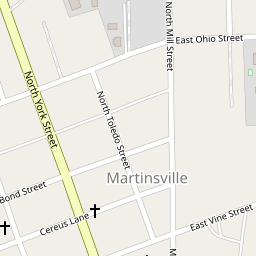
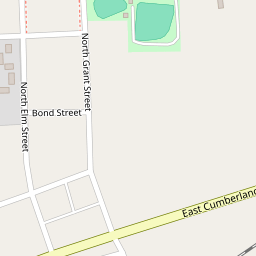
Martinsville Public Library District, 120 East Cumberland Street, Martinsville.
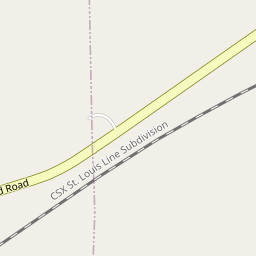
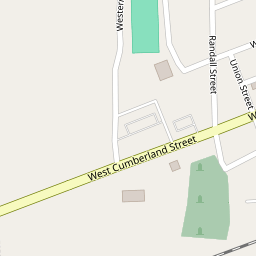
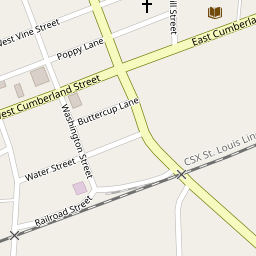
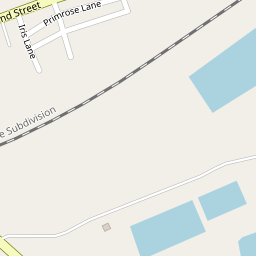
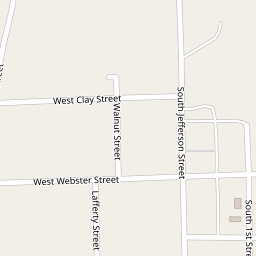
No late fees. Good at every Martinsville Public Library District branch.
New in Martinsville? The Handbook →Hours are the survey’s yearly average. Check the library’s own site for today’s hours.
For every $1 it spends, the library lends about $1.67 worth
Set what you’d borrow in a month. It starts at what the average Martinsville cardholder borrows.
Typical for a library this size: $54. Operating budget $96K.
Last year the library lent and hosted about $161K worth of books, e-books, programs and Wi-Fi on a $96K budget.
Fine-free. No late fees on books returned late.
Retail prices are typical, rounded down: a new book $17, a kids’ book $12, an e-book or e-audiobook $15, a movie rental $4, a class or program $10, a computer or Wi-Fi session $3. The average cardholder’s month = the library’s yearly loans, attendance and Wi-Fi sessions ÷ its 398 cardholders ÷ 12.
What this data can and can’t tell you
From the Public Libraries Survey, fiscal year 2024.
- Digital loans not reported. Illinois libraries often don’t report e-book loans, so borrowing here is print only.
- System-wide. Martinsville Public Library District serves 2,260 people in and around Martinsville, so the yearly numbers cover all of them, not just Martinsville.
Hours are the survey’s yearly average; libraries are compared with others serving about as many people. How TownRatings uses library figures →
Questions about the library and civic life in Martinsville
Does Martinsville have a public library?
Yes. Martinsville Public Library District, 120 East Cumberland Street, serves 2,260 people in and around Martinsville (the survey’s count) and is open about 33 hours a week, averaged over the year.
Is Martinsville Public Library District fine-free?
Yes, no late fees (the library’s 2024 survey report).
How busy is Martinsville’s library?
It logged 2.7 visits and lent 3.9 print items per resident in 2024, against a typical 3.5 visits for libraries serving under 2,500 people.
What is Martinsville’s civic life grade?
A− Martinsville is ahead of 76% of U.S. towns on civic life. The grade combines library visits per resident, community nonprofits per 1,000 residents and the share of adults 25–44 in volunteering groups. It’s a character grade, so it isn’t part of the overall grade. How it works.
Book talk
Reading, story times and the library in Martinsville.
Libraries: Institute of Museum and Library Services, Public Libraries Survey, fiscal year 2024. Each library reports its own numbers. Distances are straight-line from the town center. “What your card is worth” uses typical retail prices and is an estimate, not an official figure.