Passages that mention Everly, cut from the printed page as they were published.
History of Clay County, Iowa, from its earliest settlement to 19091909 · page 154Read the page →
Read the text
When the town of Everly was surveyed and platted in 1884 there was no well defined purpose in the minds of its projectors other than to afford the few people in the western part of the county a way station. The selection was not due either to the physical conditions prevailing or to accommodate any great number, as there were but few people living in that section at that particular time. Evidently the only purpose was to induce immigration. If this was the motive that prompted the establishment of the town, the object has been most successfully obtained. Everly is located on the southw-est quarter of section 3,
Text read by machine from the scan; it may contain errors.
When the town of Everly was surveyed and platted in 1884 there was no well-defined purpose in the minds of its projectors other than to afford the few people in the western part of the county a way station.
Text read by machine from the scan; it may contain errors.
J.D. Thompson, proprietor. Was built in 1887 and has been the leading hostelry in the town of Everly since it was opened. Its rooms are supplied with new furniture, excellent beds, and its table suited to the
Text read by machine from the scan; it may contain errors.
History of Clay County, Iowa, from its earliest settlement to 19091909 · page 157Read the page →
Read the text
Everly has a good cream market and also a splendid market for hogs, cattle and sheep. It has three elevators on the right of way of the Chicago, Alilwaukee and St. Paul railroad.
Text read by machine from the scan; it may contain errors.
Scans and text from the Internet Archive. Books published in 1930 or earlier, which are in the public domain.
Timeline
Everly, 1884 to 1924
Woven from the archive, old maps, post office records, the National Register and the people born here.
Nothing in the archives for these yearsWeddings on Main Street, storms, parades, school pictures, the old store. If it’s in your family album, it belongs here.
Founding dates: Wikidata, Wikipedia, the U.S. post office records of Blevins & Helbock (CC0) and the Census. Homes by year built: Census ACS 2020–24. National Register of Historic Places: National Park Service (list of May 22, 2026). Old photos, postcards and papers: Wikimedia Commons, the Library of Congress and other public archives, credited on each item’s page. Maps: U.S. Geological Survey historical topographic maps (via Esri) and Sanborn fire-insurance maps (Library of Congress). History text and census tables: Wikipedia (CC BY-SA 4.0). Places that used to be: USGS Geographic Names Information System (2021). How TownRatings grades history →
From Wikimedia Commons (2), the Library of Congress (3), Wikipedia, Wikidata and Wikipedia for famous people, the US Post Offices dataset (Blevins & Helbock), the USGS Geographic Names Information System and old county and town histories (Internet Archive). Archive images are copied here with their credits and licenses, shown on each photo’s page. Refreshed monthly.


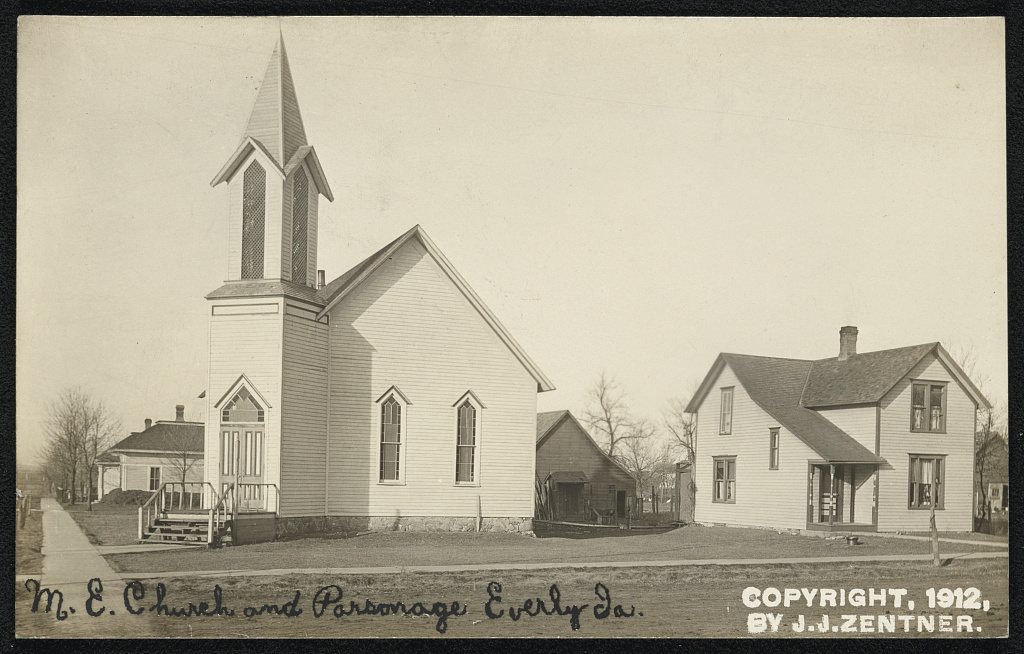


 1912
 1912
 2021
 2004