Carroll dates to 1867, and 17% of its homes were built before 1940
More historic than 61% of U.S. towns · #87 of 140 in Iowa. What drives it
5 places in town are on the National Register, among them two historic districts with 8 buildings between them. Below: 4 old photos and papers, maps from 1883 on, and the census since 1870.
Founding year: Wikidata; Wikipedia’s history section gives the same year. First post office: 1867.The full story ↓
History grade
What drives Carroll’s History grade
On its age, its old homes and the National Register, Carroll is more historic than 61% of U.S. towns, #87 of 140 in Iowa. Its National Register listings hold the grade up; its age pulls it down.
B
HistoryA character grade: shown, never part of Carroll’s overall grade.
Iowa towns list more on the Register than most of the country (a typical Iowa town has 9.1 per 10,000 residents, the U.S. 2.4), so Carroll’s 10.8 sits near the middle of its state (60% of Iowa towns have fewer) while its 11 historic buildings outnumber those of 76% of U.S. towns.
How sure. Graded on any two of the three inputs instead, the letter would range from B− to B+. The pre-1940 share is a Census survey estimate (±3.2 points). Two sources give 1867.
Founding year: Wikidata (other dates in Quick answers). Homes: Census ACS 2020–24. National Register: National Park Service, May 2026 list; each listing counted once (boundary changes and added documentation belong to their listing), and a historic district counts its contributing buildings. How TownRatings grades history →
What stands out about Carroll’s past
Read from the archive, the National Register and the record. The page puts what stands out first.
Fire insurance maps drew every building, what it was made of and what it was used for, so insurers could price the risk of fire. Pick a year, then a sheet.
1883Sheet 1 of 1
Edition
Sheets
BrickWoodStone
Sanborn Map Company, via the Library of Congress. Editions published in 1930 or earlier, which are in the public domain.
On the National Register
5 historic places in Carroll
The country’s official list of buildings and places worth saving.
Carroll was laid out in 1867. It took its name from Carroll County, which was named in honor of Charles Carroll of Carrollton, Maryland. He was the only Roman Catholic to sign the Declaration of Independence.
In 1869, the centrally located railroad town of Carroll City was selected as the county seat, replacing, with some protest, Carrollton. Later a $4,000 courthouse was constructed on the town square. This building was used until it burned to the ground in 1886. The vaults and records were undamaged, however, and moved to temporary housing in the Joyce Building and Drees' Music Hall.
Passages that mention Carroll, cut from the printed page as they were published.
History of Carroll County, Iowa, a record of settlement, organization, progress and achievement1912 · page 169Read the page →
Read the text
arriving at his majority fell heir to a farm which his father acquired and devoted his attention for three years to agriculture and stock-raising. He then engaged in the mercantile business at Solon, Johnson county, for four years, after which he came to Carroll county and bought two hundred and forty acres in Carroll (now Maple River) township, four miles west of Carroll, and lived there five years. In 1881 he moved to Carroll and in 1902 built a commodious and beautiful home. Almost ever since he came
Text read by machine from the scan; it may contain errors.
History of Carroll County, Iowa, a record of settlement, organization, progress and achievement1912 · page 62Read the page →
Read the text
WilHam A. Arts was eighteen months old when brought by his parents to Carroll county, while in 1872 the family home was established in the town of Carroll, where he grew to manhood and where he has resided continuously since. He supplemented his preliminary education, obtained in the parochial and public schools, by four years' study ai Notre Dame, Indiana, where he attended college during the years 1884, 1885, 1886 and 1887. After returning to Carroll he worked for one year as bookkeeper for the firm of Arts & Manemann, general merchants. On the ist of January, 1888, he ac-
Text read by machine from the scan; it may contain errors.
Scans and text from the Internet Archive. Books published in 1930 or earlier, which are in the public domain.
Timeline
Carroll, 1867 to 1983
Woven from the archive, old maps, post office records, the National Register and the people born here.
Nothing in the archives for these yearsWeddings on Main Street, storms, parades, school pictures, the old store. If it’s in your family album, it belongs here.
Lost post offices, old corners and burying grounds
Carroll’s post office has been open since 1883. Another post office, Carroll City, opened and closed inside today’s town.
Carroll City
1867–1883
Carroll
1883–today
18601940today
Hamlets and corners on the map
Carroll Community Estates
1cemetery inside Carroll
Carroll City
US Post Offices dataset (Blevins & Helbock, CC0). Places and cemeteries from the USGS Geographic Names Information System (2021).
Questions about Carroll’s history
What year was Carroll founded?
In 1867, according to Wikidata and Wikipedia’s history of the town. Carroll’s post office opened in 1867, and the census of 1870 counted 384 people here.
How does Carroll rank for history?
Carroll is more historic than 61% of U.S. towns, #87 of 140 in Iowa. The History grade combines the town’s founding era, the share of homes built before 1940 and its National Register listings. It’s a character grade, so it isn’t part of the overall grade. How it works.
What is on the National Register in Carroll?
5 listings: 3 buildings, among them the Carnegie Library Building (listed 1976, the first), and 2 historic districts, the Carroll City-Mount Olivet Cemetery and the Graham Park Historic District, with 8 contributing buildings. 11 historic buildings in all.
How old are the homes in Carroll?
17% of Carroll’s homes were built before 1940 (Census estimate, ±3.2 points), against a typical 22% for an Iowa town; the median home was built in 1971.
Founding dates: Wikidata, Wikipedia, the U.S. post office records of Blevins & Helbock (CC0) and the Census. Homes by year built: Census ACS 2020–24. National Register of Historic Places: National Park Service (list of May 22, 2026). Old photos, postcards and papers: Wikimedia Commons, the Library of Congress and other public archives, credited on each item’s page. Maps: U.S. Geological Survey historical topographic maps (via Esri) and Sanborn fire-insurance maps (Library of Congress). History text and census tables: Wikipedia (CC BY-SA 4.0). Places that used to be: USGS Geographic Names Information System (2021).
From Wikimedia Commons (4), the Library of Congress (1), Wikidata (1), the National Register of Historic Places (5), Wikipedia, Wikidata and Wikipedia for famous people, U.S. Geological Survey historical maps, U.S. Census counts (via Wikipedia), the US Post Offices dataset (Blevins & Helbock), the USGS Geographic Names Information System, Sanborn fire insurance maps (Library of Congress) and old county and town histories (Internet Archive). Archive images are copied here with their credits and licenses, shown on each photo’s page. Refreshed monthly.

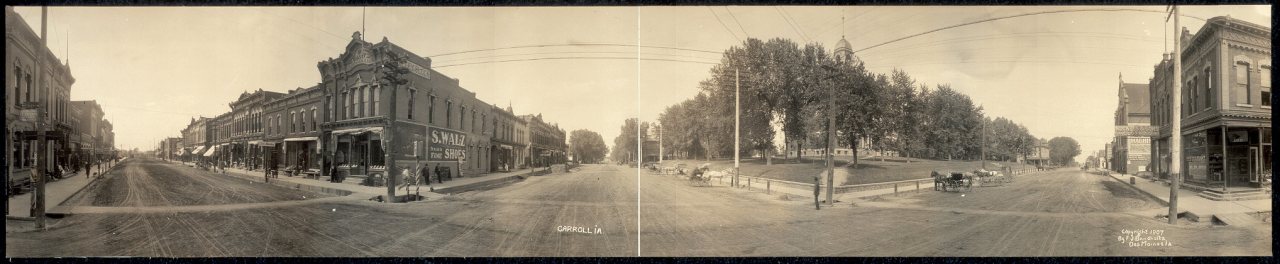
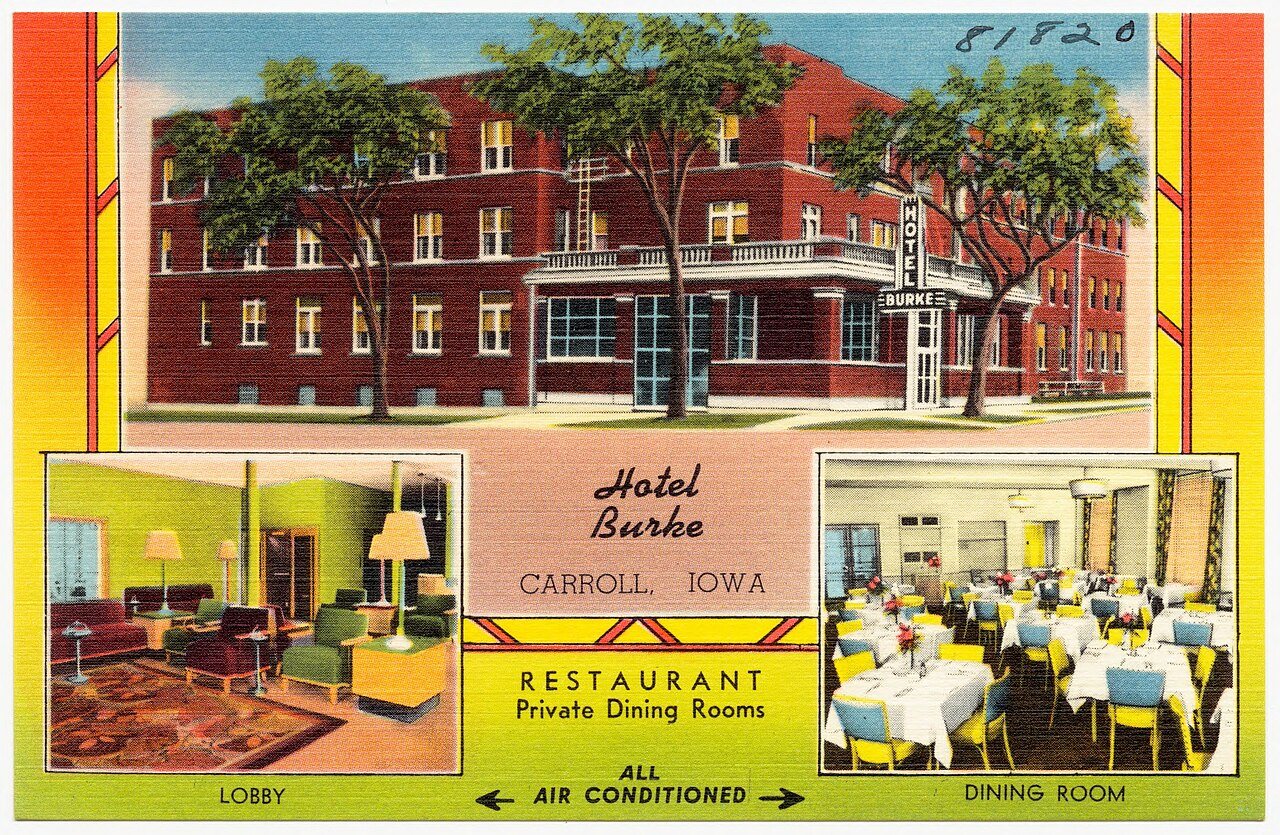

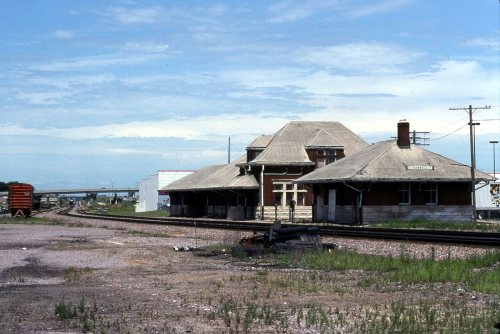


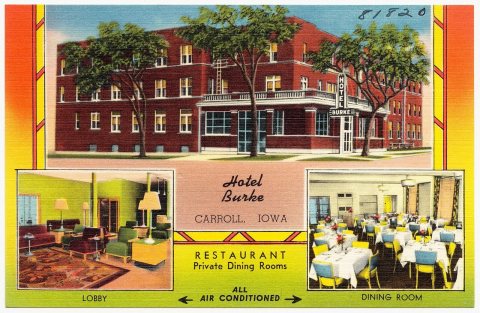


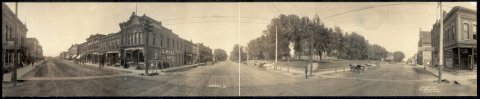 1907
 2004


