165 years in pictures
Census counts: 137 in 1880, 5,702 in 2020. The archive holds 18 old photos and papers going back to 2005 and 3 maps from 1956 on.
1 place on the National Register of Historic Places.
- 1861Byron is settled
Each edition grades its towns against each other only.

Byron is a solid, middle-of-the-road choice. It grades C overall, ranked 126th of 258 in Georgia, with no subject far below average. Its best mark is health: CDC estimates put its residents' health ahead of 55% of the country. Its lowest everyday mark is in schools: its schools rank behind 75% of the state's. A typical home there costs about $267K, 3.4 years of the Warner Robins metro’s $79K median household income. On hazard risk, just 15 of Georgia’s 374 towns do better. Byron's civic life (library use, community groups, volunteering) trails 93% of U.S. towns. Most errands need a car: it is less walkable than 79% of U.S. towns.
Where Byron beats most towns.
4,512 counted in 2010 and 5,702 in 2020; an estimated 6,567 in 2025.
Growth hasn’t slowed: 15.5% since 2020, after 26.4% in the decade before.
U.S. Census 2010 & 2020 counts · Census Bureau estimate, July 1, 2025
Each subject compared with towns across the country (schools within Georgia), ordered by how far Byron is from typical.
How TownRatings grades towns →
Census counts: 137 in 1880, 5,702 in 2020. The archive holds 18 old photos and papers going back to 2005 and 3 maps from 1956 on.
1 place on the National Register of Historic Places.
Who provides power, water and the rest in Byron, and how to reach them.
EPA SDWIS (Oct 9, 2026) · HIFLD + EIA-861 2025 · Census 2020 ZCTAs · NCES 2024–25 · registration: vote.gov, updated Nov 18, 2024.
Ordered by what stands out in Byron.
Byron has seen reported crime fall by about half and has commutes shorter than most of Georgia.
At 4 of 100, Byron’s FEMA risk score is where Georgia’s towns sit at 29 of 100 and U.S. towns at 44 of 100. One flood insurance claim has been paid in Byron since 2016.
FEMA flood insurance claims · FEMA National Risk Index · OpenFEMA
Its public schools are run by the Peach County school district. One of its 2 schools is below, with why it’s listed.
| School | Level | Students | Letter |
|---|---|---|---|
| Byron Elementary SchoolLargest public elementary schoolGrades PK–5 | Grades PK–5 | 706 | C+ |
NCES · EDFacts · graded within GA on state tests and graduation
For Byron, that is near the Georgia town median (2.3%) and below the median of U.S. towns (4.3%). 2.2 miles of trail in 2 parks and preserves. The biggest place to walk is North Peach Park, 65 acres with 1.9 miles of trail.
| Byron | Georgia towns | U.S. towns | |
|---|---|---|---|
| Conserved land | 0.3% | 2.3% | 4.3% |
| Miles of trail per square mile | 0.3 miles per square mile | 0.3 | 0.4 |
| Biggest places to walk | Trails | Acres |
|---|---|---|
| 1. North Peach Park | 1.9 mi | 65 |
| 2. Jailhouse Park | — | 1 |
Trails & parks © OpenStreetMap contributors · Conserved land: USGS PAD-US
Byron has mild winters and warm summers, with plenty of rain. The July high in Byron is 92°F.
NOAA U.S. Climate Normals, 1991–2020
92% of households own their home in Byron. The typical Byron home is worth about $267,000, up 2.9% in a year, 19% below the Georgia typical home.
Census ACS, 2020–24 · Zillow Home Value Index · Redfin Data Center
The average commute for its 2,203 working residents takes 22.3 minutes, against 28.3 across Georgia. Jobs based here grew from 1,764 in 2013 to 2,962.
Most working residents leave Byron for work: only 8% work in town. Jobs based in Byron grew to 2,962 in 2023, 1,198 more than in 2013. Byron’s average trip to work is 22 minutes.
| Byron | Georgia towns | U.S. towns | |
|---|---|---|---|
| Average trip to work | 22 minutes | 26 minutes | 25 minutes |
| Median household income | $86,000 | $63,000 | $80,000 |
| Below the poverty line | 10% | 15% | 9.6% |
Census LEHD 2023 · ACS
Adults 18 to 34 are 29% of residents (23% statewide). Byron has grown 15% since 2020, to 6,567 residents in the Census Bureau’s 2025 estimate. 12% of Byron residents are 65 or older.
| Byron | Georgia towns | U.S. towns | |
|---|---|---|---|
| Median age | 34.4 years | 36.6 years | 40.5 years |
| Aged 65 or older | 12% | 15% | 18% |
| Bachelor’s degree or more, 25+ | 31% | 25% | 29% |
| Under 18 | 22% | 24% | 22% |
46% women, 54% men
About 119 men for every 100 women (the survey’s margin: ±3.4 points). Across Georgia, 51.2% of residents are women. Among residents 18 to 24, 91% are men (GA 51%).
| Byron | GA | U.S. | |
|---|---|---|---|
| Under 10 | 14.9% | 12.1% | 11.6% |
| 10 to 17 | 7.1% | 11.1% | 10.3% |
| 18 to 24 | 11.4% | 9.5% | 9.1% |
| 25 to 34 | 17.5% | 13.8% | 13.7% |
| 35 to 44 | 9.5% | 13.4% | 13.2% |
| 45 to 54 | 12.1% | 12.8% | 12.2% |
| 55 to 64 | 15.4% | 12.3% | 12.7% |
| 65 to 74 | 7.7% | 9.1% | 10.2% |
| 75 and older | 4.5% | 5.8% | 7% |
| No diploma | 2.7% | 10.8% | 10.4% |
| High school | 20.4% | 26.6% | 26% |
| Some college | 19% | 19.2% | 19.1% |
| Associate’s | 27.1% | 8.4% | 8.8% |
| Bachelor’s | 11.6% | 21.1% | 21.6% |
| Graduate | 19.3% | 13.9% | 14.1% |
Census population estimates, 2025 · U.S. Census Bureau · ACS 2020-2024 5-year estimates
Byron beats the Georgia average on 4 of 32 CDC measures and trails it on 0.
| Byron | Georgia towns | U.S. towns | |
|---|---|---|---|
| Feel lonely (CDC PLACES) | 35% | 39% | 33% |
| No health insurance, 18–64 (CDC PLACES) | 10% | 14% | 8.1% |
| Fair or poor health (CDC PLACES) | 18% | 23% | 19% |
| Food insecurity (CDC PLACES) | 15% | 22% | 14% |
| What stands out | Byron | GA |
|---|---|---|
| Fewer uninsured adults | 10.4% | 13.1% |
| Fewer adults facing food insecurity | 15% | 17.7% |
CDC PLACES 2025 · modeled estimates for adults · CMS · HRSA
Reported crimes fell from 118 to 60 over the last three FBI years, a drop beyond ordinary year-to-year swings.
Within Georgia, it does better than 70% of towns.
| Byron | Georgia towns | U.S. towns | |
|---|---|---|---|
| Property crimes per 1,000 (2025) | 7.6 per 1,000 residents | 14.7 | 9.9 |
| Violent crimes per 1,000 (2025) | 1.7 per 1,000 residents | 2.2 | 1.6 |
FBI crime data, 2025 · crimes reported to police
Museums, parks, gardens and other places to visit around Byron. Close and well known come first.
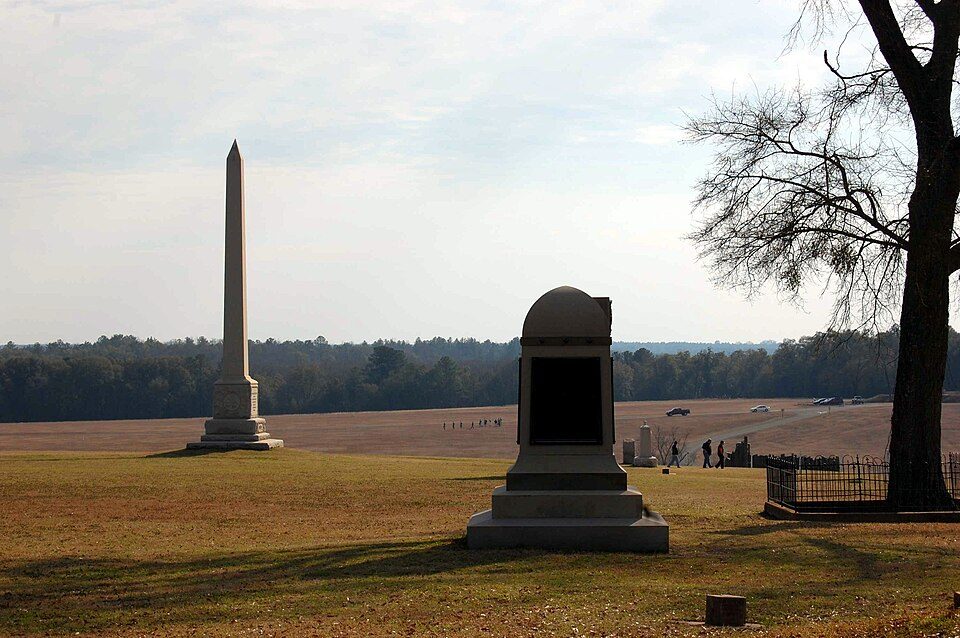
Big draw38 mi National Historic SiteAndersonville National Historic Site62K visitors a year
14 mi National Historical ParkOcmulgee Mounds National Historical Park112K visitors a year
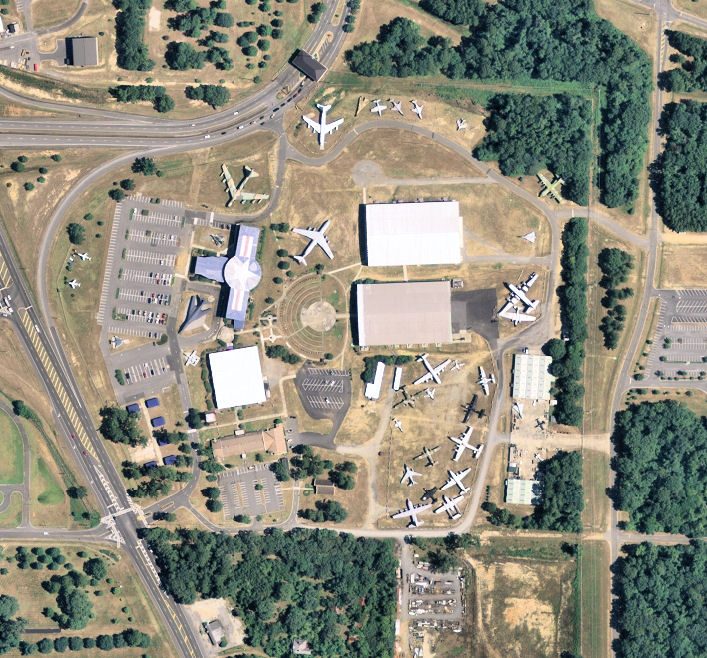
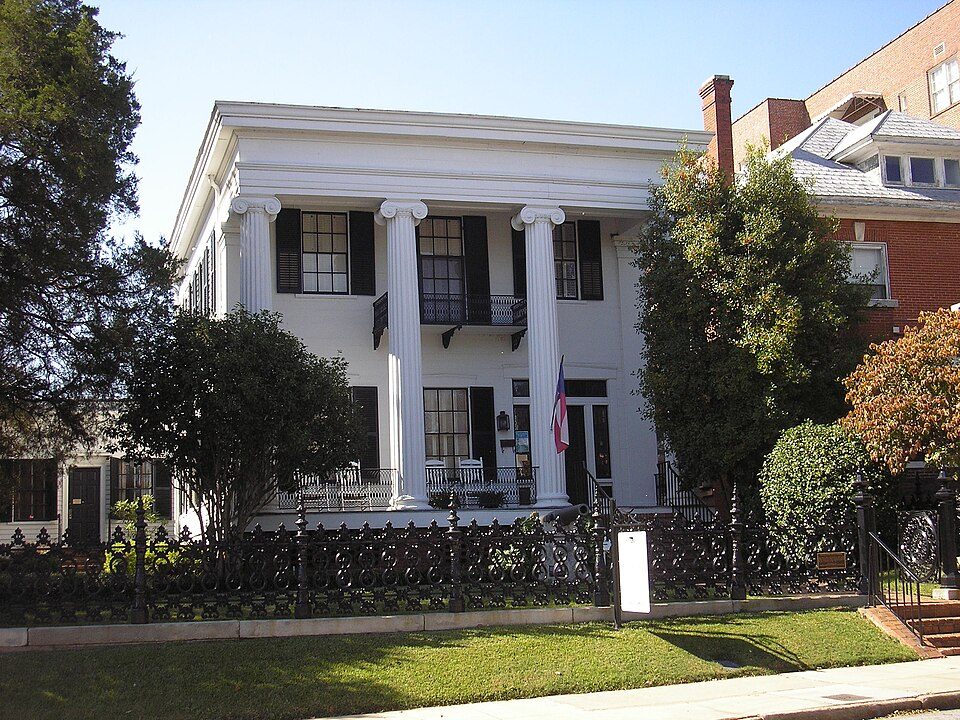
10 mi MuseumMuseum of Aviation15 mi MuseumAllman Brothers and Band Museum15 mi MuseumTubman Museum
15 mi MuseumCannonball HouseAndersonville National Historic Site: Jud McCranie at en.wikipedia, CC BY-SA 3.0 · Ocmulgee Mounds National Historical Park: Bubba73 (talk), Jud McCranie, CC BY-SA 3.0 · Museum of Aviation: United States Geographical Survey, Public domain · Cannonball House: Blastoids, CC BY-SA 3.0
4 within 15 miles of the center of Byron
About 11 of every 100 Byron residents are enrolled in college, against 6 across Georgia.
City in Georgia, United States
Byron is a city located primarily in Peach County, Georgia, United States. A small portion of the city also extends into parts of Houston and Crawford counties. As of the 2020 census, Byron had a population of 5,702. The city is in the Warner Robins metropolitan statistical area. Byron was home to the Middle Georgia Raceway, an auto racetrack that hosted NASCAR races and the filming of TV commercials and a feature movie. From July 3–5, 1970, in a field next to the raceway, the Atlanta International Pop Festival was held, which was the largest gathering in Georgia history until the 1996 Olympics in Atlanta. On September 15, 2012, an official Georgia Historical Society marker was placed near …
From Wikipedia, licensed CC BY-SA 4.0 · facts via Wikidata (CC0)
One town shares a border with Byron.
| Town | GA rank | Overall | Cost | Safety | Schools | Health |
|---|---|---|---|---|---|---|
| Byron | #126 | C | B− | B− | C | B |
| Warner Robins | #141 | C− | B | D | B+ | C |
Short answers, built from the data on this page.
Byron grades C overall, better than 29% of U.S. towns and #126 of 258 in Georgia. It grades B for health, B− for safety and C for schools. Walkability is its weak spot, with a C−.
Within Georgia, it does better than 70% of towns.
Cost of living, which also weighs rents, property taxes and how many households pay 30% or more of their income for housing, grades B−.