 Top
Classified heritage building (Québec) · 1888Grange Adolphe-Gagnon129 rue du ParcPhoto: Jean Gagnon · CC BY-SA 3.0 · Commons file
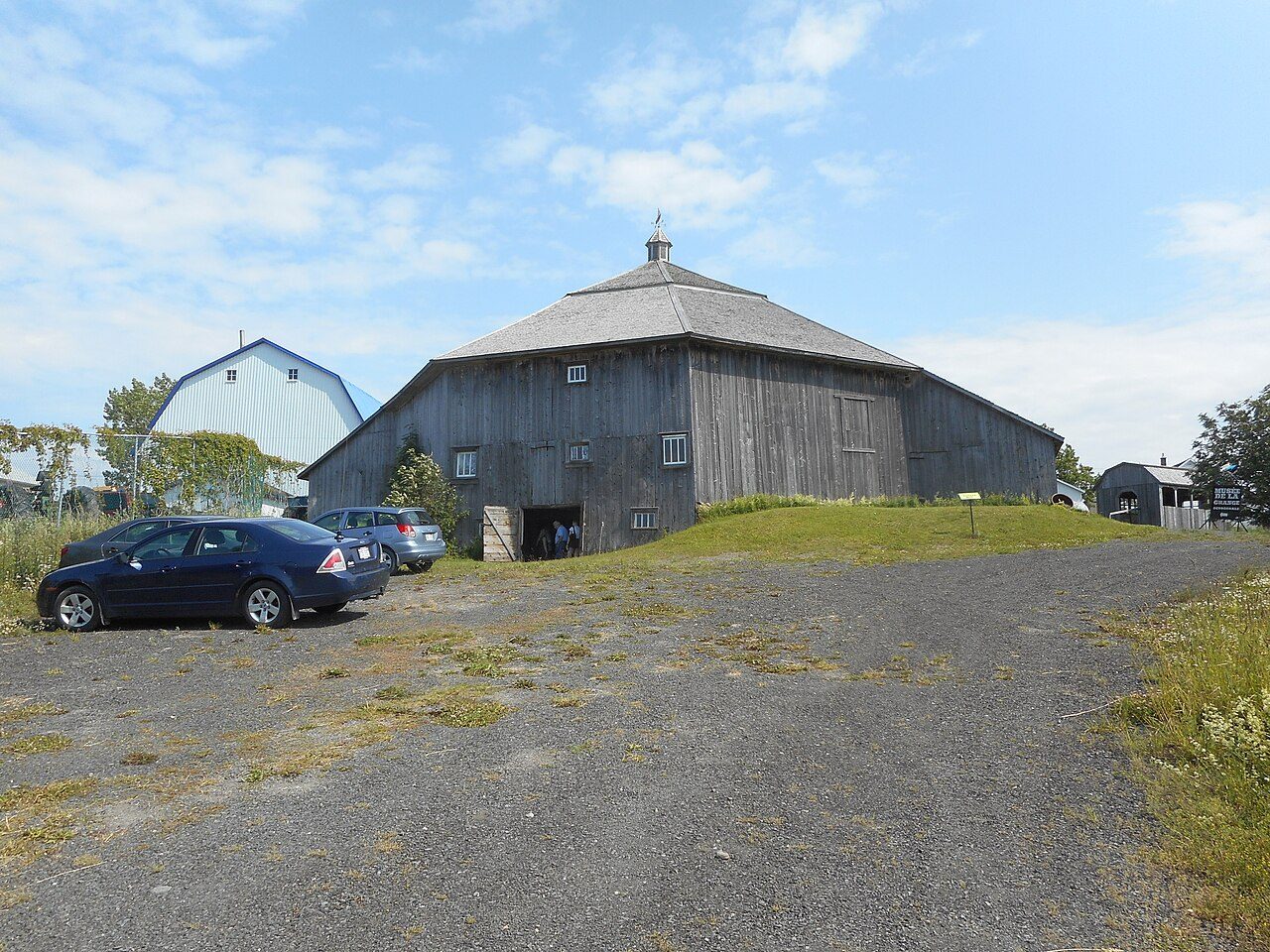 Grange Adolphe-Gagnon · Photo: Jean Gagnon · CC BY-SA 3.0
3historic places on the registers
History of Saint-Fabien · Canada’s heritage registers
Saint-Fabien keeps its older homes: 43% from before 1961
Saint-Fabien’s share is 2.4 times the typical 18%. All told the heritage lists hold 3 historic places within the town, and one sits in the top tier. On the list: 2 municipal citations. Grange Adolphe-Gagnon, begun in 1888, is the oldest by its record.
Historic places
3
Highest designations
1
National Historic Sites, classified federal buildings and Québec’s classements
Provincial and local listings
2
municipal citations on Québec’s register
Oldest building
1888
the first construction date on its record
Homes built before 1961
43%
typical town: 18%
In pictures
3 photographs of Saint-Fabien’s designated places
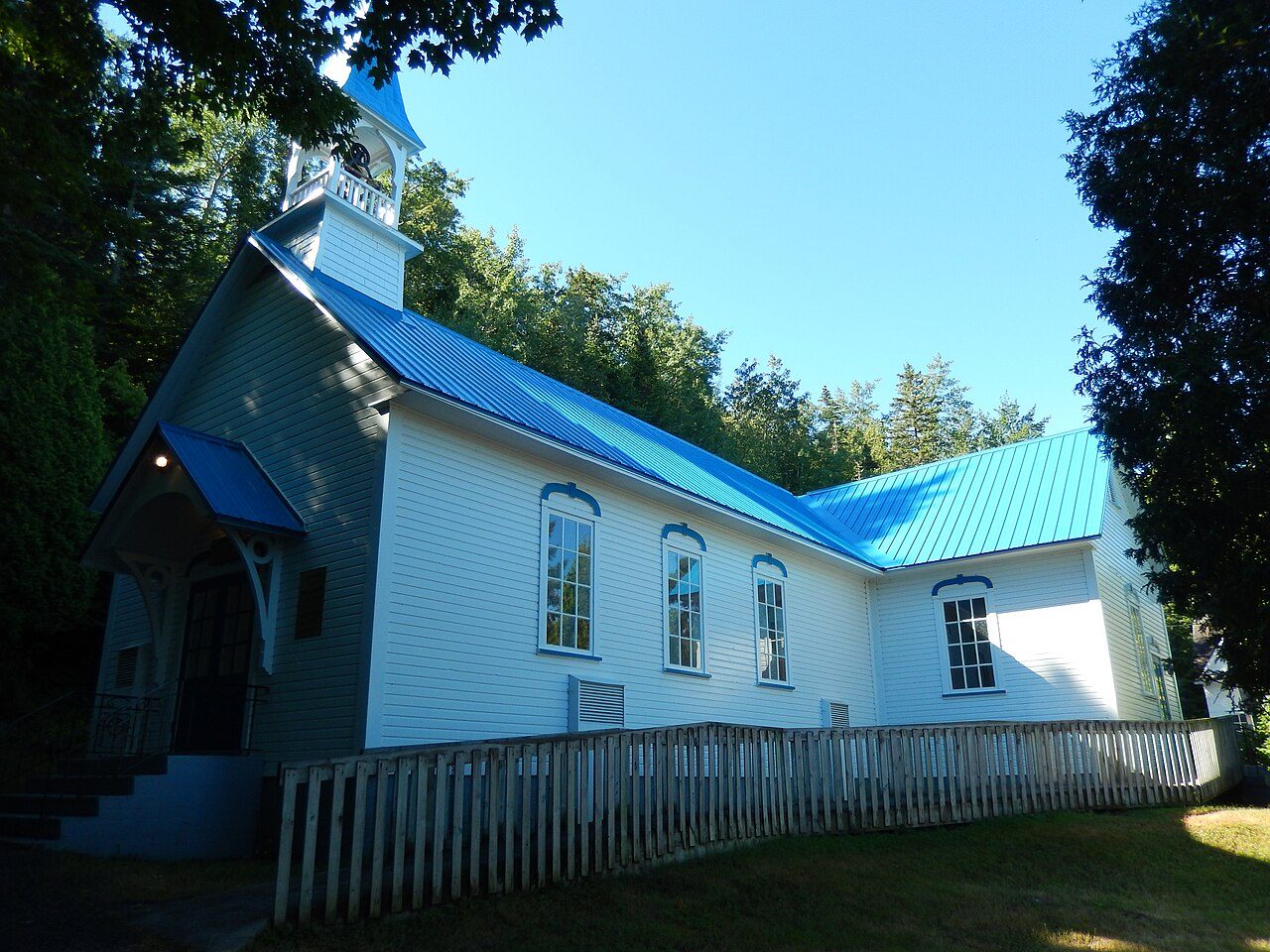
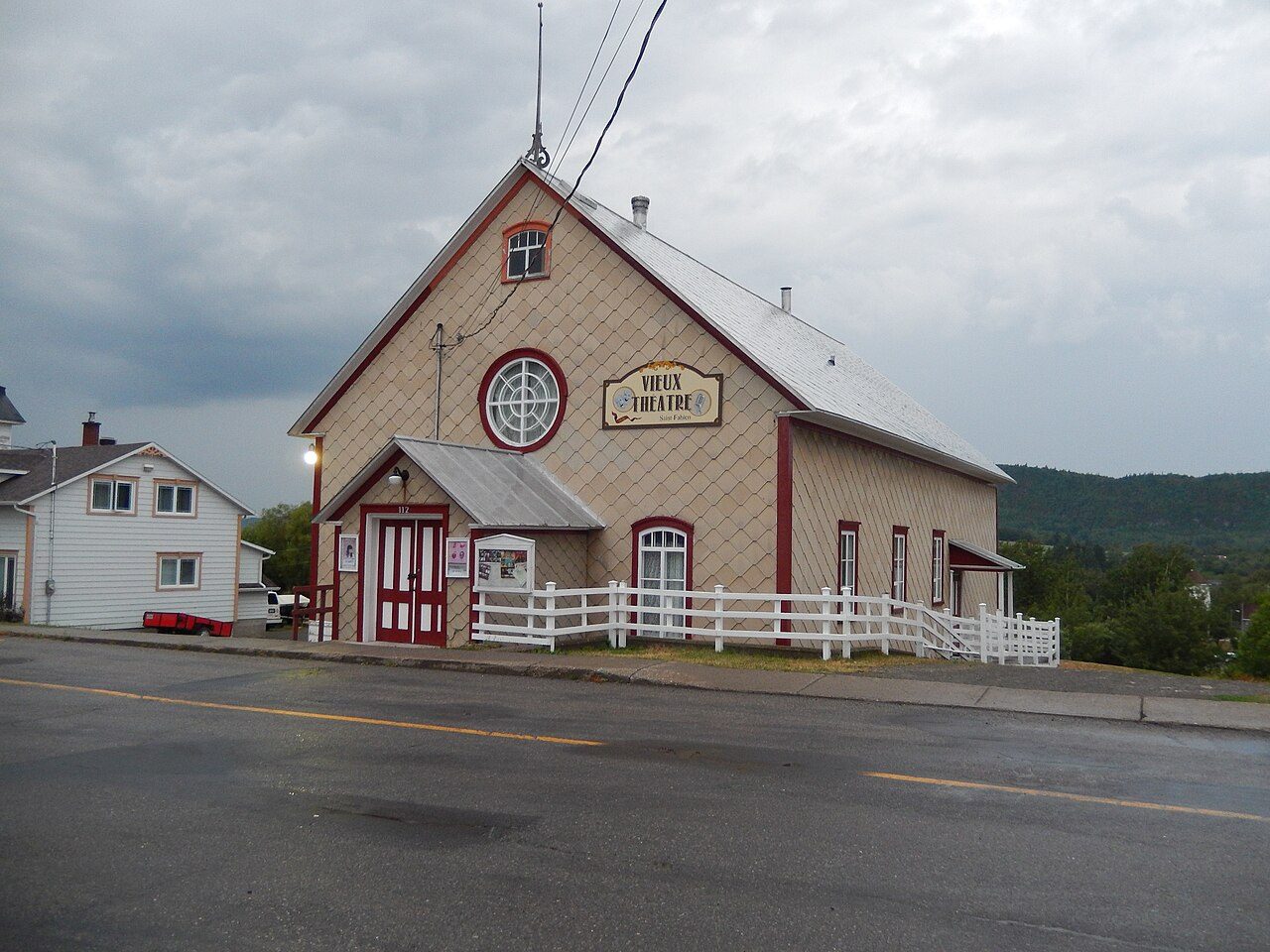
Each of Saint-Fabien’s designated places has a photo. In front: Grange Adolphe-Gagnon and Chapelle de Notre-Dame-des-Murailles.
Photos from Wikimedia Commons, each credited to its photographer with its licence; names open the place’s page. Tap a photo to step through them full screen.
The map
Where Saint-Fabien’s history is
Every place on the registers inside the town, by its designation.
Highest designationsProvincial and local listings
Tap any dot to open that place’s own page; hovering shows its name.
The 3, by tier
1 Highest designations2 Provincial and local listings
The federal directory and the Répertoire du patrimoine culturel du Québec are both open, so every federal, provincial and municipal designation here has its point.
Points from Wikidata (Parks Canada’s files carry none) and from Québec’s register, as mapped there.
Highest designations
One place in Saint-Fabien with the highest designation
National Historic Sites and Classified Federal Heritage Buildings, Canada’s highest federal recognition. Each one opens its own page.
Provincial and local listings
2 more places Saint-Fabien or its province protects
Citations the municipality has made, registered with Québec’s ministry of culture. They date from 1928 (Chapelle de Notre-Dame-des-Murailles) to 1930. Each one opens its own page.
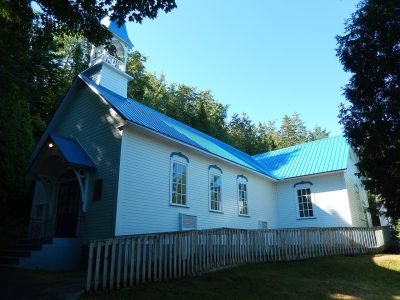 Local
Municipal citation (Québec) · 1928Chapelle de Notre-Dame-des-Murailles38 chemin de la Mer OuestPhoto: Fralambert · CC BY-SA 4.0 · Commons file
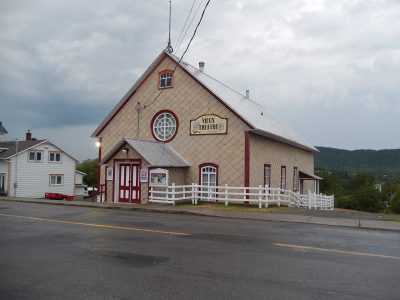 Local
Municipal citation (Québec) · 1930Vieux Théâtre de Saint-Fabien112 1e RuePhoto: Fralambert · CC BY-SA 4.0 · Commons file
Homes by age
Saint-Fabien added few homes from 2016 to 2021: 1.2%, where most towns have 4.1%
Few of Saint-Fabien’s homes date from 2001 to 2015: 10%, the norm 15%. Only 17% of Saint-Fabien’s homes were built from 1981 to 2000, less than the typical town’s 23%. Over half of the homes in Saint-Fabien were already standing by 1981.
43%
Before 1961
29%
1961–80
17%
1981–2000
10%
2001–15
1.2%
2016–21
Saint-FabienTypical town
2021 Census, private dwellings by period of construction (Statistics Canada); the typical town is the middle Canadian town of 2,500 or more.
Born here
1857 to 1900: the people Saint-Fabien gave its past
Fame, by Wikipedia: Émmanuel d'Anjou first, in 4 languages. Wikidata and Wikipedia agree on 5 births here before 1914. Josaphat Jean reached 87, the longest life here, ending in 1972. 4 of the 5 were born in the decades after Confederation.
Joseph Michaud
Émmanuel d'Anjou
Josaphat Jean
Pierre Gagnon
Jovette Bernier
18501875190019251950
ÉD
Émmanuel d'Anjou1884–1966 · Canadian politician
JB
Jovette Bernier1900–1981 · Canadian journalist, writer, and poet
JJ
Josaphat Jean1885–1972 · Canadian Catholic priest
JM
Joseph Michaud1857–1913 · Canadian politician
PG
Pierre Gagnon1887–1973 · Canadian politician
Everyone born in Saint-Fabien → Born before 1914 (the page’s periods: Confederation to the First World War). Birthplaces from Wikidata, each checked against the person’s Wikipedia article.
In brief
Saint-Fabien in brief
Counted by age, 43% of Saint-Fabien’s homes predate 1961, against 18% in the typical town. All told, the registers hold 3 historic places, one with the highest designation, Grange Adolphe-Gagnon among them. Its people of the past include Émmanuel d'Anjou (1884), Jovette Bernier (1900) and Josaphat Jean (1885). For the rest, the designations ran from 2006 to 2008.
How to read these numbers
What this data can and can’t tell you
- The grade. History isn’t one of Canada’s graded pillars, so this page describes and compares without a letter.
- The federal register. Federal places come from Parks Canada’s directory, which counts National Historic Sites, federal heritage buildings, stations and lighthouses; their statements are the register’s own.
- Québec’s register. Québec is the one province whose register is open: classements, declarations and municipal citations, described by the ministry in French.
- Protection. Québec’s classements and citations carry legal protection: work on a classified building needs the minister’s authorization, on a cited one the municipality’s. Federal designations commemorate.
- The tiers. National Historic Sites and the most protected buildings form the top tier; recognized federal buildings, stations and lighthouses the second; provincial and municipal listings the third.
- People and events. Persons of national historic significance come with no location; a town gets one only by birthplace (name and both life years agreeing) or by one of its own places that bears the name and whose record tells the story. Events, which can’t be tied, are left out.
Questions about Saint-Fabien’s history
How old are the homes in Saint-Fabien?
43% of its homes were built before 1961, against 18% in the typical Canadian town.
Which places in Saint-Fabien have the highest designation?
Grange Adolphe-Gagnon.
What is the oldest building in Saint-Fabien?
Grange Adolphe-Gagnon, a Classified heritage building (Québec), begun in 1888.
Contains information licensed under the Open Government Licence – Canada (Parks Canada). Québec register data: Ministère de la Culture et des Communications du Québec, CC BY 4.0.
Sources: Parks Canada, Directory of Federal Heritage Designations · Canadian Register of Historic Places (federal extract) · Répertoire du patrimoine culturel du Québec (MCC, Données Québec) · Wikidata (CC0) for map points, other names and articles · Statistics Canada, 2021 Census (homes by period of construction). Under the Statistics Canada Open Licence.
Adapted from Statistics Canada (Census of Population 2021, population estimates 2025, 2021 census boundaries) under the Statistics Canada Open Licence; this does not constitute an endorsement by Statistics Canada. Neighbourhood names in some cities © OpenStreetMap contributors (ODbL).