L'Isle-Verte Court House · Photo: Fralambert · CC BY-SA 4.0
7historic places on the registers
History of L'Isle-Verte · Canada’s heritage registers
In L'Isle-Verte, 60% of homes go back before 1961
L'Isle-Verte has 3.4 times what the typical town has (18%). Inside the town the registers count 7 historic places; 4 are top designations. Its oldest building on the record is Moulin du Petit-Sault, from 1823. The record has 2 municipal citations and a Recognized Federal Heritage Building.
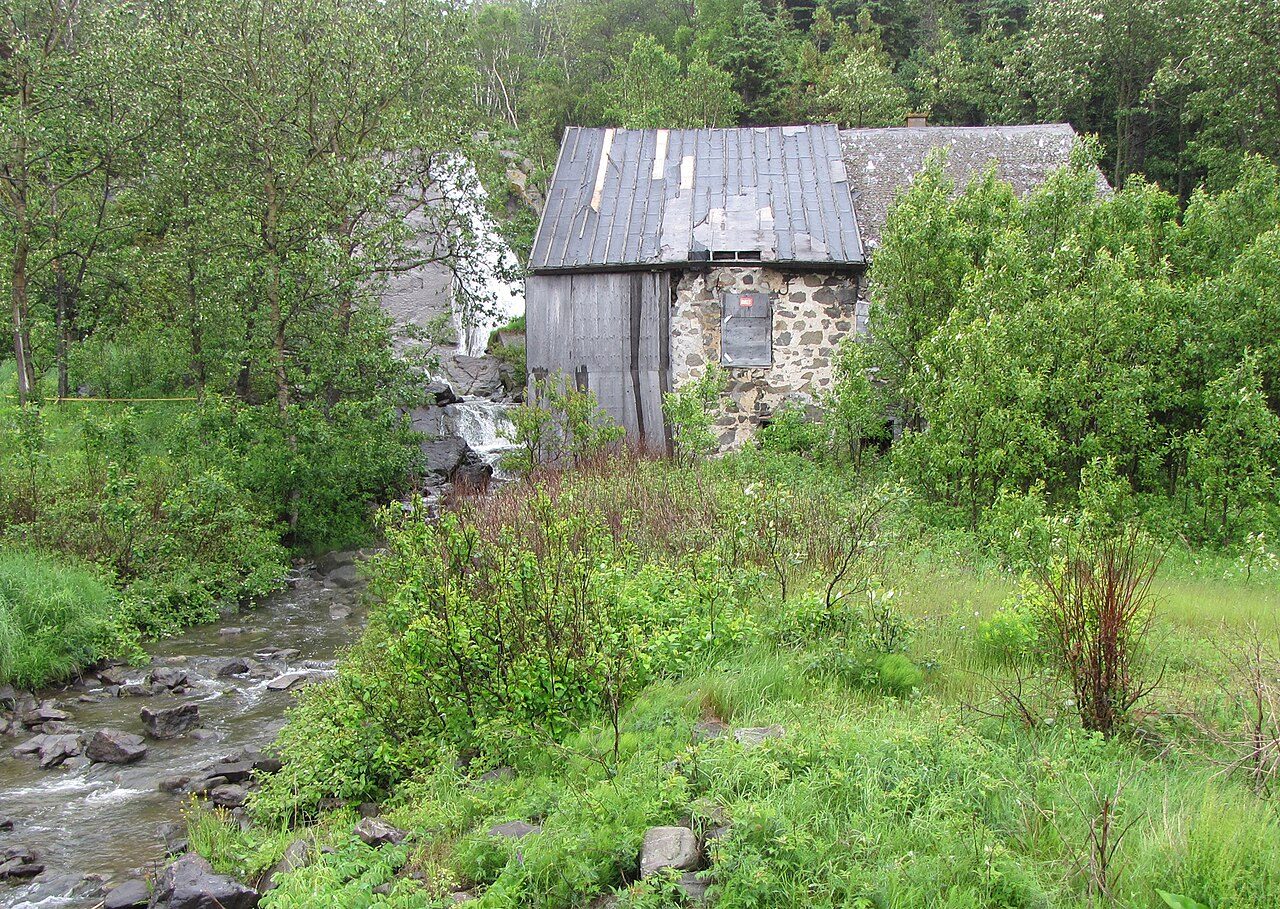
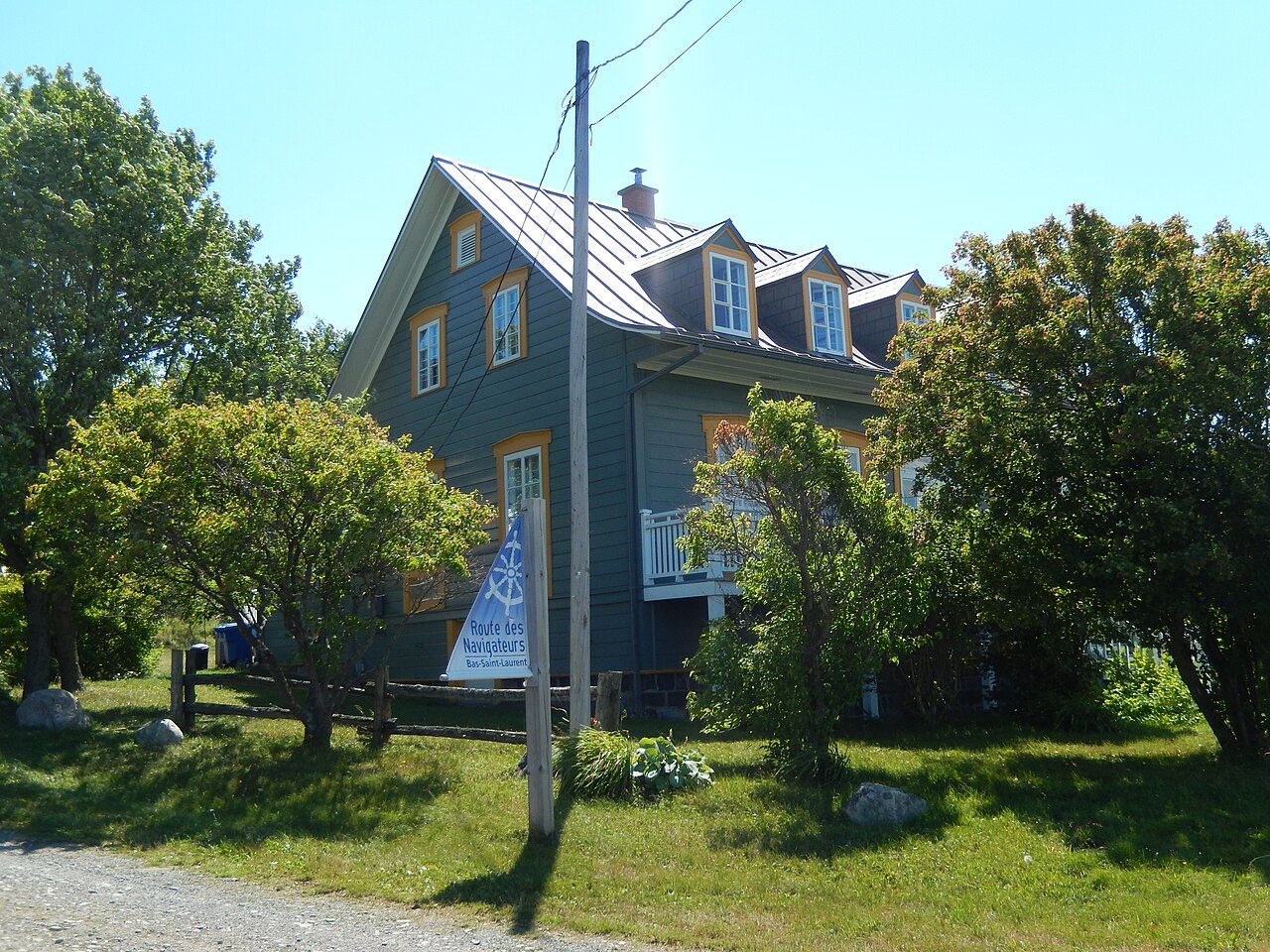
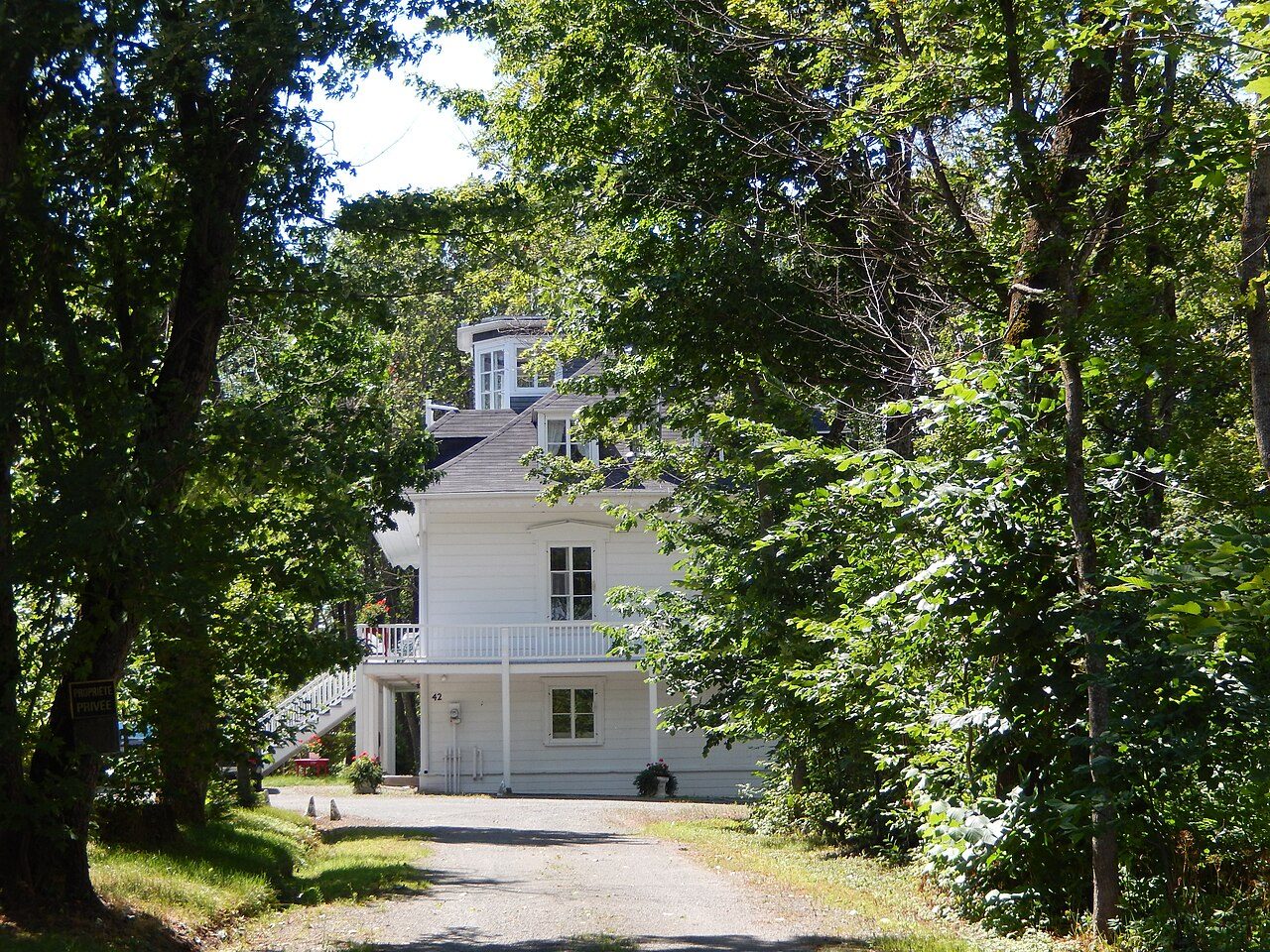
L'Isle-Verte’s 4 highest designations, each in a photo
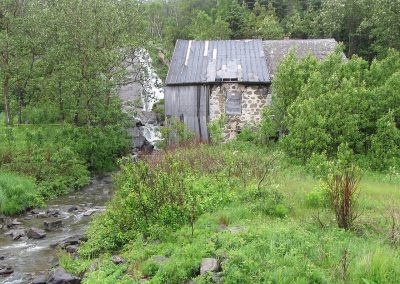
Photos show every place L'Isle-Verte’s registers name. You can start with L'Isle-Verte Court House and Moulin du Petit-Sault. They come from 4 photographers.
Photos from Wikimedia Commons, each credited to its photographer with its licence; names open the place’s page. Tap a photo to step through them full screen.
Through time
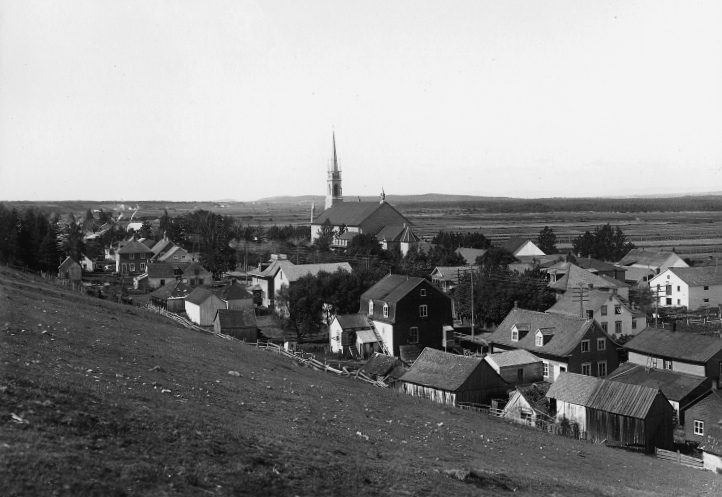
Pictures of L'Isle-Verte from 1914 to 1925
One old photograph of the town and the oldest view of one of its historic places, in date order. Each dot on the line is a picture; tap one to open it full screen.
1890190019101920193019401950Confederation to 1900Boom yearsThe wars and betweenAfter the war
Public domain or CC0, made before 1950, from Wikimedia Commons; old views of places can be drawings, prints or maps of their time. Each credit opens the image’s page.
How it began
L'Isle-Verte on record since 2000
A reorganization in 2000 folded in L'Isle-Verte and Saint-Jean-Baptiste-de-l'Isle-Verte. On the open record, L'Isle-Verte as a municipality goes back to February 9, 2000, though that may be a charter rather than a first settlement.
Every place on the registers inside the town, by its designation.
Highest designationsOther federal designationsProvincial and local listings400 m from La Décollation-de-Saint-Jean-Baptiste Church
3 of 4within 400 m of La Décollation-de-Saint-Jean-Baptiste Church, the heart of the town’s history
Each dot is a place: point at it for the name, tap it for its page.
The 7, by tier
4 Highest designations1 Other federal designations2 Provincial and local listings
The federal directory and the Répertoire du patrimoine culturel du Québec are both open, so every federal, provincial and municipal designation here has its point.
Points from Wikidata (Parks Canada’s files carry none) and from Québec’s register, as mapped there.
Highest designations
4 places in L'Isle-Verte with the highest designation
Moulin du Petit-Sault is the earliest, from 1823; the latest dates from 1859. By designation: 2 National Historic Sites and 2 places classified by Québec. National Historic Sites and Classified Federal Heritage Buildings, Canada’s highest federal recognition. Each one opens its own page.
The list in L'Isle-Verte starts with houses, at 43%
The top of the list holds Louis Bertrand House and L'Isle-Verte Court House. Second on the list: churches and religious buildings, 2 of them. All told, 4 kinds of place appear.
Houses3
Churches and religious buildings2
Public buildings1
Mills, shops and works1
Each place sits in one group, from its name first, then the uses its register lists.
Provincial and local listings
On provincial and local lists in L'Isle-Verte: 2 places
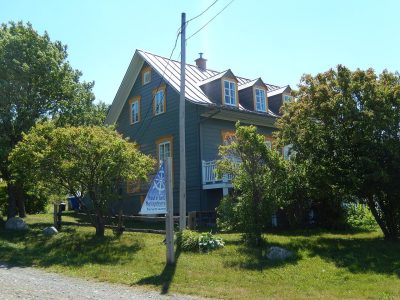
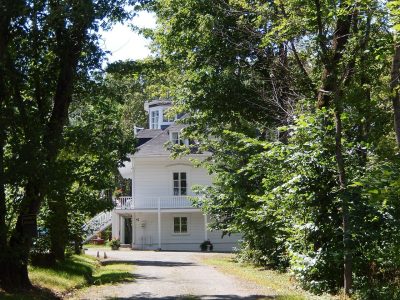
Start with Site de la maison Narcisse-Bertrand and Îlot religieux de L’Isle-Verte. Citations the municipality has made, registered with Québec’s ministry of culture. Their designations span 2007 to 2008. Each one opens its own page.
L'Isle-Verte added few homes from 2016 to 2021: 2.3%, where most towns have 4.1%
Count back from today and half of L'Isle-Verte’s homes are older than 1961. Homes built from 1981 to 2000 make up just 7.8% of L'Isle-Verte’s, against 23% in the typical town. Only 7% of L'Isle-Verte’s homes were built from 2001 to 2015, less than the typical town’s 15%.
60%
Before 1961
24%
1961–80
7.8%
1981–2000
7%
2001–15
2.3%
2016–21
L'Isle-VerteTypical town
2021 Census, private dwellings by period of construction (Statistics Canada); the typical town is the middle Canadian town of 2,500 or more.
Born here
Born in L'Isle-Verte, 1824 to 1909
The longest life here was Gérard Filion’s, 96 years, ending in 2005. Wikidata and Wikipedia agree on 5 births here before 1914. By Wikipedia’s reach, Charles Arthur Gauvreau leads, with 6 articles. Most of them, 3 of 5, came into the world in the decades after Confederation.
Charles Bertrand
Charles Arthur Gauvreau
Georges Préfontaine
Joseph-Alfred Dion
Gérard Filion
1800182518501875190019251950
CG
Charles Arthur Gauvreau1860–1924 · Canadian politician
JD
Joseph-Alfred Dion1897–1957 · Canadian politician
GF
Gérard Filion1909–2005 · Canadian businessman and journalist
CB
Charles Bertrand1824–1896 · Canadian politician
GP
Georges Préfontaine1897–1986 · Canadian biologist and physician
Everyone born in L'Isle-Verte → Born before 1914 (the page’s periods: Confederation to the First World War). Birthplaces from Wikidata, each checked against the person’s Wikipedia article.
Of the homes standing in L'Isle-Verte, 60% went up before 1961, against 18% in the typical town. All told, the registers hold 7 historic places, 4 with the highest designation, Louis Bertrand House among them. 3 of the places of the highest designation stand within 400 m of La Décollation-de-Saint-Jean-Baptiste Church. Among the lives from its past: Charles Arthur Gauvreau (1860), Joseph-Alfred Dion (1897) and Gérard Filion (1909). Beyond that, most dated places belong to the years before Confederation; and the designations ran from 1962 to 2015.
How to read these numbers
What this data can and can’t tell you
•
The grade. History isn’t one of Canada’s graded pillars, so this page describes and compares without a letter.
•
Protection. Québec’s classements and citations carry legal protection: work on a classified building needs the minister’s authorization, on a cited one the municipality’s. Federal designations commemorate.
•
The tiers. National Historic Sites and the most protected buildings form the top tier; recognized federal buildings, stations and lighthouses the second; provincial and municipal listings the third.
•
Québec’s register. The Répertoire du patrimoine culturel du Québec is open data, so the province’s own designations and its municipalities’ citations are here in full.
•
The federal register. Parks Canada’s Directory of Federal Heritage Designations lists every National Historic Site, federal heritage building, heritage railway station and lighthouse; the Canadian Register of Historic Places adds their statements in English and French.
•
People and events. The open directory puts its national historic persons nowhere, so a town shows one only on firm ground: a birth there, matched by name and life years, or a historic place there named for the person whose record says so. Events are left out.
•
Map points. Pins for federal places come from Wikidata rather than Parks Canada, which gives no points.
Questions about L'Isle-Verte’s history
How old are the homes in L'Isle-Verte?
Before 1961: 60% of its homes; the typical town has 18%.
Which places in L'Isle-Verte have the highest designation?
They are Louis Bertrand House, L'Isle-Verte Court House, Moulin du Petit-Sault and La Décollation-de-Saint-Jean-Baptiste Church.
What is the oldest building in L'Isle-Verte?
Moulin du Petit-Sault (Classified heritage building (Québec)): the first construction date on its record is 1823.
Contains information licensed under the Open Government Licence – Canada (Parks Canada). Québec register data: Ministère de la Culture et des Communications du Québec, CC BY 4.0.
Sources: Parks Canada, Directory of Federal Heritage Designations · Canadian Register of Historic Places (federal extract) · Répertoire du patrimoine culturel du Québec (MCC, Données Québec) · Wikidata (CC0) for map points, other names and articles · Statistics Canada, 2021 Census (homes by period of construction). Under the Statistics Canada Open Licence.



 c. 1914
 c. 1925
 Top
 Top
 Top
 Top
 Fed
 Local
 Local