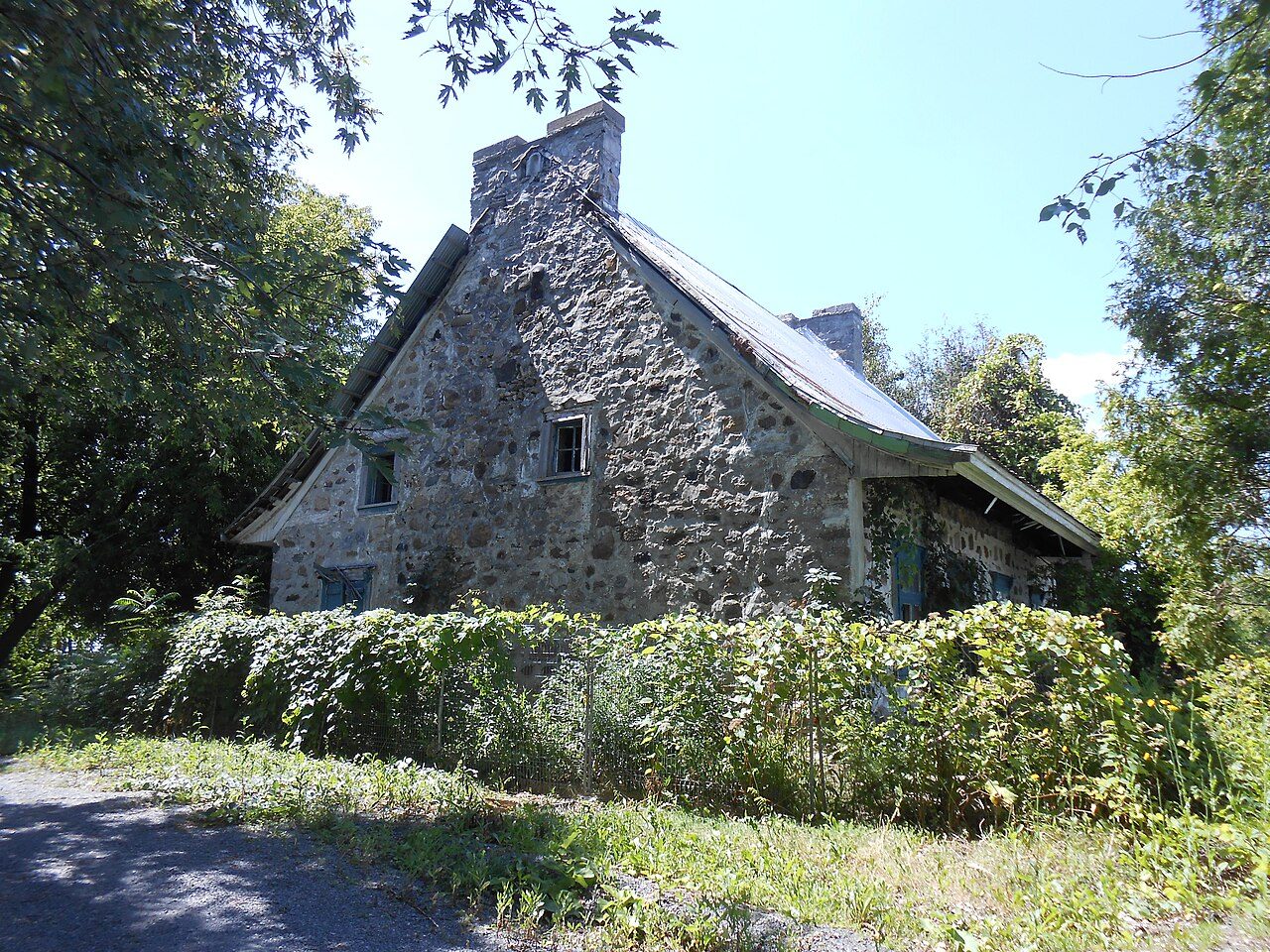
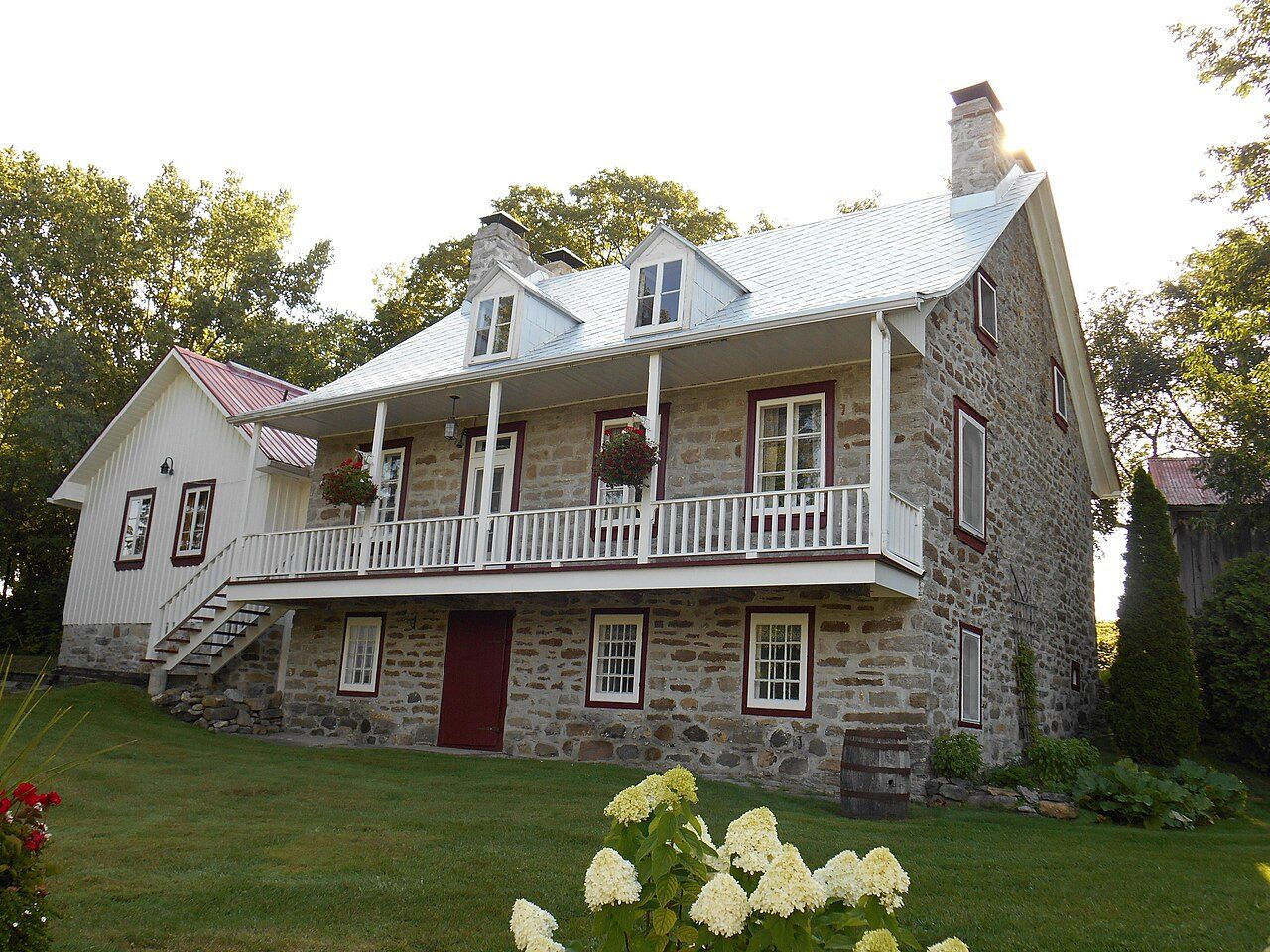
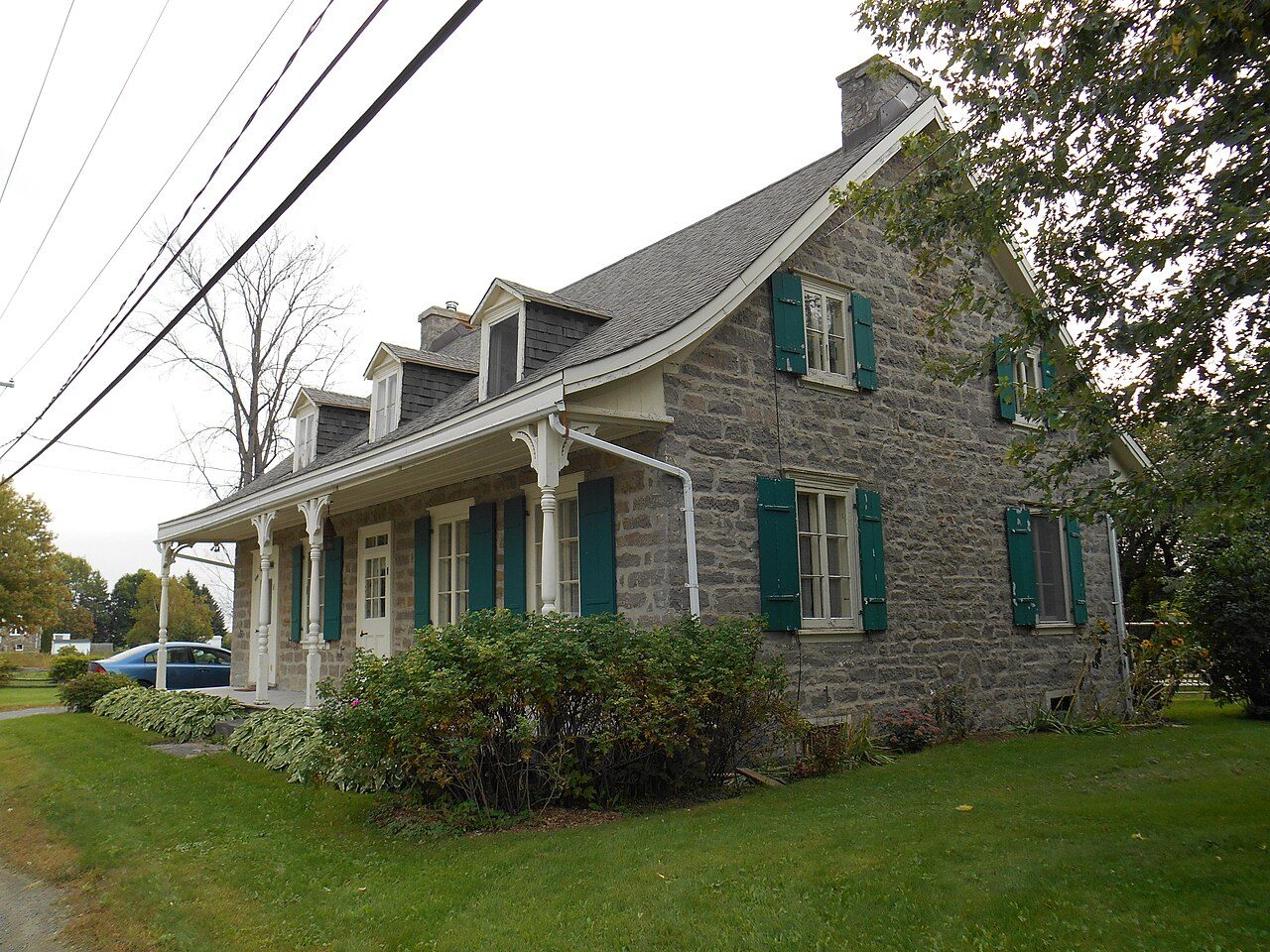
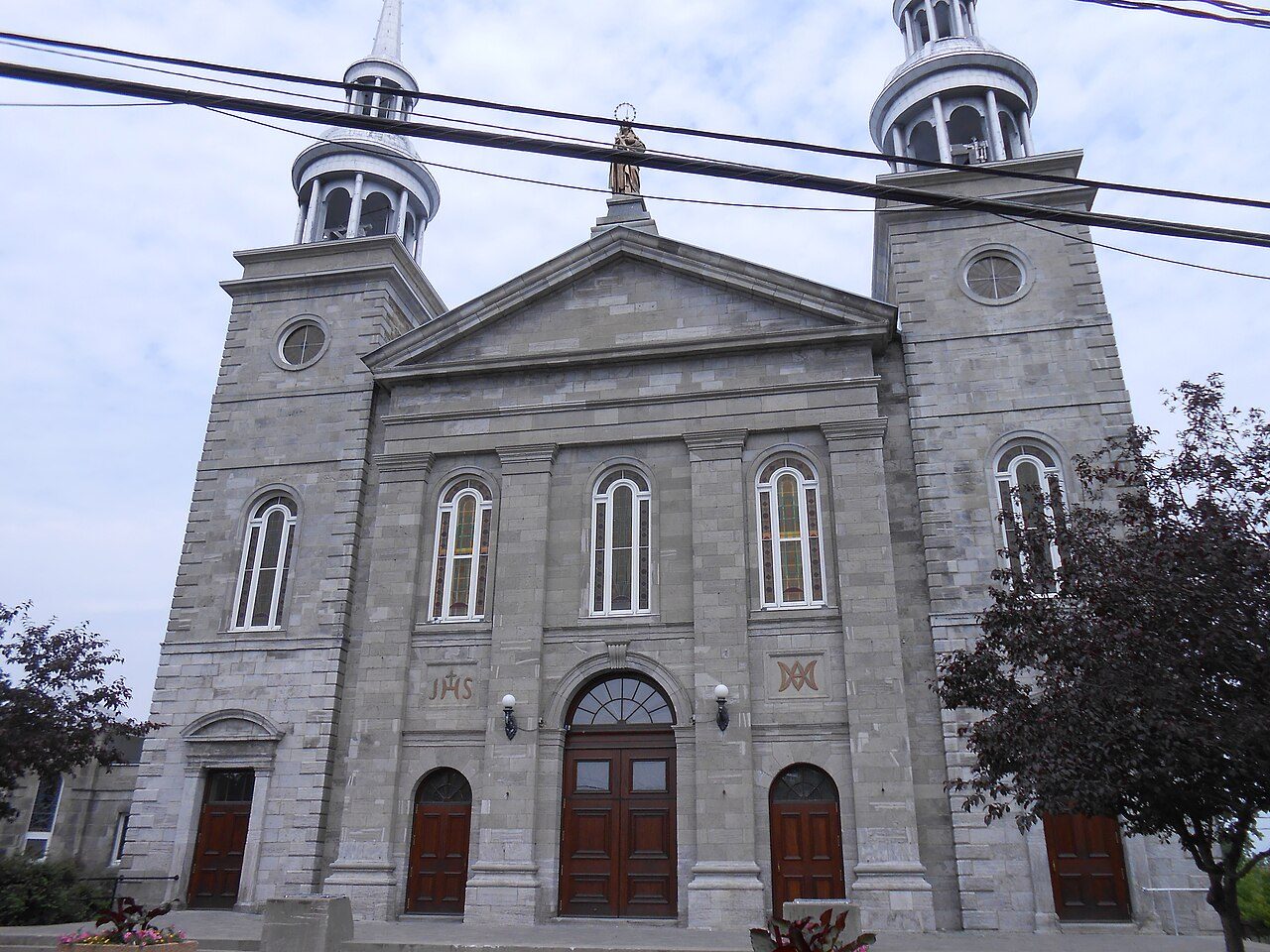
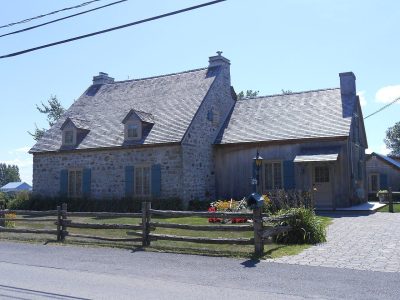
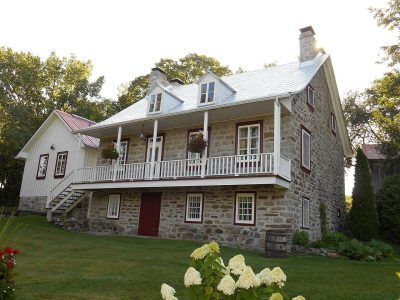
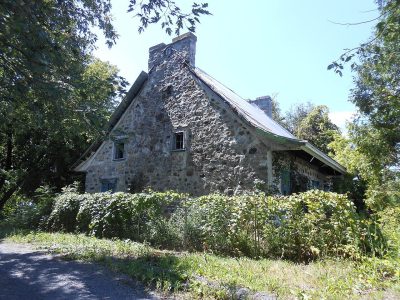
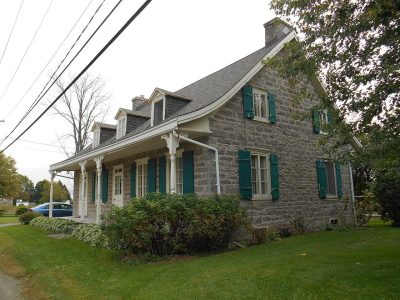
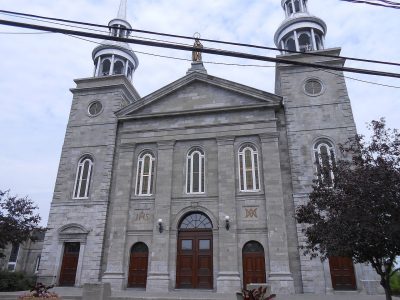
Every place on Laval’s registers has a photo here. To start: Maison André-Benjamin-Papineau, and Maison Charbonneau. 3 different photographers shared them on Wikimedia Commons.
Photos from Wikimedia Commons, each credited to its photographer with its licence; names open the place’s page. Tap a photo to step through them full screen.
How old
Laval’s dated places lean to the years before Confederation
Each place by the first construction date on its record.
New France before 17603
British North America 1760–18664
After Confederation 1867–19131
Wars and Depression 1914–19451
Since 1946 1946 on1
7 of the 10 dated places are older than Confederation.
How it began
The dates behind Laval, from 1965
The name of Laval honours François de Laval, catholic saint, First Bishop of Quebec. The municipality of Laval has the date 1965 on Wikidata; the record doesn’t say whether it marks a founding or an incorporation.
Every place on the registers inside the town, by its designation.
Highest designationsOther federal designations
Hover a dot for its name; tap one to open its page.
The 10, by tier
8 Highest designations2 Other federal designations
The federal directory and the Répertoire du patrimoine culturel du Québec are both open, so every federal, provincial and municipal designation here has its point.
Points from Wikidata (Parks Canada’s files carry none) and from Québec’s register, as mapped there.
Highest designations
8 places in Laval with the highest designation
They date from 1722 (Maison Therrien) to 1961. By designation: 7 places classified by Québec and a National Historic Site. National Historic Sites and Classified Federal Heritage Buildings, Canada’s highest federal recognition. Each one opens its own page.
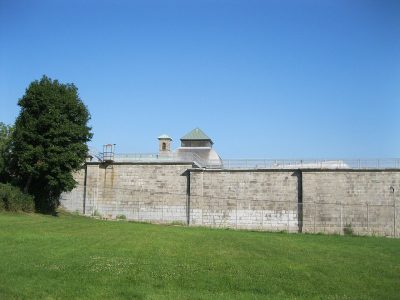
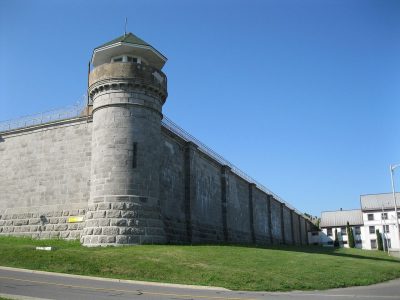
Recognized Federal Heritage Buildings, heritage railway stations and lighthouses. They date from 1864 (Main Cellblock) to 1929. Each one opens its own page.
Recognized Federal Heritage Building · 1929–1932Towers160 Montée Saint-FrançoisPhoto: Jeangagnon · CC BY-SA 3.0 · Commons file
What’s designated
In Laval, houses lead the list (50%)
Next come churches and religious buildings: 2. Two of the highest-ranked are Saint-Vincent-de-Paul Penitentiary and Maison Therrien.
Houses5
Churches and religious buildings2
Other places3
Each place sits in one group, from its name first, then the uses its register lists.
When designated
Laval’s list has grown since 1974
The places by the year of their designation.
1960198020002020
Maison André-Benjamin-Papineau went on the registers first, in 1974. 3 have been added since 2011.
Homes by age
Most of Laval’s homes went up from 1961 to 1980: 33%
Like the typical town (18%), Laval has 14% of its homes from before 1961. From 2016 on, Laval built 5% of its homes, near the typical 4.1%. Homes built from 2001 to 2015 make up 20% of Laval’s, against 15% in the typical town.
14%
Before 1961
33%
1961–80
29%
1981–2000
20%
2001–15
5%
2016–21
LavalTypical town
2021 Census, private dwellings by period of construction (Statistics Canada); the typical town is the middle Canadian town of 2,500 or more.
Born here
Lives that started in Laval, 1808–1898
The widest known is Mother Joseph Pariseau: 9 Wikipedia editions. Wikidata and Wikipedia agree on 10 births here before 1914. 7 of the 10 were born in the years before Confederation. Parks Canada designates Léo-Ernest Ouimet and Marc-Aurèle Fortin persons of national historic significance.
Pierre Labelle
Gédéon Ouimet
Mother Joseph Pariseau
Antoine Labelle
Joseph Tassé
Delphis-Adolphe Beaulieu
Pierre-Évariste Leblanc
Léo-Ernest Ouimet
Marc-Aurèle Fortin
Germaine Malépart
1800182518501875190019251950
MP
Mother Joseph Pariseau1823–1902 · Religious Sister and pioneer
Gédéon Ouimet1823–1905 · Canadian politician
Léo-Ernest Ouimet1877–1972 · National historic person, 2018 · Canadian film pioneer
Antoine Labelle1833–1891 · Canadian Catholic priest
Joseph Tassé1848–1895 · Canadian politician
Pierre-Évariste Leblanc1853–1918 · Canadian politician
Marc-Aurèle Fortin1888–1970 · Designated nationally in 2011 · Quebec painter
GM
Germaine Malépart1898–1963 · Canadian pianist and music educator
Everyone born in Laval → Born before 1914. Birthplaces from Wikidata, each checked against Wikipedia; national historic persons from Parks Canada’s Directory of Federal Heritage Designations, matched by name and life years.
All told, Laval has 10 historic places, 8 with the highest designation; Saint-Vincent-de-Paul Penitentiary heads the list. Most of the places, 50%, are houses. Mother Joseph Pariseau (1823), Gédéon Ouimet (1823) and Léo-Ernest Ouimet (1877) are the best known of its historic lives. Most of its homes are post-1960: only 14% came earlier, against 18% in the typical town.
How to read these numbers
What this data can and can’t tell you
•
People and events. Parks Canada’s open file gives its national historic persons no place. A town’s page names one only when the person was born there (matched by name and both life years) or one of its own historic places carries the name and its record speaks of them; national historic events stay off.
•
The grade. History isn’t one of Canada’s graded pillars, so this page describes and compares without a letter.
•
The tiers. National Historic Sites and the most protected buildings form the top tier; recognized federal buildings, stations and lighthouses the second; provincial and municipal listings the third.
•
Protection. Québec’s classements and citations carry legal protection: work on a classified building needs the minister’s authorization, on a cited one the municipality’s. Federal designations commemorate.
•
Map points. Where a federal place sits on the map is Wikidata’s placing; the directory itself has no coordinates.
•
Québec’s register. Québec’s Répertoire du patrimoine culturel records the province’s classements and declarations and every municipal citation, each with a description and a point.
•
The federal register. Every federal designation is in Parks Canada’s directory, and the Canadian Register of Historic Places gives most of them a bilingual statement of significance.
Questions about Laval’s history
What is the oldest building in Laval?
Maison Therrien, a Classified heritage building (Québec), begun in 1722.
Which places in Laval have the highest designation?
These: Saint-Vincent-de-Paul Penitentiary, Maison Therrien, Maison Joseph-Labelle, Maison Charbonneau, Maison Pierre-Paré and Maison André-Benjamin-Papineau, and 2 more.
How old are the homes in Laval?
14% of its homes were built before 1961, against 18% in the typical Canadian town.
Contains information licensed under the Open Government Licence – Canada (Parks Canada). Québec register data: Ministère de la Culture et des Communications du Québec, CC BY 4.0.
Sources: Parks Canada, Directory of Federal Heritage Designations · Canadian Register of Historic Places (federal extract) · Répertoire du patrimoine culturel du Québec (MCC, Données Québec) · Wikidata (CC0) for map points, other names and articles · Statistics Canada, 2021 Census (homes by period of construction). Under the Statistics Canada Open Licence.


 Top
 Top
 Top
 Top
 Top
 Top
 Top
 Top
 Fed
 Fed


