
 Top
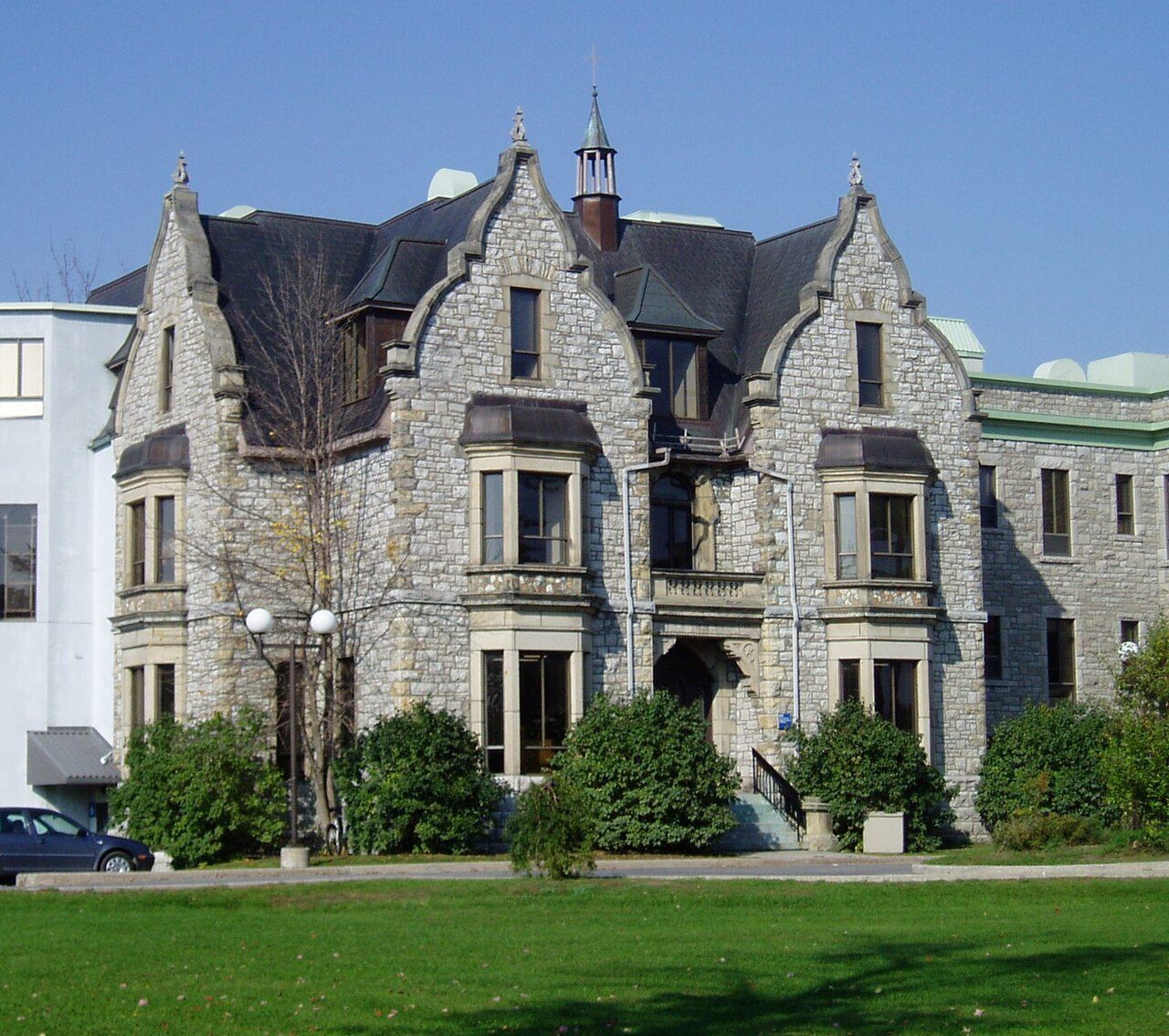
Classified heritage building (Québec) · 1865Riverview432 boulevard Alexandre-TachéPhoto: SimonP · CC BY-SA 3.0 · Commons file
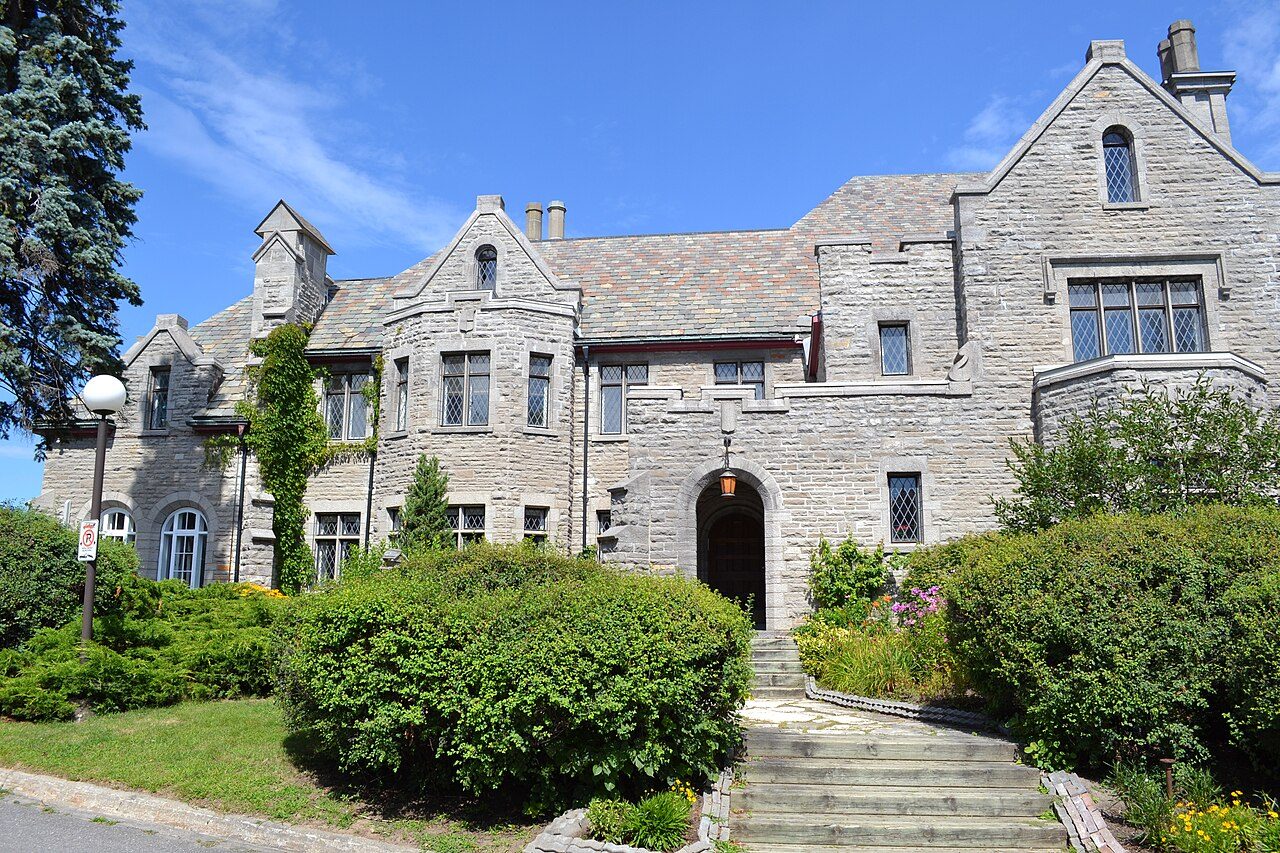
 Édifices E.-B.-Eddy · Photo: Jeangagnon · CC BY-SA 4.0
5historic places on the registers
History of Du Parc · Canada’s heritage registers
The registers list 5 historic places in Du Parc, 2 at the top
Per resident Du Parc outdoes 94% of Canadian towns, with 4.9 for every 10,000 people. Its oldest building on the record is Saint James cemetery, from 1820. Counted by designation, there are 2 municipal citations and a Recognized Federal Heritage Building.
Historic places
5
4.9 per 10,000 residents
Highest designations
2
National Historic Sites, classified federal buildings and Québec’s classements
Other federal designations
1
Recognized buildings, railway stations, lighthouses
Provincial and local listings
2
municipal citations on Québec’s register
Oldest building
1820
the first construction date on its record
Homes built before 1961
15%
typical town: 18%
In pictures
Historic Du Parc, in 5 photos
Begin with Édifices E.-B.-Eddy, then Riverview. Photos show every place Du Parc’s registers name. 3 different photographers shared them on Wikimedia Commons.
Photos from Wikimedia Commons, each credited to its photographer with its licence; names open the place’s page. Tap a photo to step through them full screen.
The map
Where Du Parc’s history is
Every place on the registers inside the town, by its designation.
Highest designationsOther federal designationsProvincial and local listings
Hover a dot for its name; tap one to open its page.
The 5, by tier
2 Highest designations1 Other federal designations2 Provincial and local listings
In Québec the record is fuller than elsewhere: beside Parks Canada’s designations, the province’s register lists its classements and every municipal citation.
Points from Wikidata (Parks Canada’s files carry none) and from Québec’s register, as mapped there.
Highest designations
2 places in Du Parc with the highest designation
National Historic Sites and Classified Federal Heritage Buildings, Canada’s highest federal recognition. Riverview is the earliest, from 1865; the latest dates from 1883. Each one opens its own page.
 Top
Classified heritage building (Québec) · 1883–1890Édifices E.-B.-Eddyboulevard Alexandre-TachéPhoto: Jeangagnon · CC BY-SA 4.0 · Commons file
Other federal designations
One other place Canada recognizes in Du Parc
Recognized Federal Heritage Buildings, heritage railway stations and lighthouses. Each one opens its own page.
 Fed
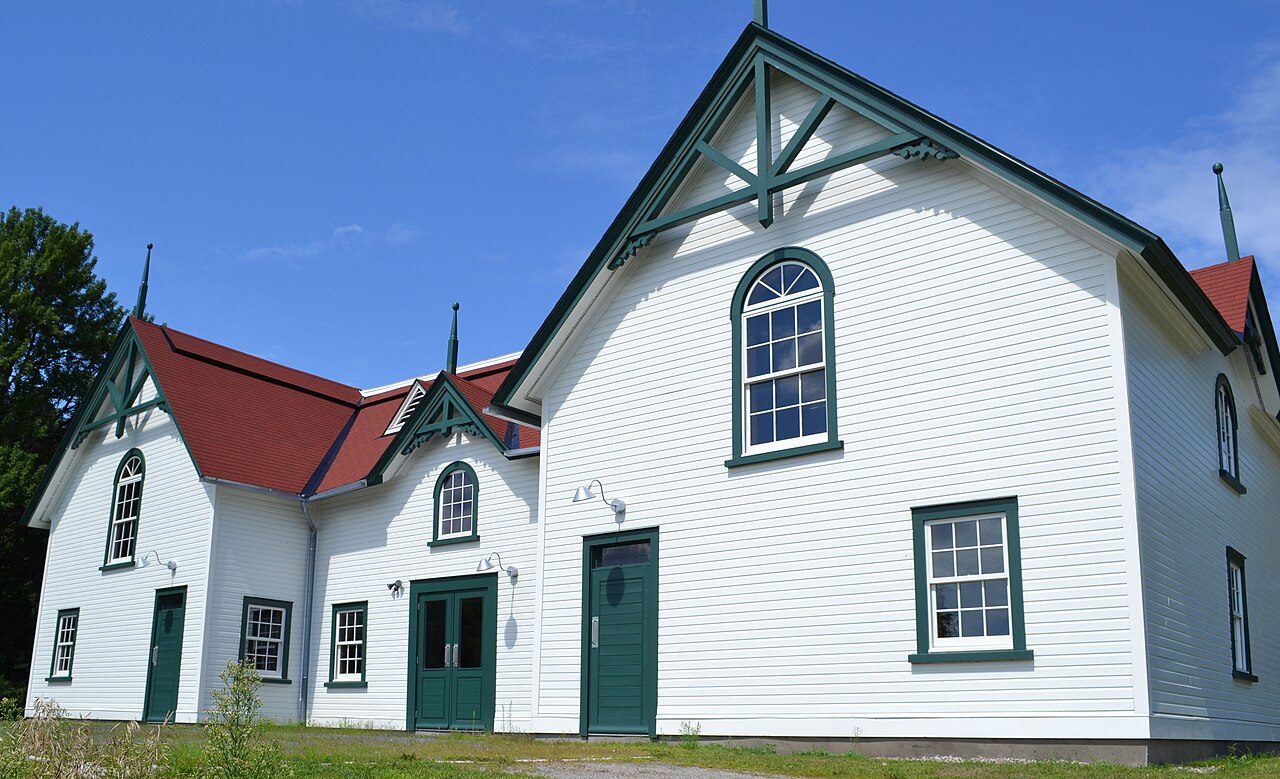
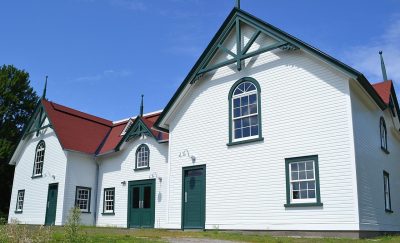
Recognized Federal Heritage Building · 1910–1911Stable670 Alexander Taché Blvd.Photo: Cantons-de-l'Est · CC BY-SA 3.0 · Commons file
Provincial and local listings
On provincial and local lists in Du Parc: 2 places
Their designations span 2006 to 2011. Citations the municipality has made, registered with Québec’s ministry of culture. Saint James cemetery is the earliest, from 1820; the latest dates from 1930. Each one opens its own page.
 Local
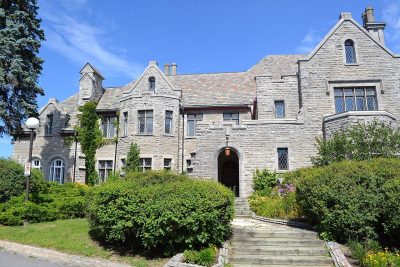
Municipal citation (Québec) · 1930Château Monsarrat100 rue du ChâteauPhoto: Cantons-de-l'Est · CC BY-SA 3.0 · Commons file
 Local
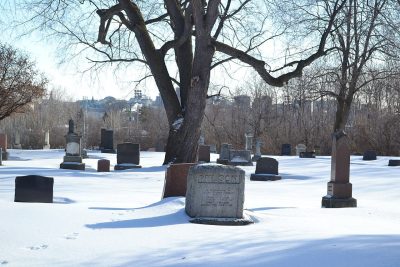
Cited heritage site (Québec) · 1820Saint James cemeteryboulevard Alexandre-TachéPhoto: Cantons-de-l'Est · CC BY-SA 4.0 · Commons file
How old
In Du Parc, the years before Confederation left the most behind
Each place by the first construction date on its record.
British North America 1760–18662
After Confederation 1867–19132
Wars and Depression 1914–19451
Since 1946 1946 on0
2 of the 5 dated places are older than Confederation.
Homes by age
New homes are rare in Du Parc: 0.2% from 2016–21, against a usual 4.1%
Like the typical town (18%), Du Parc has 15% of its homes from before 1961. 49% of Du Parc’s homes were built from 1981 to 2000, more than the typical town’s 23%. Homes built from 1961 to 1980 make up just 17% of Du Parc’s, against 27% in the typical town.
15%
Before 1961
17%
1961–80
49%
1981–2000
17%
2001–15
0.2%
2016–21
Du ParcTypical town
2021 Census, private dwellings by period of construction (Statistics Canada); the typical town is the middle Canadian town of 2,500 or more.
Towns its size
Du Parc has the most of 16 towns its size
Towns of 10,100 to 10,300 residents, by places on the registers.
Du Parc5
The middle one has 0. For 13, the registers list nothing.
Neighbours
Du Parc and its neighbours
| Town | People | Places | Highest | Oldest |
|---|---|---|---|---|
| Du Parc | 10,168 | 5 | 2 | 1820 |
| Lac-des-Fées | 10,075 | 3 | 1 | 1835 |
| Du Plateau | 29,234 | 11 | 0 | 1850 |
| Island Park-Wellington Village | 5,486 | 1 | 0 | 1950 |
| Centre-Ville | 12,981 | 16 | 3 | 1832 |
| Hintonburg-Mechanicsville | 10,966 | 0 | 0 | — |
| Les Golfs | 15,842 | 17 | 0 | 1826 |
In brief
Du Parc in brief
The registers count 5 historic places in Du Parc, 2 with the highest designation, Riverview first. Of the 16 towns closest in size, it has the most historic places. Its oldest homes, those from before 1961, are 15% of the total, against 18% in the typical town. The other figures are unremarkable: the list grew between 1991 and 2012.
How to read these numbers
What this data can and can’t tell you
- Map points. Parks Canada publishes no coordinates, so federal places are pinned where Wikidata puts them.
- The federal register. Parks Canada’s Directory of Federal Heritage Designations lists every National Historic Site, federal heritage building, heritage railway station and lighthouse; the Canadian Register of Historic Places adds their statements in English and French.
- Québec’s register. The Répertoire du patrimoine culturel du Québec is open data, so the province’s own designations and its municipalities’ citations are here in full.
- The tiers. National Historic Sites and the most protected buildings form the top tier; recognized federal buildings, stations and lighthouses the second; provincial and municipal listings the third.
- People and events. The open directory puts its national historic persons nowhere, so a town shows one only on firm ground: a birth there, matched by name and life years, or a historic place there named for the person whose record says so. Events are left out.
- The grade. History isn’t one of Canada’s graded pillars, so this page describes and compares without a letter.
- Protection. Québec’s classements and citations carry legal protection: work on a classified building needs the minister’s authorization, on a cited one the municipality’s. Federal designations commemorate.
Questions about Du Parc’s history
Which places in Du Parc have the highest designation?
These: Riverview and Édifices E.-B.-Eddy.
What is the oldest building in Du Parc?
Saint James cemetery (Cited heritage site (Québec)): the first construction date on its record is 1820.
How old are the homes in Du Parc?
Before 1961: 15% of its homes; the typical town has 18%.
Contains information licensed under the Open Government Licence – Canada (Parks Canada). Québec register data: Ministère de la Culture et des Communications du Québec, CC BY 4.0.
Sources: Parks Canada, Directory of Federal Heritage Designations · Canadian Register of Historic Places (federal extract) · Répertoire du patrimoine culturel du Québec (MCC, Données Québec) · Wikidata (CC0) for map points, other names and articles · Statistics Canada, 2021 Census (homes by period of construction). Under the Statistics Canada Open Licence.
Adapted from Statistics Canada (Census of Population 2021, population estimates 2025, 2021 census boundaries) under the Statistics Canada Open Licence; this does not constitute an endorsement by Statistics Canada. Neighbourhood names in some cities © OpenStreetMap contributors (ODbL).