History of Charlottetown · Canada’s heritage registers
11 top designations among Charlottetown’s 14 historic places
Among the places are a heritage lighthouse, a Recognized Federal Heritage Building and a provincial or municipal listing. The oldest dated place, Ravenwood House #5, goes back to 1820. Scaled to its population, Charlottetown’s 2.9 per 10,000 residents beats 90% of Canadian towns. 341 further listings on provincial or municipal registers are known only through Wikidata, so they have no page of their own.
provincial and municipal listings with an encyclopedia article
Oldest building
1820
the first construction date on its record
Homes built before 1961
21%
typical town: 18%
In pictures
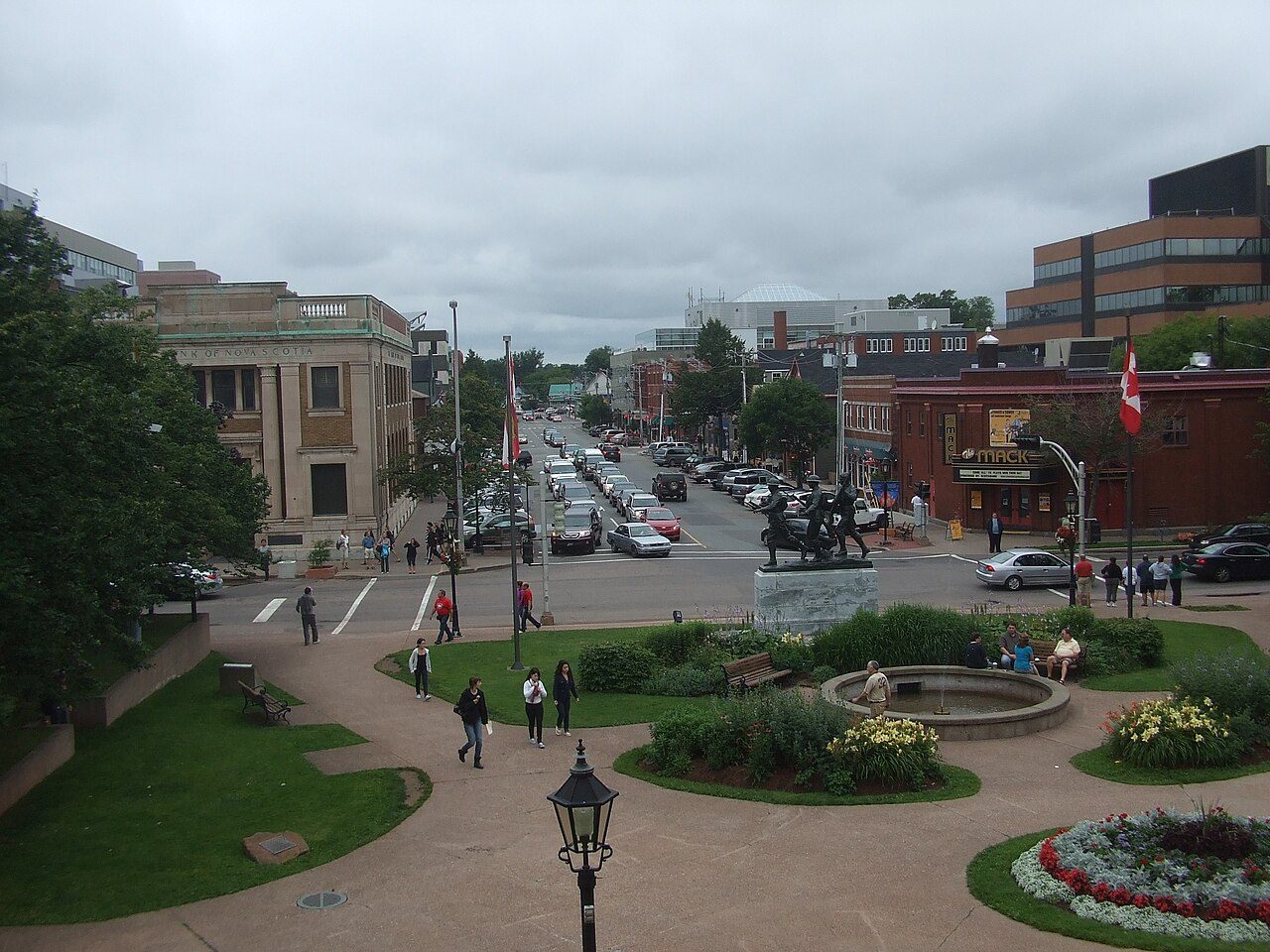
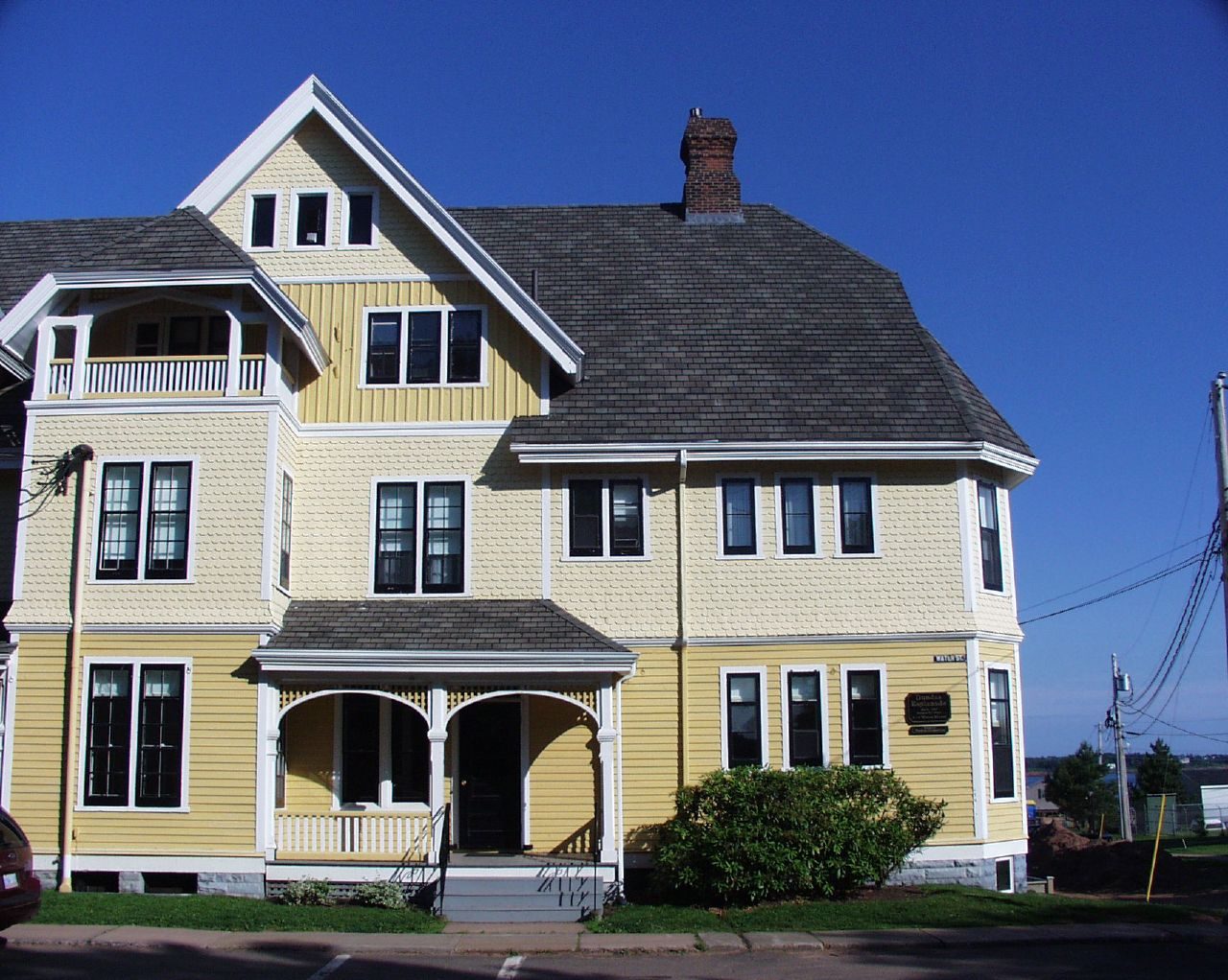
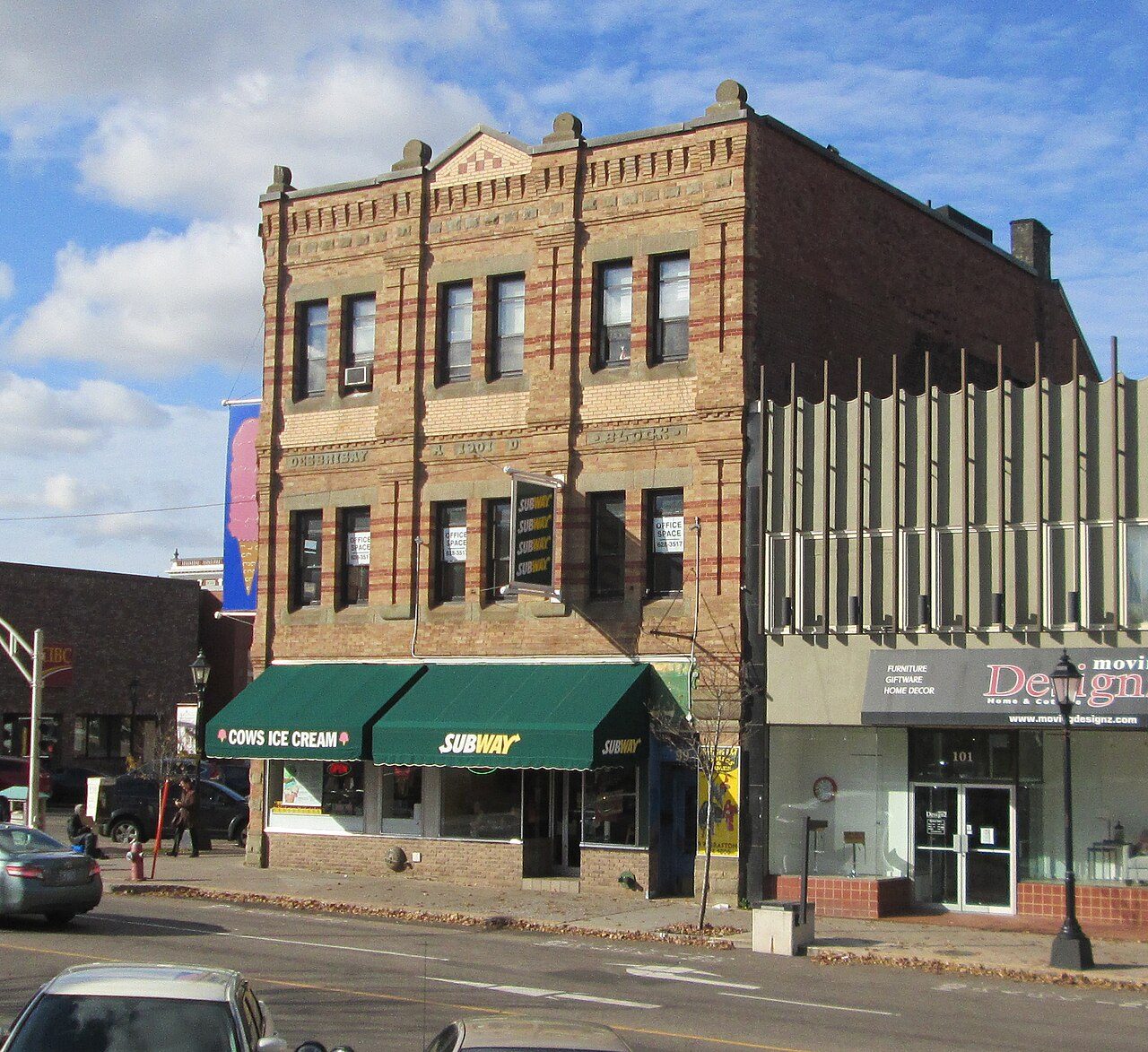
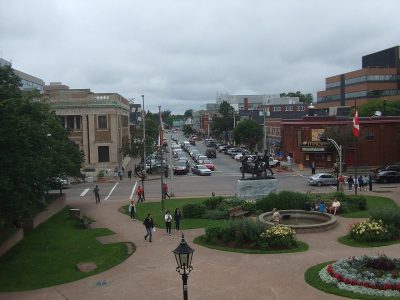
Historic Charlottetown: 11 photos, 6 old pictures
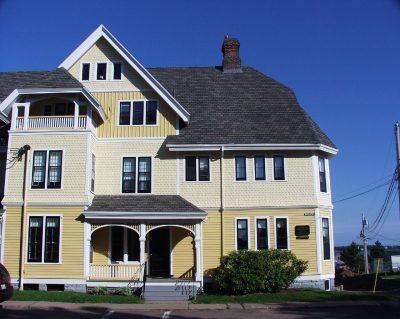
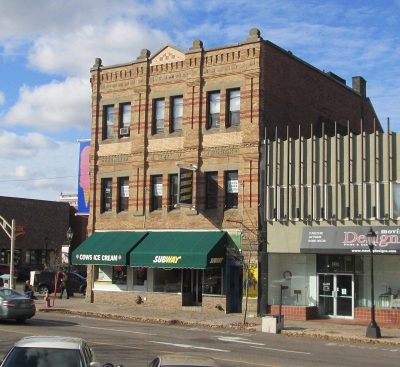
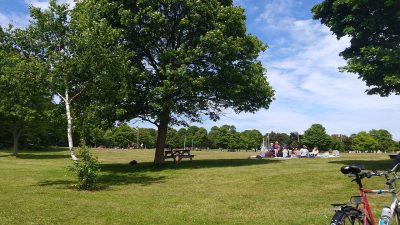
Government House, dated 1833, is the oldest place pictured in Charlottetown. 11 designated places in Charlottetown have a photo. Old pictures of 3 places in Charlottetown fill their own pages.
Photos from Wikimedia Commons, each credited to its photographer with its licence; names open the place’s page. Tap a photo to step through them full screen.
Through time
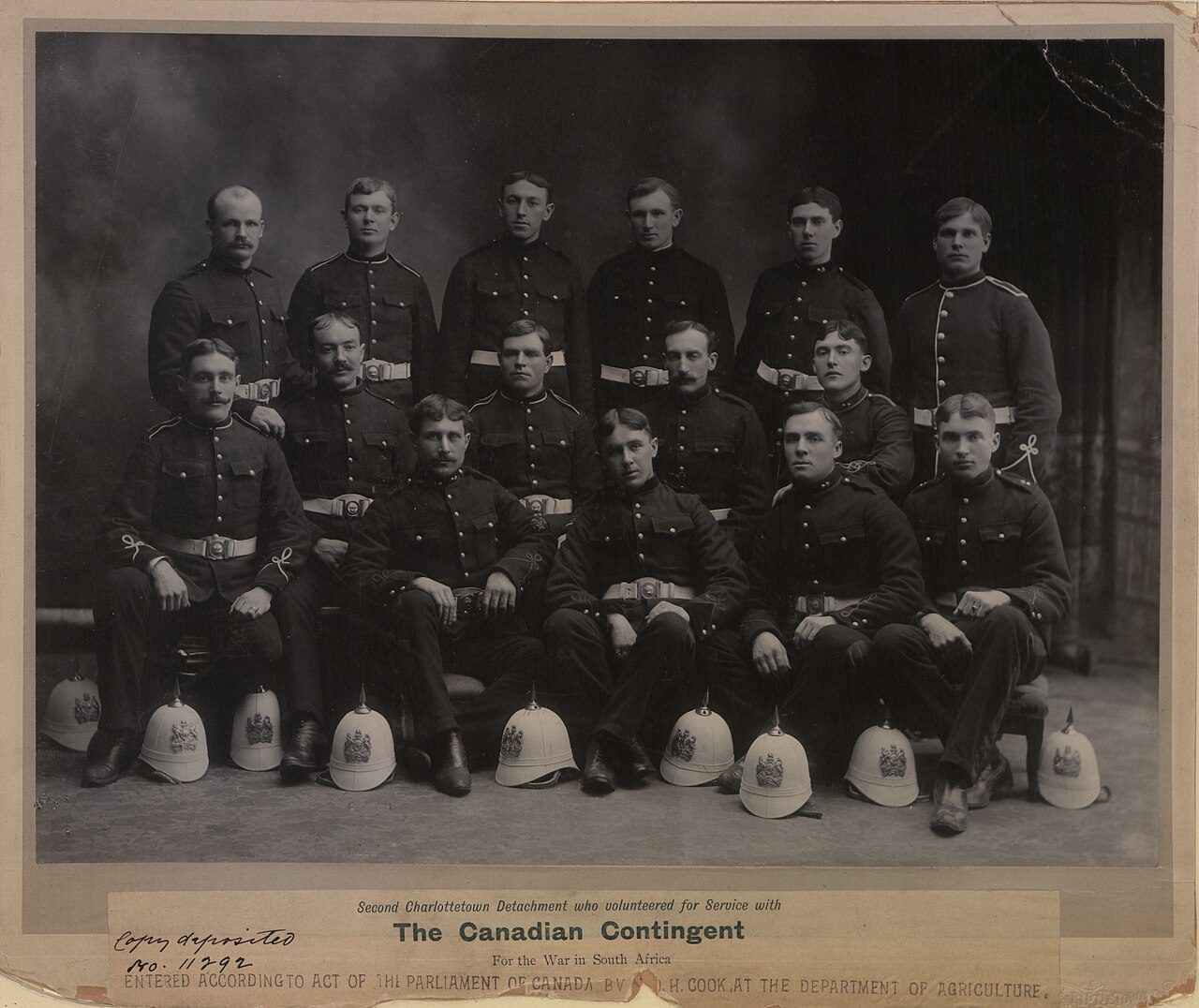
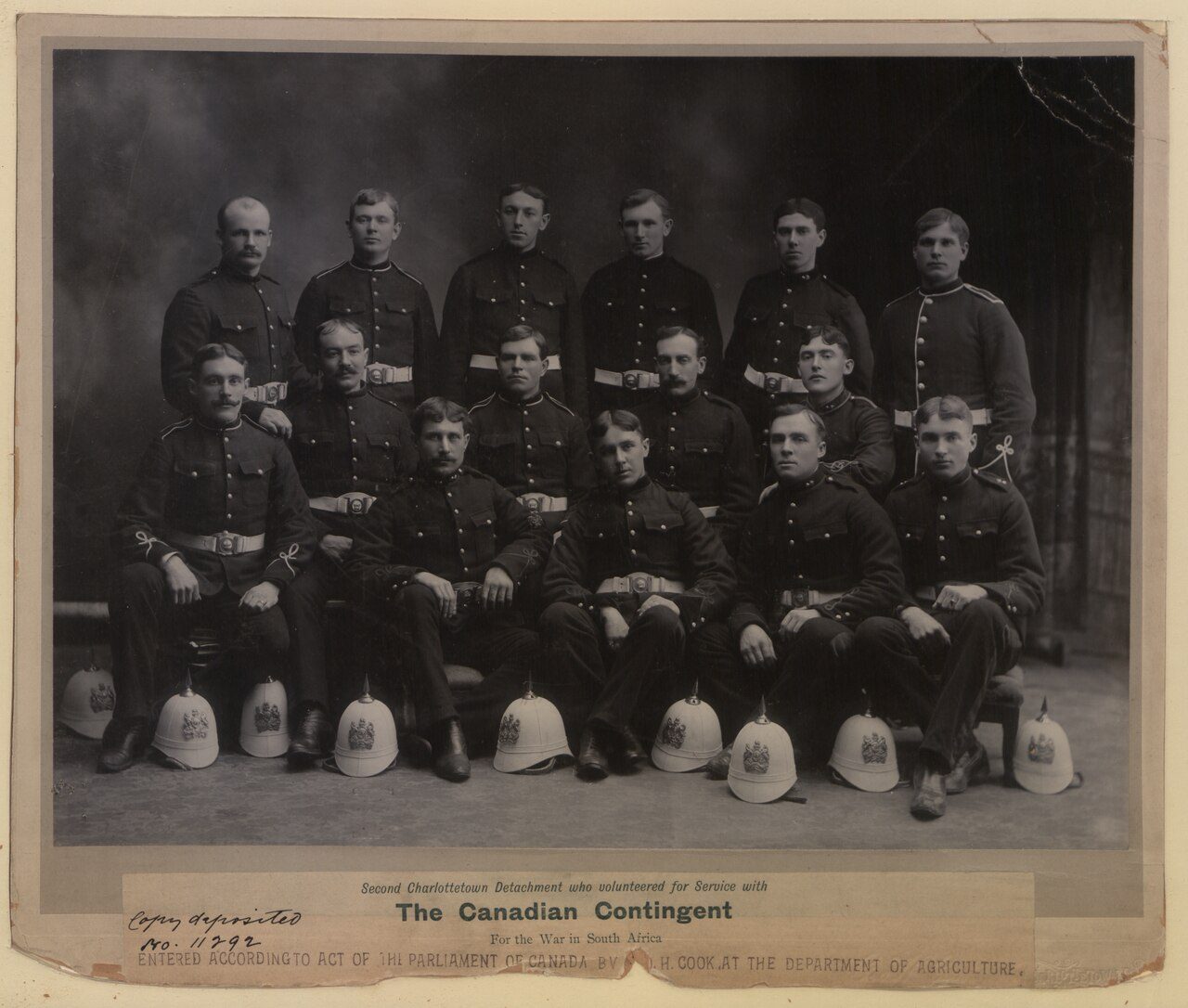
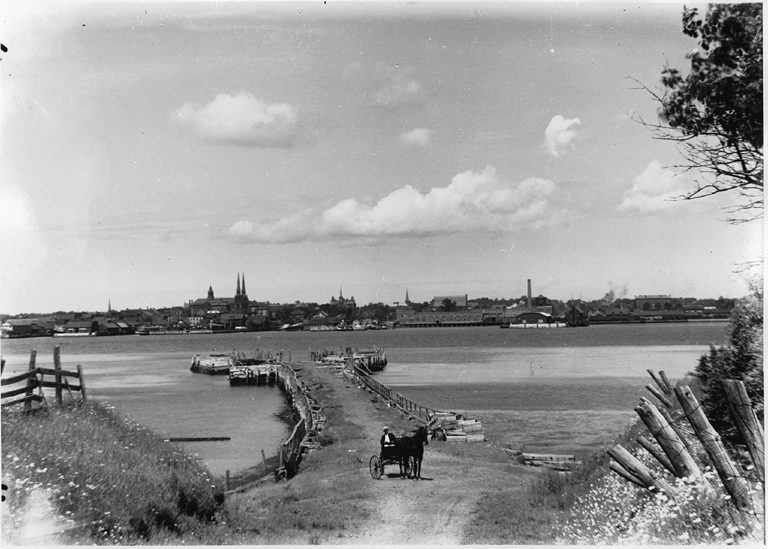
Charlottetown as it looked, 1864 to 1910
3 old photographs of the town, then the oldest views of 3 of its historic places, set out by date. Tap any picture to see it full screen.
18501875190019251950Before ConfederationConfederation to 1900Boom yearsThe wars and betweenAfter the war
Public domain or CC0, made before 1950, from Wikimedia Commons; old views of places can be drawings, prints or maps of their time. Each credit opens the image’s page.
How it began
Charlottetown through its dates, from 1764
On the open record, Charlottetown as a municipality goes back to 1764, though that may be a charter rather than a first settlement. Charlottetown takes its name from Charlotte of Mecklenburg-Strelitz, queen consort of Great Britain and Ireland from 1761 to 1818. Its charter made Charlottetown a city in 1855.
Every place on the registers inside the town, by its designation.
Highest designationsOther federal designationsProvincial and local listings400 m from St. Dunstan's Roman Catholic Basilica
5 of 11within 400 m of St. Dunstan's Roman Catholic Basilica, the heart of the town’s history
Names show on hover, and a tap takes you to the place’s page.
The 14, by tier
11 Highest designations2 Other federal designations1 Provincial and local listings
The federal directory kept by Parks Canada supplies most of these places; provincial and municipal lists outside Québec aren’t open data, so only the ones Wikidata documents with an article appear.
Points from Wikidata (Parks Canada’s files carry none) and from Québec’s register, as mapped there. One place, placed by its register’s municipality, has no point and isn’t on the map.
Highest designations
11 places in Charlottetown with the highest designation
The first was designated in 1966, the latest in 2003. National Historic Sites and Classified Federal Heritage Buildings, Canada’s highest federal recognition. They date from 1833 (Government House) to 1963. Each one opens its own page.
They date from 1820 (Ravenwood House #5) to 1889. By designation: a Recognized Federal Heritage Building and a heritage lighthouse. Recognized Federal Heritage Buildings, heritage railway stations and lighthouses. Each one opens its own page.
Across Canada public buildings are 11% of the designated places; here they are 29%. Leading by designation: Government House and Fairholm. All told, 6 kinds of place appear.
Houses5
Public buildings4
Churches and religious buildings2
Stations, lighthouses and bridges1
Theatres, museums and memorials1
Other places1
Each place sits in one group, from its name first, then the uses its register lists.
Provincial and local listings
On a provincial or local list in Charlottetown: one place
Provincial and municipal listings that Wikidata records and an encyclopedia describes. Each one opens its own page.
For Charlottetown, most dated places belong to the decades after Confederation
Each place by the first construction date on its record.
British North America 1760–18666
After Confederation 1867–19137
Wars and Depression 1914–19450
Since 1946 1946 on1
6 of the 14 dated places were built before Confederation.
When designated
Charlottetown on the registers since 1966
The places by the year of their designation.
1960198020002020
Ardgowan went on the registers first, in 1966. The busiest year was 1990, with 4. Since 2011, one more has joined the list.
Homes by age
Most of Charlottetown’s homes went up from 1961 to 1980: 29%
21% of Charlottetown’s homes predate 1961, close to the typical town’s 18%. New building is strong in Charlottetown: 6.2% of homes date from 2016–21, where most towns have 4.1%. Charlottetown has an unusual share of homes built from 2001 to 2015: 19%, where most towns have 15%.
21%
Before 1961
29%
1961–80
25%
1981–2000
19%
2001–15
6.2%
2016–21
CharlottetownTypical town
2021 Census, private dwellings by period of construction (Statistics Canada); the typical town is the middle Canadian town of 2,500 or more.
Born here
6 national historic persons among Charlottetown’s people of the past
44 people on the record were born here before 1914. Edward Palmer is the most written about, in 8 languages. The longest life here was Montague Aldous’s, 96 years, ending in 1946. Robert Hodgson comes first, born in 1798. Only the 20 best known fit the timeline.
Robert Hodgson
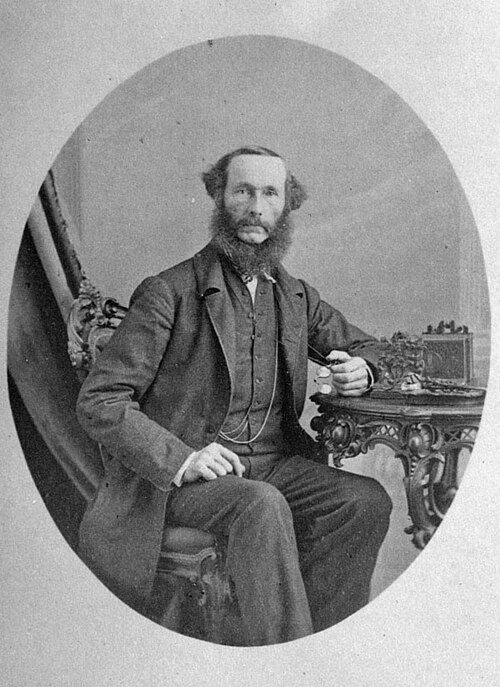
Edward Palmer
John Hamilton Gray
Thomas Heath Haviland
Lemuel Owen
James H. Fletcher
Joseph Ignatius Little
Sarah Newcomb Merrick
Louis Henry Davies
George Godfrey
Arthur Peters
Basil King
W. H. Weeks
Elmer Ferguson
George Des Brisay de Blois
Thomas William Lemuel Prowse
Frederick Thornton Peters
Philip MacDonald
Frederick Walter Hyndman
Gordon Lockhart Bennett
175017751800182518501875190019251950
Edward Palmer1809–1889 · On Canada’s list since 1939 · Canadian politician
John Hamilton Gray1811–1887 · On Canada’s list since 1939 · Canadian politician
LD
Louis Henry Davies1845–1924 · National historic person, 1937 · Canadian politician and 6th Chief Ju…
Basil King1859–1928 · Canadian writer
RH
Robert Hodgson1798–1880 · Canadian lawyer, politician, and judge
Thomas Heath Haviland1822–1895 · Designated nationally in 1939 · Canadian politician
PM
Philip MacDonald1904–1978 · Canadian athletics competitor
Lemuel Owen1822–1912 · Canadian politician
Everyone born in Charlottetown → Born before 1914. Birthplaces from Wikidata, each checked against Wikipedia; national historic persons from Parks Canada’s Directory of Federal Heritage Designations, matched by name and life years.
Towns its size
Charlottetown has the most of 16 towns its size
Towns of 46,000 to 50,300 residents, by places on the registers.
Counted by age, 21% of Charlottetown’s homes predate 1961, against 18% in the typical town. There are 14 historic places in all, 11 with the highest designation; Government House heads them. Of the 16 towns closest in size, it has the most historic places.
The densest spot is around St. Dunstan's Roman Catholic Basilica: 5 of its places of the highest designation within 400 m. Most of its dated places come from the decades after Confederation: 7 of 14. Among the lives from its past: Edward Palmer (1809), John Hamilton Gray (1811) and Louis Henry Davies (1845).
How to read these numbers
What this data can and can’t tell you
•
Map points. Federal places get their map points from Wikidata, since Parks Canada’s files carry none; they are as mapped there.
•
The grade. History isn’t one of Canada’s graded pillars, so this page describes and compares without a letter.
•
Provincial and municipal lists. The local and provincial lists outside Québec aren’t published openly, so this page counts what Wikidata records and pages only the places an encyclopedia describes.
•
The tiers. National Historic Sites and the most protected buildings form the top tier; recognized federal buildings, stations and lighthouses the second; provincial and municipal listings the third.
•
The federal register. Parks Canada’s Directory of Federal Heritage Designations lists every National Historic Site, federal heritage building, heritage railway station and lighthouse; the Canadian Register of Historic Places adds their statements in English and French.
•
People and events. The open directory puts its national historic persons nowhere, so a town shows one only on firm ground: a birth there, matched by name and life years, or a historic place there named for the person whose record says so. Events are left out.
•
Protection. A National Historic Site designation recognises significance; it doesn’t by itself protect a building the federal government doesn’t own. Legal protection comes from provincial and municipal designations, whose own registers aren’t open data outside Québec.
Questions about Charlottetown’s history
Which places in Charlottetown have the highest designation?
They are Government House, Fairholm, Province House, Ardgowan, Great George Street Historic District and All Souls Chapel, and 5 more.
What is the oldest building in Charlottetown?
Ravenwood House #5, a Recognized Federal Heritage Building, begun in 1820.
Why might a heritage building in Charlottetown be missing here?
Its province’s and council’s own lists can’t be reused here; 341 further listings in Charlottetown show up only as Wikidata numbers.
How old are the homes in Charlottetown?
21% of its homes were built before 1961, against 18% in the typical Canadian town.
Contains information licensed under the Open Government Licence – Canada (Parks Canada).
Sources: Parks Canada, Directory of Federal Heritage Designations · Canadian Register of Historic Places (federal extract) · Wikidata (CC0) for map points, other names and articles · Statistics Canada, 2021 Census (homes by period of construction). Under the Statistics Canada Open Licence.



 c. 1864
 c. 1889
 c. 1894
 c. 1900
 c. 1900
 c. 1910
 Top
 Top
 Top
 Top
 Top
 Top
 Top
 Top
 Top
 Fed
 Local