CS#1
Sports
Charlie Simmer
born 1954Canadian ice hockey player
9 Wikipedia and sister-site articlesWikipedia ↗
Each edition grades its towns against each other only.
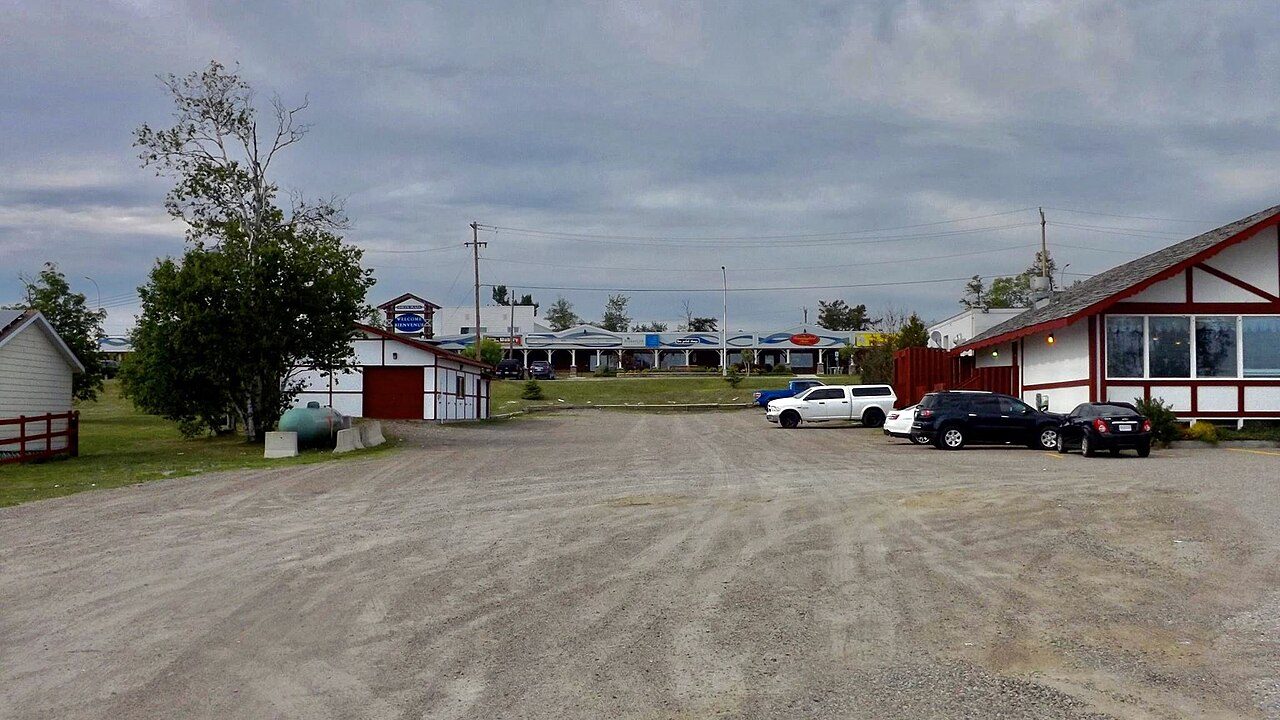 Photo: Andre Carrotflower · CC BY-SA 4.0
At the top of the list is the Canadian ice hockey player Charlie Simmer, covered in 9 languages. Danny Schock and Aaron MacKenzie follow. The largest group, 3, was born between 1946 and 1969. 2 were born in 1970 or later.
Each dot is a person, stacked by the decade they were born.
All three are athletes.
Canadian ice hockey player
Canadian ice hockey player
Canadian ice hockey player
No one matches both filters.
Charlie Simmer (Canadian ice hockey player) heads the list, ranked by how many Wikipedias cover them. Next come Danny Schock and Aaron MacKenzie.
100% of the list, where Canadian towns come to 38%.
The earliest is Danny Schock, born in 1948, and the latest birth listed is 1984.
Born inside Terrace Bay’s municipal boundary (Statistics Canada’s 2021 census subdivision) on Wikidata’s record, with an English or French Wikipedia article to back it up: that is the test, hospitals and districts within the outline included. Someone who just lived here does not pass it, and adult performers and people known mainly for crimes are excluded.
Some have no birthplace below the province on Wikidata, some were born in a hamlet without a page here, and some have an article that names another place or none at all. The page lists only what Wikidata and Wikipedia agree on, and it follows their corrections at each refresh.
Birthplaces, descriptions, years, occupations and the count of Wikipedia and sister-site articles come from Wikidata (CC0). Each birthplace is checked against the person’s English Wikipedia article, or the French one where English says nothing or has no article; the articles are linked, never quoted. Wikidata’s Statistics Canada code, the place’s name or its point inside the 2021 census outline puts a birth in a town, and a birth given only as a split city stays on that city’s page. Fields are read from the description and occupations, and the list runs by number of articles. “The usual town” is everyone listed across Canadian towns.
Adapted from Statistics Canada (Census of Population 2021, population estimates 2025, 2021 census boundaries) under the Statistics Canada Open Licence; this does not constitute an endorsement by Statistics Canada. Neighbourhood names in some cities © OpenStreetMap contributors (ODbL).