

 Top
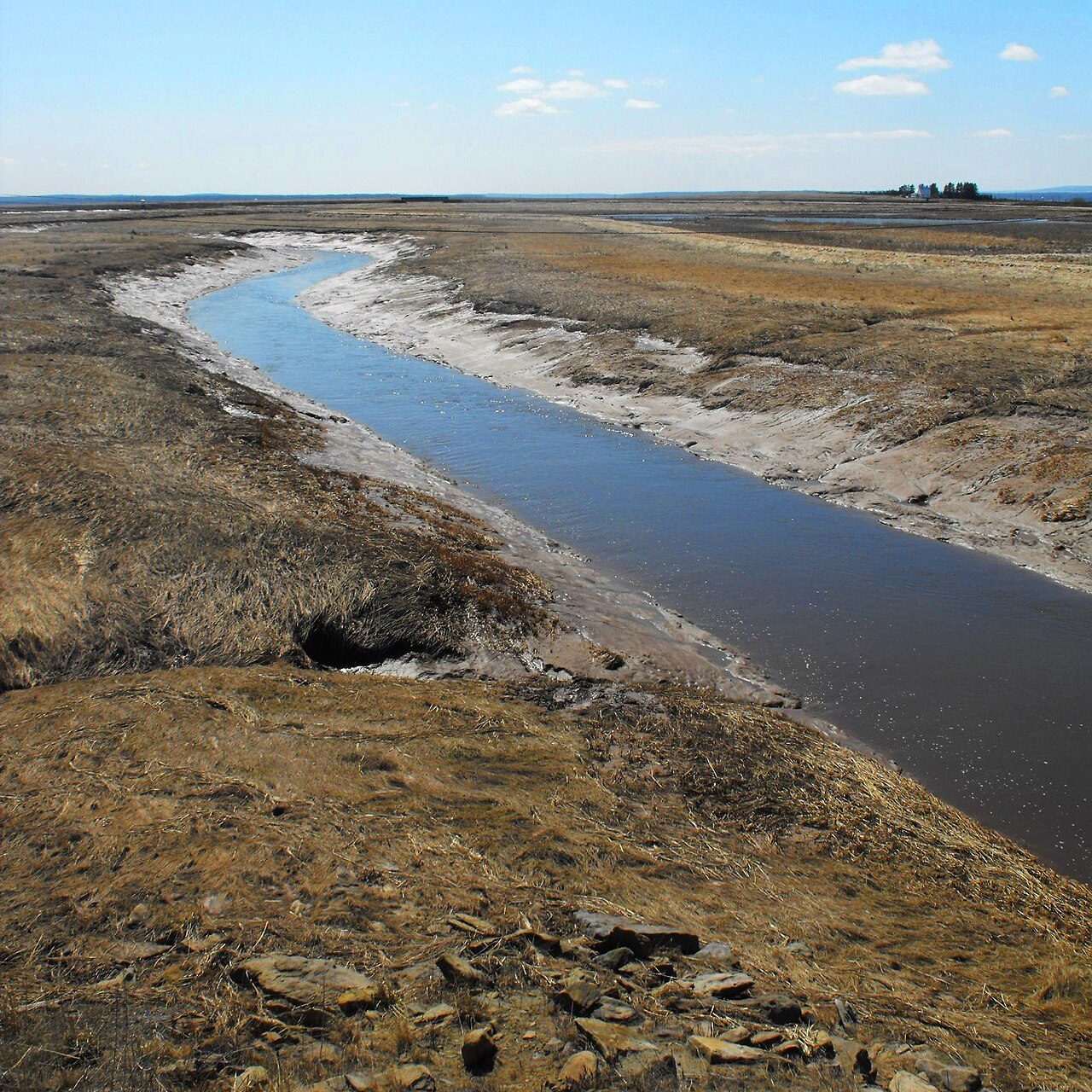
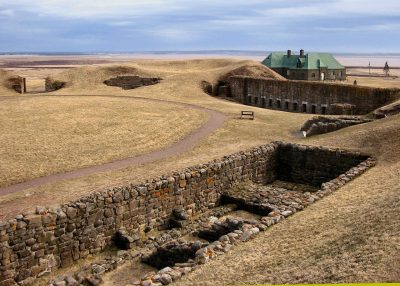
National Historic Site · 1676–1677Tonge's IslandHighway 2Photo: Verne Equinox · CC BY 3.0 · Commons file
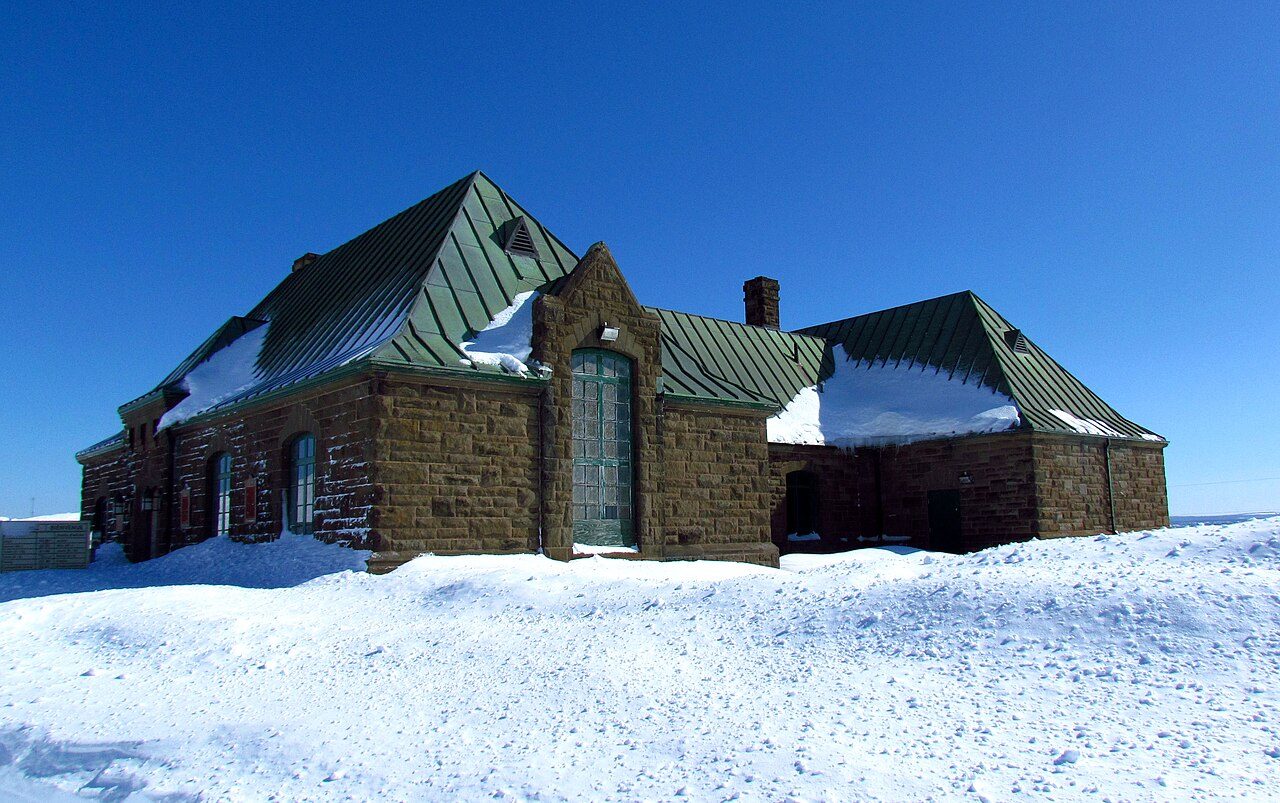 Visitor Centre / Museum · Photo: D. Gordon E. Robertson · CC BY-SA 3.0
6historic places on the registers
History of Westmorland · Canada’s heritage registers
Westmorland’s record starts in 1676 with Tonge's Island
Older housing stands out in Westmorland: 41% of homes predate 1961, where the typical town has 18%. Inside the town the registers count 6 historic places; 4 are top designations. On the list: 2 Recognized Federal Heritage Buildings.
Historic places
6
Highest designations
4
National Historic Sites and Classified Federal Heritage Buildings
Other federal designations
2
Recognized buildings, railway stations, lighthouses
Oldest building
1676
the first construction date on its record
Homes built before 1961
41%
typical town: 18%
In pictures
All 4 of Westmorland’s highest-designated places, photographed
The photos cover 4 of Westmorland’s designated places; the rest keep their register record. Two worth a look first: Visitor Centre / Museum and Fort Beauséjour — Fort Cumberland.
Photos from Wikimedia Commons, each credited to its photographer with its licence; names open the place’s page. Tap a photo to step through them full screen.
Through time
Westmorland in old pictures
From before 1950 comes the oldest view of one of its historic places. It opens full screen with a tap.
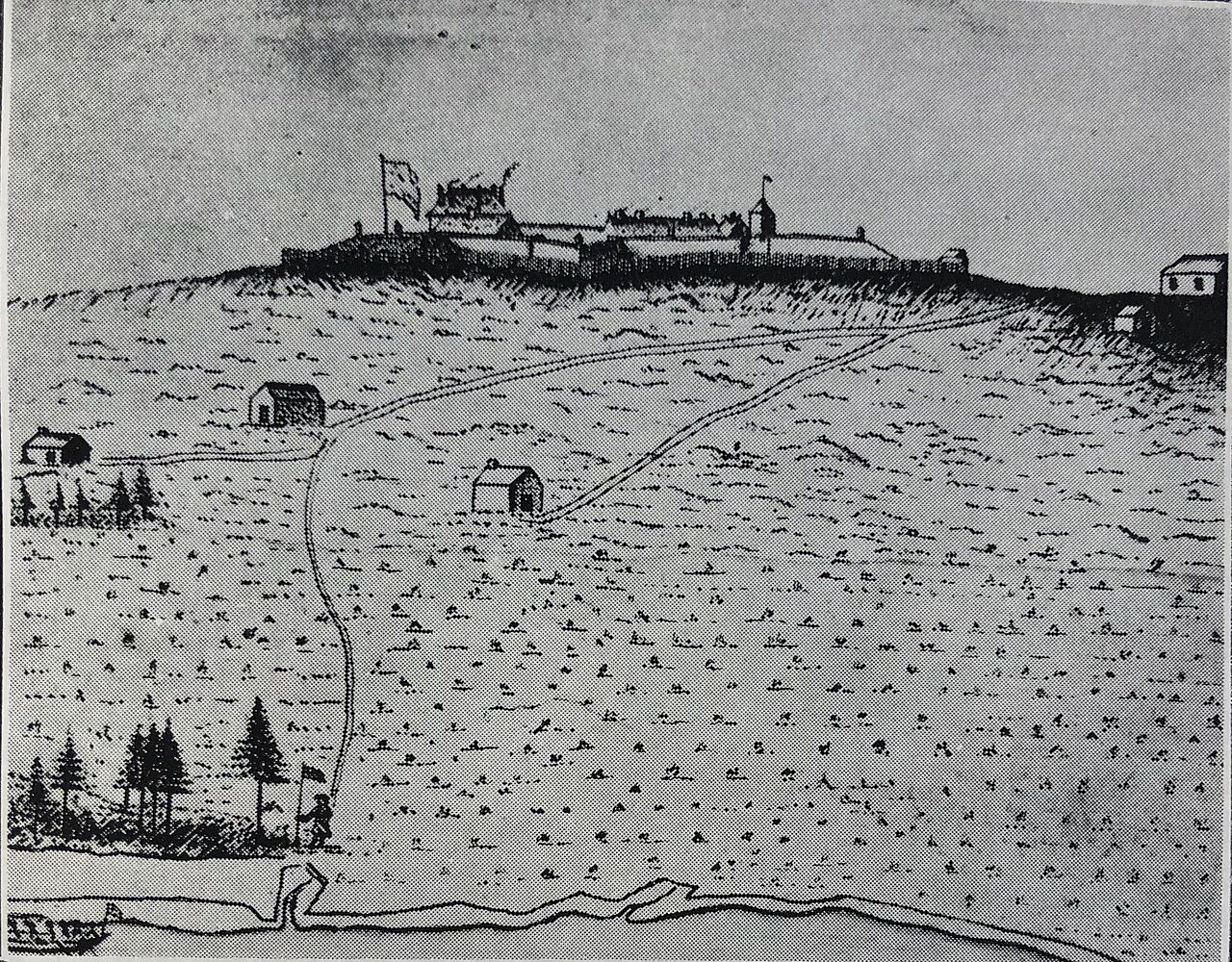 1755
Public domain or CC0, made before 1950, from Wikimedia Commons; old views of places can be drawings, prints or maps of their time. Each credit opens the image’s page.
How old
Westmorland’s dated places lean to the years of New France
Each place by the first construction date on its record.
New France before 17603
British North America 1760–18660
After Confederation 1867–19130
Wars and Depression 1914–19453
Since 1946 1946 on0
3 of the 6 dated places were built before Confederation.
The map
Where Westmorland’s history is
Every place on the registers inside the town, by its designation.
Highest designationsOther federal designations
Names show on hover, and a tap takes you to the place’s page.
The 6, by tier
4 Highest designations2 Other federal designations
Federal designations come from Parks Canada’s directory; a province’s or a council’s own listing shows here only when Wikidata holds it and an encyclopedia covers it.
Points from Wikidata (Parks Canada’s files carry none) and from Québec’s register, as mapped there.
Highest designations
4 places in Westmorland with the highest designation
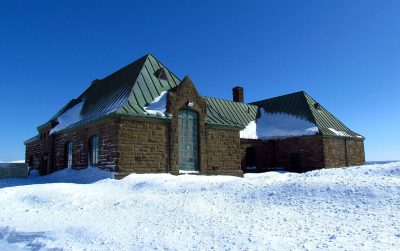
Here that means 3 National Historic Sites and a Classified Federal Heritage Building. National Historic Sites and Classified Federal Heritage Buildings, Canada’s highest federal recognition. Their dates run from 1676, with Tonge's Island, to 1936. Each one opens its own page.
 Top
National Historic Site · 1750–1752Fort Beauséjour — Fort Cumberland111 Fort Beauséjour RoadPhoto: Verne Equinox · CC BY-SA 3.0 · Commons file
 Top
National Historic Site · 1751Fort GaspareauxFort Moncton RoadPhoto: Verne Equinox · CC BY-SA 3.0 · Commons file
 Top
Classified Federal Heritage Building · 1936–1937Visitor Centre / MuseumPhoto: D. Gordon E. Robertson · CC BY-SA 3.0 · Commons file
Other federal designations
2 more federal designations in Westmorland
Recognized Federal Heritage Buildings, heritage railway stations and lighthouses. Their dates run from 1920, with Picnic Shelter / Pavilion, to 1927. Each one opens its own page.
Recognized Federal Heritage Building · 1920–1921Picnic Shelter / Pavilion
Recognized Federal Heritage Building · 1927–1928Picnic Shelter / Lodge
What’s designated
In Westmorland, theatres, museums and memorials lead the list (67%)
The second-largest group is forts and military buildings, with 2. Leading by designation: Tonge's Island and Fort Beauséjour — Fort Cumberland.
Theatres, museums and memorials4
Forts and military buildings2
Kinds read from each place’s name and the functions its register gives; a building keeps the kind it was built as.
Homes by age
41% of Westmorland’s homes were built before 1961
Westmorland built little from 2001 to 2015: 8.4% of its homes, where most towns have 15%. Homes built from 2016 to 2021 are 3.6% of Westmorland’s, about the typical 4.1%. Few of Westmorland’s homes date from 1981 to 2000: 18%, the norm 23%.
41%
Before 1961
25%
1961–80
18%
1981–2000
8.4%
2001–15
3.6%
2016–21
WestmorlandTypical town
2021 Census, private dwellings by period of construction (Statistics Canada); the typical town is the middle Canadian town of 2,500 or more.
Born here
1839 to 1892: the people Westmorland gave its past
4 Wikipedias cover Albert Desbrisay Carter, the most of anyone here. Counting only births before 1914, there are 5. Most of them, 4 of 5, came into the world in the decades after Confederation. Medley G. Siddall lived longest, to 89, dying in 1964.
Stephen Tingley
Fred Magee
Medley G. Siddall
Merville A. Oulton
Albert Desbrisay Carter
1800182518501875190019251950
AC
Albert Desbrisay Carter1892–1919 · Canadian flying ace
ST
Stephen Tingley1839–1915 · Canadian businessman
MO
Merville A. Oulton1888–1953 · Canadian politician
FM
Fred Magee1875–1952 · Canadian politician and businessman
MS
Medley G. Siddall1875–1964 · Politician
Everyone born in Westmorland → Born before 1914 (the page’s periods: Confederation to the First World War). Birthplaces from Wikidata, each checked against the person’s Wikipedia article.
Neighbours
Westmorland and its neighbours
| Town | People | Places | Highest | Oldest |
|---|---|---|---|---|
| Westmorland | 1,060 | 6 | 4 | 1676 |
| Cumberland County, Subdivision C | 6,040 | 5 | 3 | 1671 |
| Botsford | 1,240 | 1 | 0 | 1869 |
In brief
Westmorland in brief
Older stock first: 41% of homes in Westmorland were standing by 1961, against 18% in the typical town. Together that makes 6 historic places, 4 with the highest designation, led by Tonge's Island. 3 of the 6 dated places belong to the years of New France. Albert Desbrisay Carter (1892), Stephen Tingley (1839) and Merville A. Oulton (1888) are the best known of its historic lives. The other figures are unremarkable: the list grew between 1920 and 1996.
How to read these numbers
What this data can and can’t tell you
- People and events. Persons of national historic significance come with no location; a town gets one only by birthplace (name and both life years agreeing) or by one of its own places that bears the name and whose record tells the story. Events, which can’t be tied, are left out.
- Protection. National historic designation honours a place but binds only federal owners; a private building’s protection depends on its province or municipality.
- Provincial and municipal lists. Only Wikidata gives open access to listings on provincial and municipal registers outside Québec; without an article such a place is counted but not paged.
- Map points. Where a federal place sits on the map is Wikidata’s placing; the directory itself has no coordinates.
- The tiers. Three tiers: the top for National Historic Sites, classified federal buildings and Québec’s classements, a second for the other federal designations, a third for provincial and municipal listings.
- The federal register. Federal places come from Parks Canada’s directory, which counts National Historic Sites, federal heritage buildings, stations and lighthouses; their statements are the register’s own.
- The grade. History is described, not graded, for every Canadian town.
Questions about Westmorland’s history
What is the oldest building in Westmorland?
Tonge's Island (National Historic Site): the first construction date on its record is 1676.
How old are the homes in Westmorland?
The 2021 Census dates 41% of its homes before 1961 (18% in the typical town).
Which places in Westmorland have the highest designation?
Tonge's Island, Fort Beauséjour — Fort Cumberland, Fort Gaspareaux and Visitor Centre / Museum.
Contains information licensed under the Open Government Licence – Canada (Parks Canada).
Sources: Parks Canada, Directory of Federal Heritage Designations · Canadian Register of Historic Places (federal extract) · Wikidata (CC0) for map points, other names and articles · Statistics Canada, 2021 Census (homes by period of construction). Under the Statistics Canada Open Licence.
Adapted from Statistics Canada (Census of Population 2021, population estimates 2025, 2021 census boundaries) under the Statistics Canada Open Licence; this does not constitute an endorsement by Statistics Canada. Neighbourhood names in some cities © OpenStreetMap contributors (ODbL).