 Top
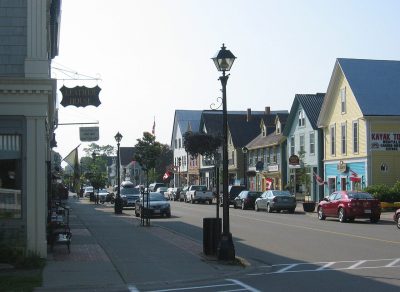
National Historic Site · 1784–2008St. Andrews Historic DistrictHarriet, Prince of Wales, Patrick and Augustus StreetsPhoto: Skeezix1000 · CC BY-SA 3.0 · Commons file
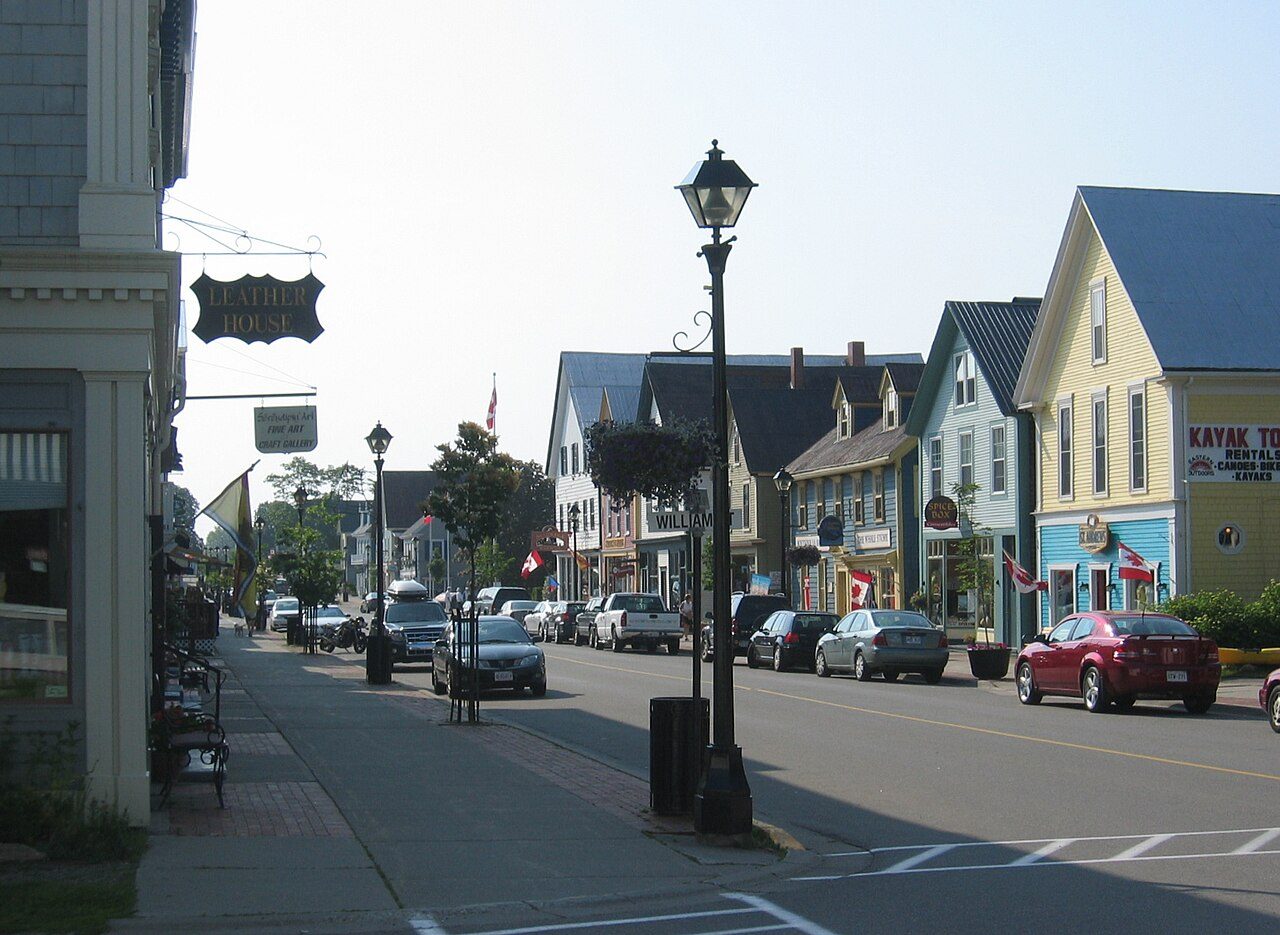 St. Andrews Historic District · Photo: Skeezix1000 · CC BY-SA 3.0
9historic places on the registers
History of Saint Andrews · Canada’s heritage registers
Saint Andrews’s oldest designated place, St. Andrews Historic District, dates from 1784
The typical town has 18% of its homes from before 1961; Saint Andrews has 42%. Canada’s heritage registers list 9 historic places inside the town, 4 with the highest designation. Among the places are 3 provincial or municipal listings and 2 Recognized Federal Heritage Buildings. Wikidata’s date for the municipality is 1833; it may record a founding, an incorporation or an amalgamation.
Historic places
9
Highest designations
4
National Historic Sites and Classified Federal Heritage Buildings
Other federal designations
2
Recognized buildings, railway stations, lighthouses
Provincial and local listings
3
provincial and municipal listings with an encyclopedia article
Oldest building
1784
the first construction date on its record
Homes built before 1961
42%
typical town: 18%
In pictures
All 4 top-tier places in Saint Andrews, pictured
First come St. Andrews Historic District and St. Andrews Blockhouse. 6 designated places in Saint Andrews have a photo. Open a place’s page for its old views: 4 places in Saint Andrews have them.
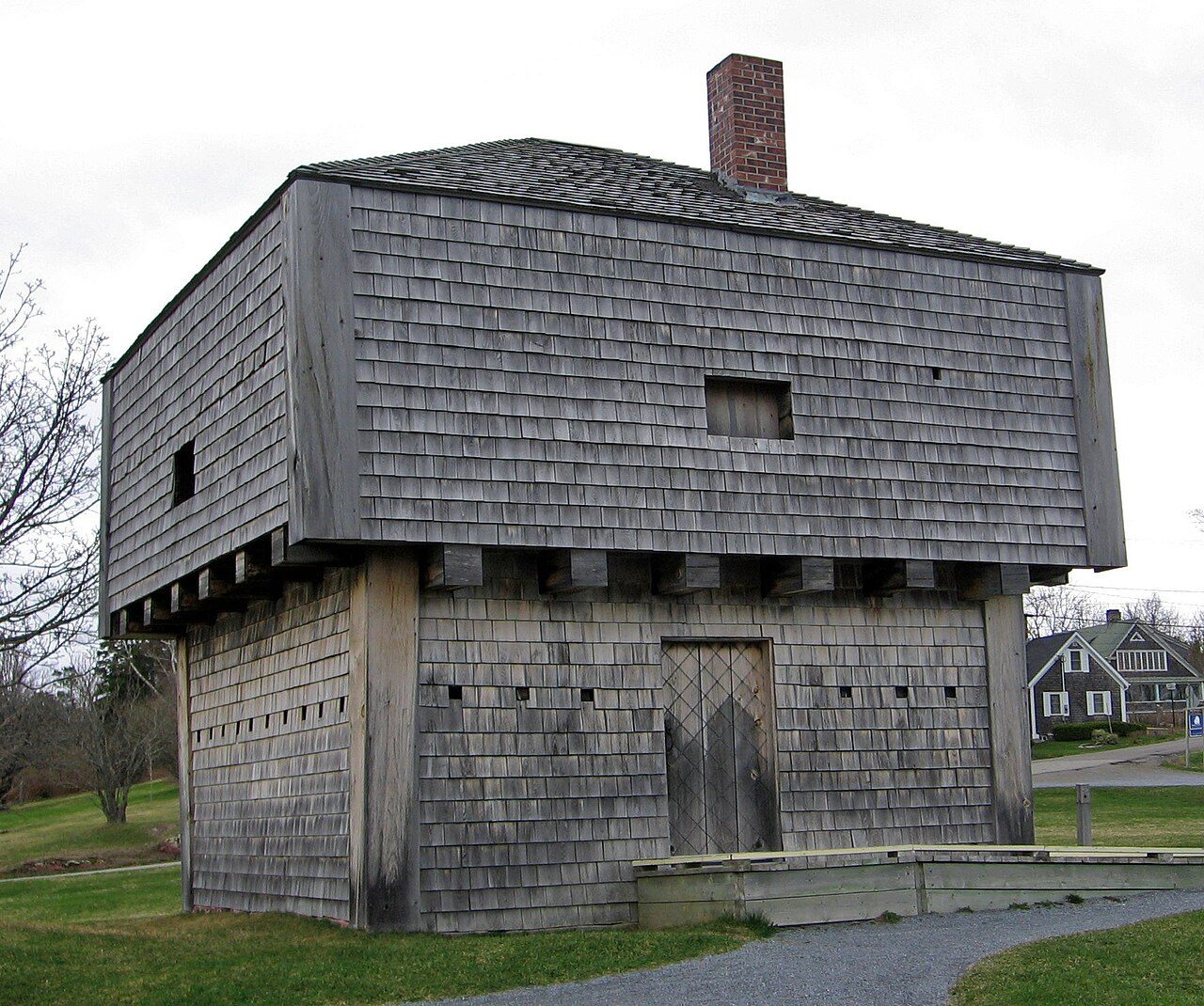 St. Andrews Blockhouse
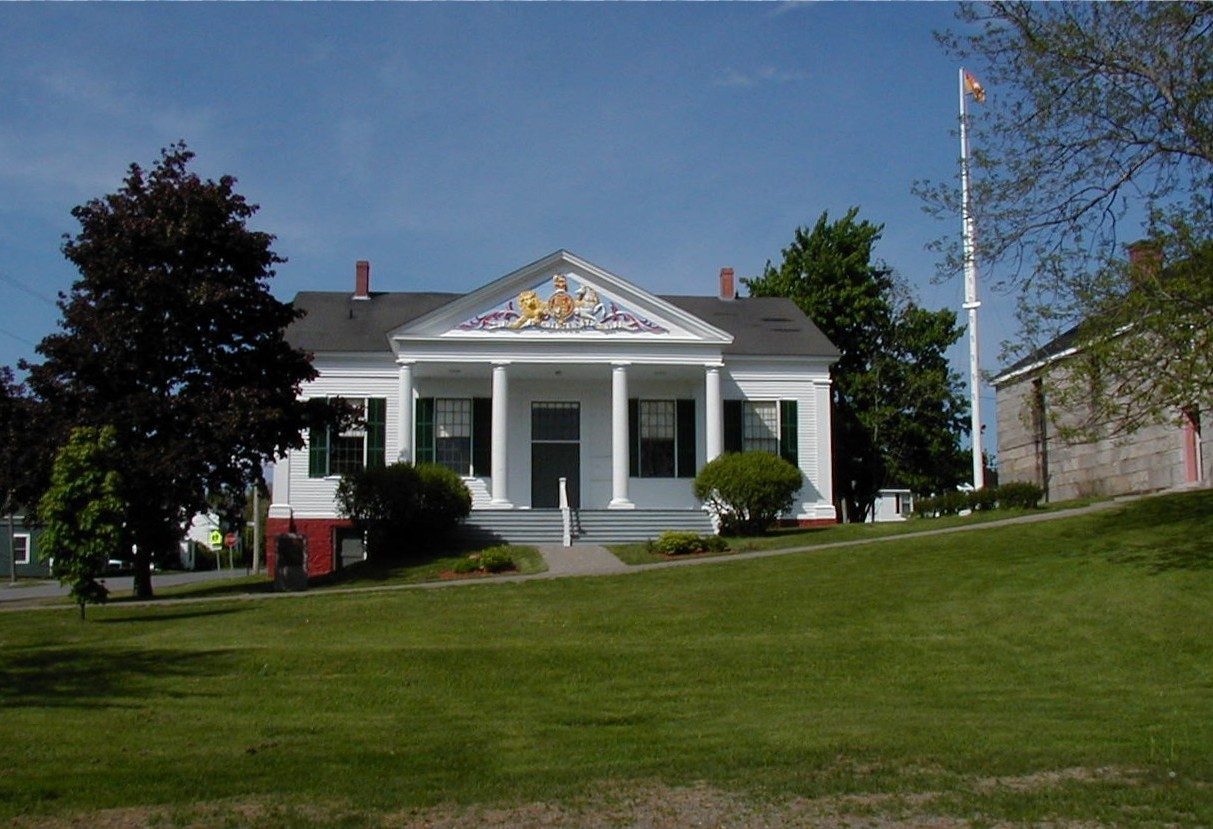 Charlotte County Court House
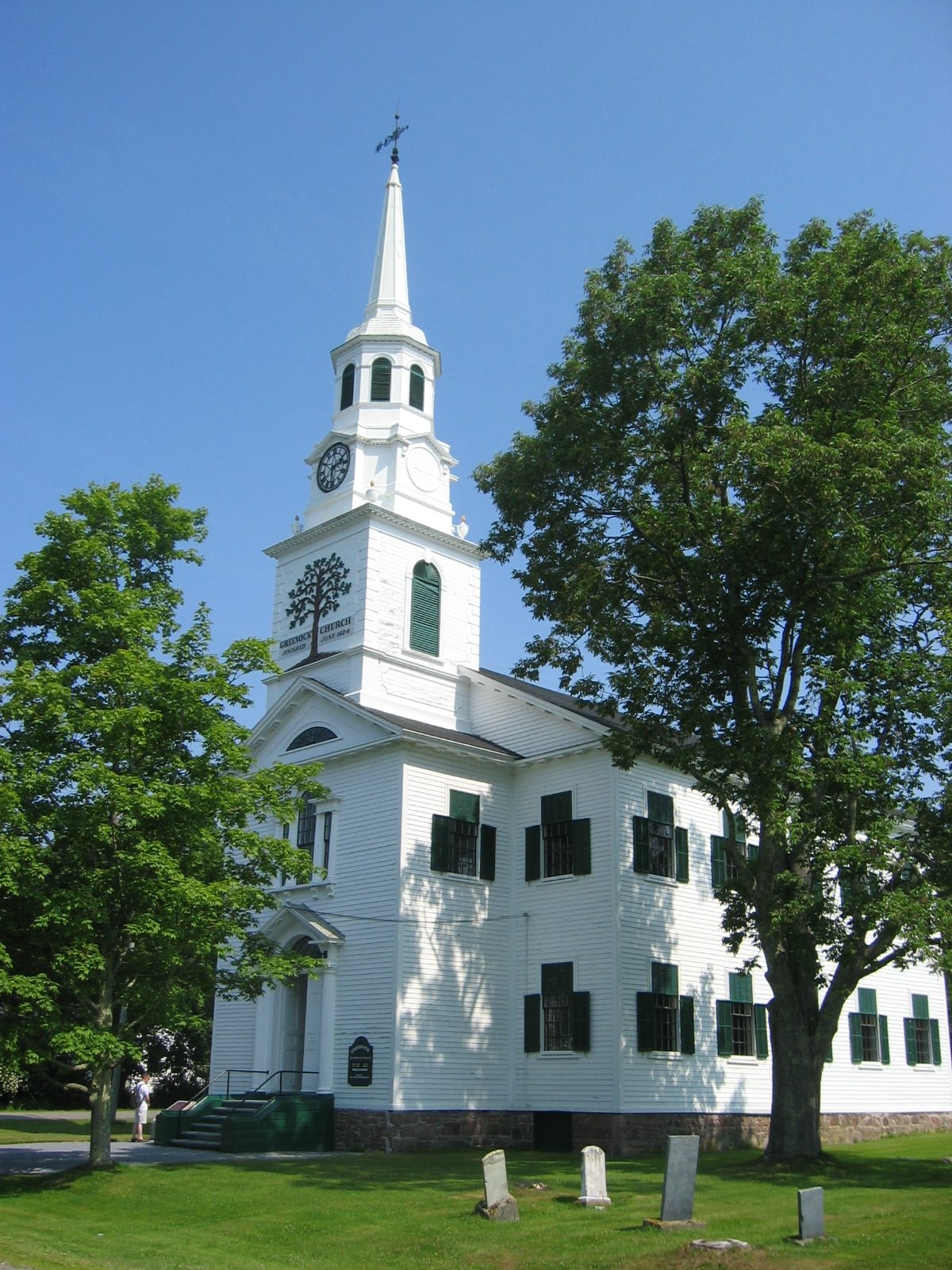 Greenock Church
 Ross Memorial Museum
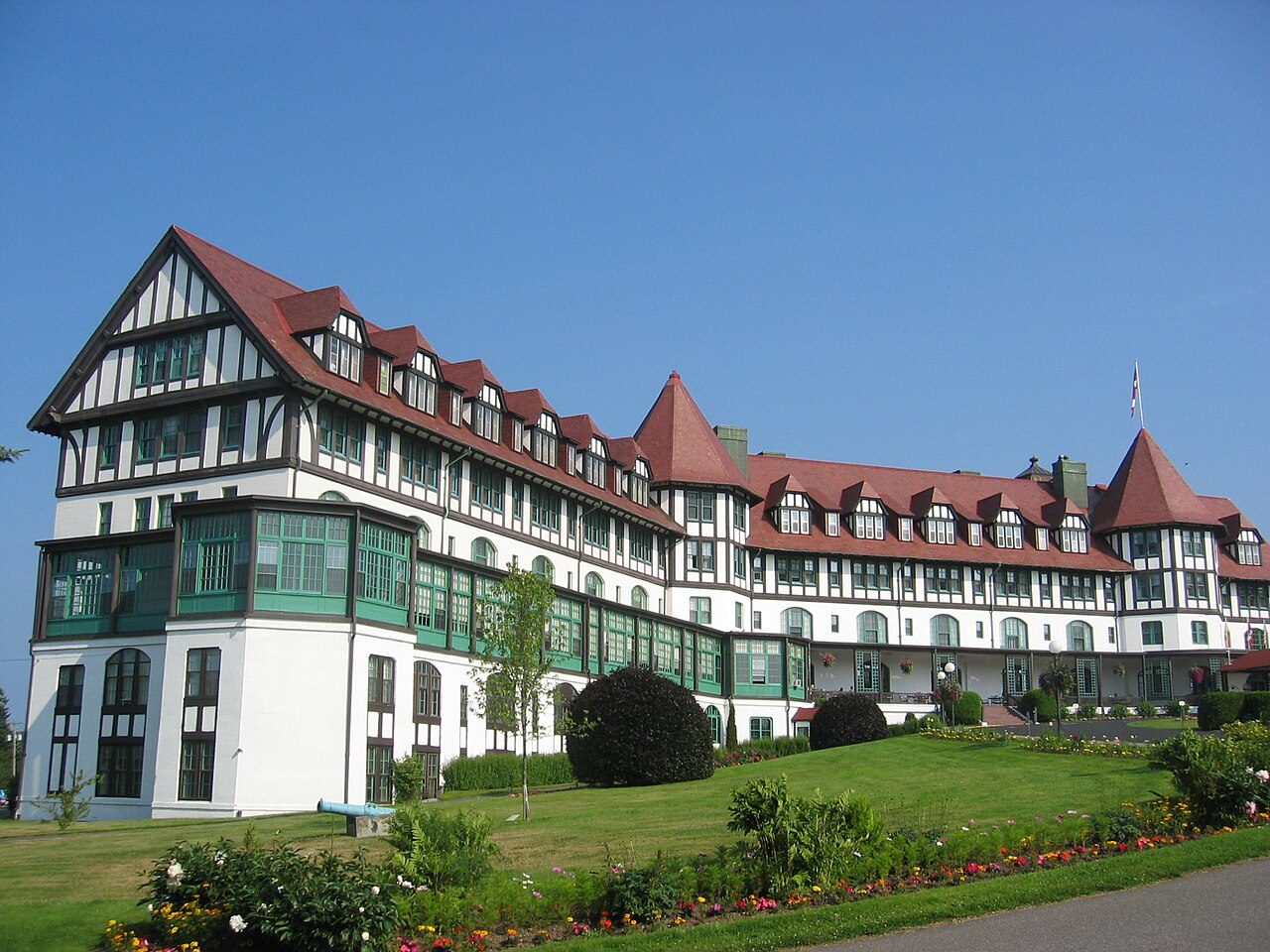 The Algonquin Resort+1See all photos
Photos from Wikimedia Commons, each credited to its photographer with its licence; names open the place’s page. Tap a photo to step through them full screen.
Through time
1887–1930: Saint Andrews in old pictures
In order of date: 6 old photographs of the town, then the oldest views of 4 of its historic places. Tap any picture to see it full screen.
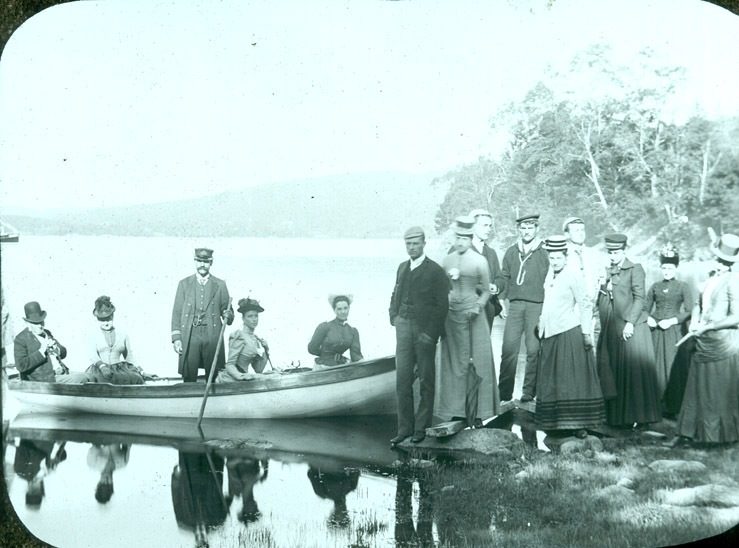 1887
 c. 1895
 c. 1895
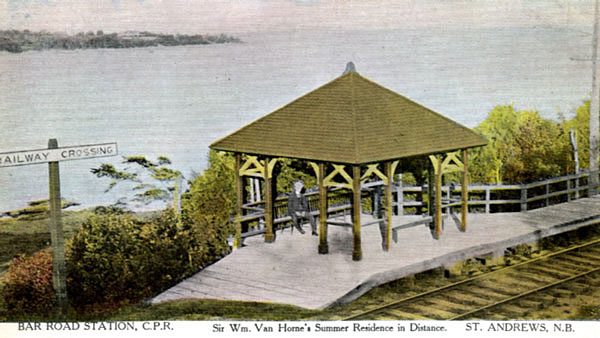 1900
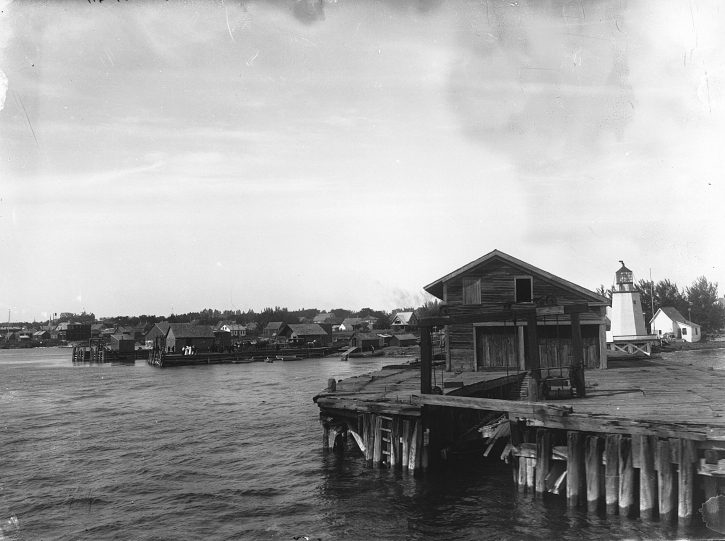 1906
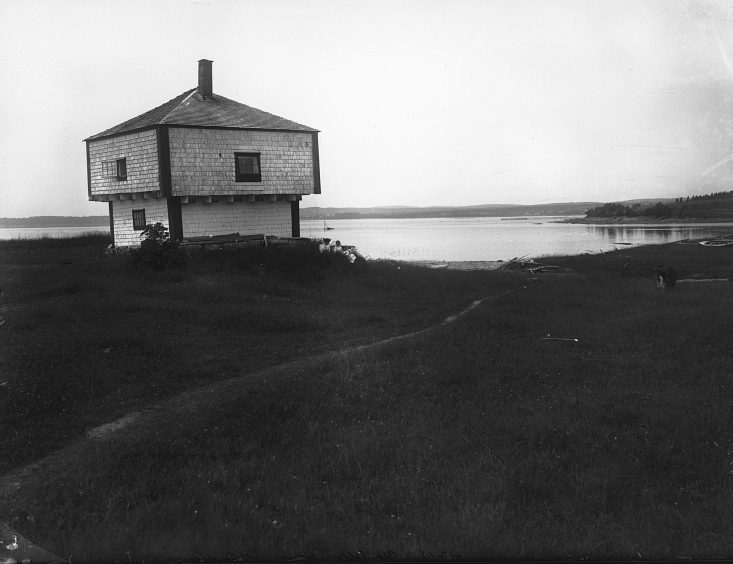 1906
 c. 1909
 1910
 c. 1915
 1930
Public domain or CC0, made before 1950, from Wikimedia Commons; old views of places can be drawings, prints or maps of their time. Each credit opens the image’s page.
How old
Saint Andrews’s dated places lean to the years before Confederation
Each place by the first construction date on its record.
British North America 1760–18664
After Confederation 1867–19131
Wars and Depression 1914–19452
Since 1946 1946 on1
4 of the 8 dated places were built before Confederation.
The map
Where Saint Andrews’s history is
Every place on the registers inside the town, by its designation.
Highest designationsOther federal designationsProvincial and local listings400 m from Charlotte County Court House
3 of 4within 400 m of Charlotte County Court House, the heart of the town’s history
Dots open their places’ pages; hover first to read the name.
The 9, by tier
4 Highest designations2 Other federal designations3 Provincial and local listings
Federal designations come from Parks Canada’s directory; a province’s or a council’s own listing shows here only when Wikidata holds it and an encyclopedia covers it.
Points from Wikidata (Parks Canada’s files carry none) and from Québec’s register, as mapped there. One place, placed by its register’s municipality, has no point and isn’t on the map.
Highest designations
4 places in Saint Andrews with the highest designation
The first was designated in 1962, the latest in 1995. National Historic Sites and Classified Federal Heritage Buildings, Canada’s highest federal recognition. They date from 1784 (St. Andrews Historic District) to 1832. Each one opens its own page.
 Top
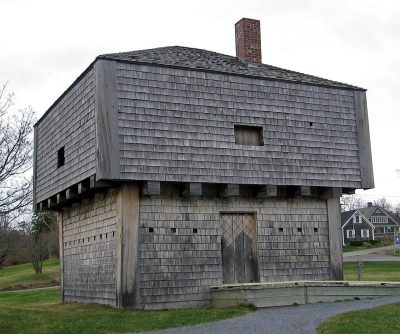
National Historic Site · 1812–1814St. Andrews Blockhouse23 Joes Point RoadPhoto: GarrettRock · CC BY-SA 3.0 · Commons file
 Top
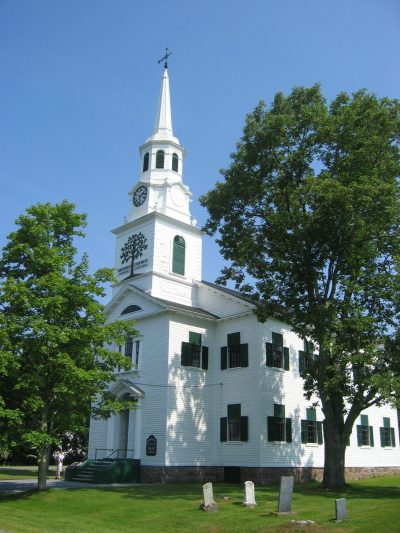
National Historic Site · 1821–1825Greenock Church134 Montague StreetPhoto: Skeezix1000 · CC BY-SA 3.0 · Commons file
 Top
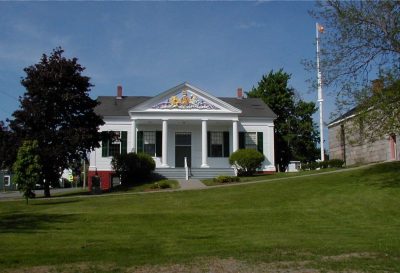
National Historic Site · 1832–1837Charlotte County Court House123A Frederick StreetPhoto: Colincan · CC BY-SA 3.0 · Commons file
Other federal designations
2 other places Canada recognizes in Saint Andrews
Recognized Federal Heritage Buildings, heritage railway stations and lighthouses. Cottage 1 and Cottage N° 2 lead the list. Each one opens its own page.
Recognized Federal Heritage Building · 1916–1917Cottage 1Brandy Cove Road
Recognized Federal Heritage Building · 1916–1917Cottage N° 2Brandy Cove Road
What’s designated
In Saint Andrews, public buildings and houses are level at 2 each
All told, 7 kinds of place appear. The first by rank are St. Andrews Historic District and St. Andrews Blockhouse.
Public buildings2
Houses2
Churches and religious buildings1
Theatres, museums and memorials1
Forts and military buildings1
Mills, shops and works1
Other places1
Kinds read from each place’s name and the functions its register gives; a building keeps the kind it was built as.
Provincial and local listings
3 more places Saint Andrews or its province protects
Provincial and municipal listings that Wikidata records and an encyclopedia describes. They date from 1889 (The Algonquin Resort) to 1980. Each one opens its own page.
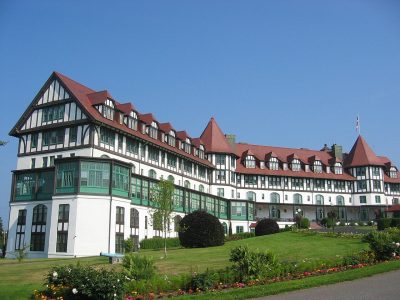 Local
 Local
Just outside
Just outside Saint Andrews
Places the registers give to the town from within 5 km of its edge, nearest first.
Just outside Saint Andrews: 2
| Minister's Island Pre-contact SitesNational Historic Site · 900 m outside the town |
| Minister's IslandNational Historic Site · 1.3 km outside the town |
Homes by age
Saint Andrews is still building: 6.5% of homes date from 2016 to 2021, against 4.1%
Over half of the homes in Saint Andrews were already standing by 1981. Few of Saint Andrews’s homes date from 1961 to 1980: 20%, the norm 27%. 20% of Saint Andrews’s homes were built from 1981 to 2000, close to the typical town’s 23%.
42%
Before 1961
20%
1961–80
20%
1981–2000
12%
2001–15
6.5%
2016–21
Saint AndrewsTypical town
2021 Census, private dwellings by period of construction (Statistics Canada); the typical town is the middle Canadian town of 2,500 or more.
Born here
9 people born in Saint Andrews before 1914
Edward Mitchell Bannister is the most written about, in 20 languages. 5 of the 9 were born in the years before Confederation. In 1803 came the earliest, Thomas Storrow Brown. Longest lived was R. Fraser Armstrong, 94 years in all (1983).
Thomas Storrow Brown
Edward Mitchell Bannister
Benjamin Robert Stephenson
John Treadwell
George Johnson Clarke
Colborne Meredith
R. Fraser Armstrong
R. Fraser Keay
Leigh Williamson
1800182518501875190019251950
EB
Edward Mitchell Bannister1828–1901 · Black Canadian-American visual artist
TB
Thomas Storrow Brown1803–1888 · Canadian writer and revolutionary
GC
George Johnson Clarke1857–1917 · Canadian politician
BS
Benjamin Robert Stephenson1835–1890 · Canadian politician
RA
R. Fraser Armstrong1889–1983 · Canadian engineer
CM
Colborne Meredith1874–1967 · Canadian architect
JT
John Treadwell1842–1927 · Canadian miner
RK
R. Fraser Keay1900–1963 · Canadian politician
Everyone born in Saint Andrews → Born before 1914 (the page’s periods: Confederation to the First World War). Birthplaces from Wikidata, each checked against the person’s Wikipedia article.
Neighbours
Saint Andrews and its neighbours
| Town | People | Places | Highest | Oldest |
|---|---|---|---|---|
| Saint Andrews | 2,167 | 9 | 4 | 1784 |
| Saint George | 2,675 | 0 | 0 | — |
| St. George | 1,757 | 0 | 0 | — |
In brief
Saint Andrews in brief
The pre-1961 share of Saint Andrews’s homes is 42%, against 18% in the typical town. There are 9 historic places in all, 4 with the highest designation; St. Andrews Historic District heads them. Its places of the highest designation cluster together: 3 of them stand within 400 m of Charlotte County Court House.
Dates cluster in the years before Confederation: 4 of 8. Edward Mitchell Bannister (1828), Thomas Storrow Brown (1803) and George Johnson Clarke (1857) lead its people of the past. The rest is about typical: the designations ran from 1962 to 1998.
How to read these numbers
What this data can and can’t tell you
- The federal register. The federal list is complete and open: Parks Canada’s directory for the designations, the Canadian Register of Historic Places for what each one is and why it matters.
- Protection. Federal recognition isn’t a planning control: buildings the federal government owns follow its heritage policy, while others are protected only by a provincial or municipal designation.
- Map points. Where a federal place sits on the map is Wikidata’s placing; the directory itself has no coordinates.
- The grade. History is described, not graded, for every Canadian town.
- Provincial and municipal lists. The local and provincial lists outside Québec aren’t published openly, so this page counts what Wikidata records and pages only the places an encyclopedia describes.
- People and events. National historic persons carry no place in the open file. They appear on a town’s page when born there (same name, same birth and death years) or when a historic place inside it carries their name and its record names them with their dates; national historic events don’t appear.
- The tiers. Three tiers: the top for National Historic Sites, classified federal buildings and Québec’s classements, a second for the other federal designations, a third for provincial and municipal listings.
Questions about Saint Andrews’s history
What is the oldest building in Saint Andrews?
St. Andrews Historic District, a National Historic Site, begun in 1784.
How old are the homes in Saint Andrews?
42% of its homes were built before 1961, against 18% in the typical Canadian town.
Which places in Saint Andrews have the highest designation?
These: St. Andrews Historic District, St. Andrews Blockhouse, Greenock Church and Charlotte County Court House.
Why might a heritage building in Saint Andrews be missing here?
Its province’s and council’s own lists can’t be reused here; 111 further listings in Saint Andrews show up only as Wikidata numbers.
Contains information licensed under the Open Government Licence – Canada (Parks Canada).
Sources: Parks Canada, Directory of Federal Heritage Designations · Canadian Register of Historic Places (federal extract) · Wikidata (CC0) for map points, other names and articles · Statistics Canada, 2021 Census (homes by period of construction). Under the Statistics Canada Open Licence.
Adapted from Statistics Canada (Census of Population 2021, population estimates 2025, 2021 census boundaries) under the Statistics Canada Open Licence; this does not constitute an endorsement by Statistics Canada. Neighbourhood names in some cities © OpenStreetMap contributors (ODbL).