 Top
National Historic Site · 1881–1910Kicking Horse PassHighway 1 - Trans-Canada HighwayPhoto: Royalbroil · CC BY-SA 3.0 · Commons file
 Cave and Basin · Photo: Sovernigo · CC BY-SA 4.0
30historic places on the registers
History of Improvement District No. 9 Banff · Canada’s heritage registers
30 historic places in Improvement District No. 9 Banff, 10 of them top designations
The list takes in 18 Recognized Federal Heritage Buildings, a heritage railway station and a provincial or municipal listing. Of the dated places, Kicking Horse Pass is the oldest, from 1881. Its housing is mostly newer: 7.4% predates 1961, where the typical town has 18%.
Historic places
30
Highest designations
10
National Historic Sites and Classified Federal Heritage Buildings
Other federal designations
19
Recognized buildings, railway stations, lighthouses
Provincial and local listings
1
provincial and municipal listings with an encyclopedia article
Oldest building
1881
the first construction date on its record
Homes built before 1961
7.4%
typical town: 18%
In pictures
Then and today: Improvement District No. 9 Banff in 19 photos and 2 old pictures
Up first are Cave and Basin and Kicking Horse Pass. Of the places on Improvement District No. 9 Banff’s registers, 19 have a photo here. Open a place’s page for its old views: 2 places in Improvement District No. 9 Banff have them.
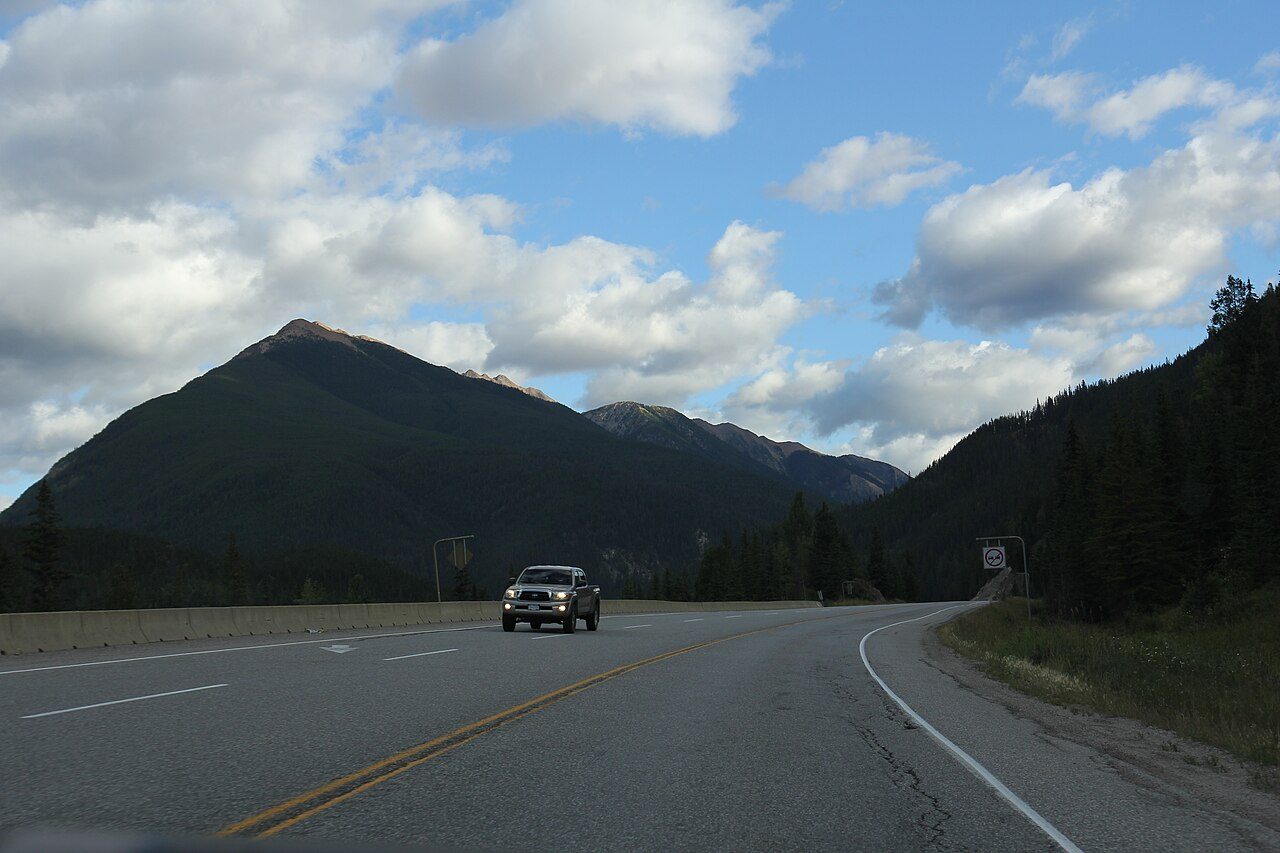 Kicking Horse Pass
 Cave and Basin Bathing Pavilion
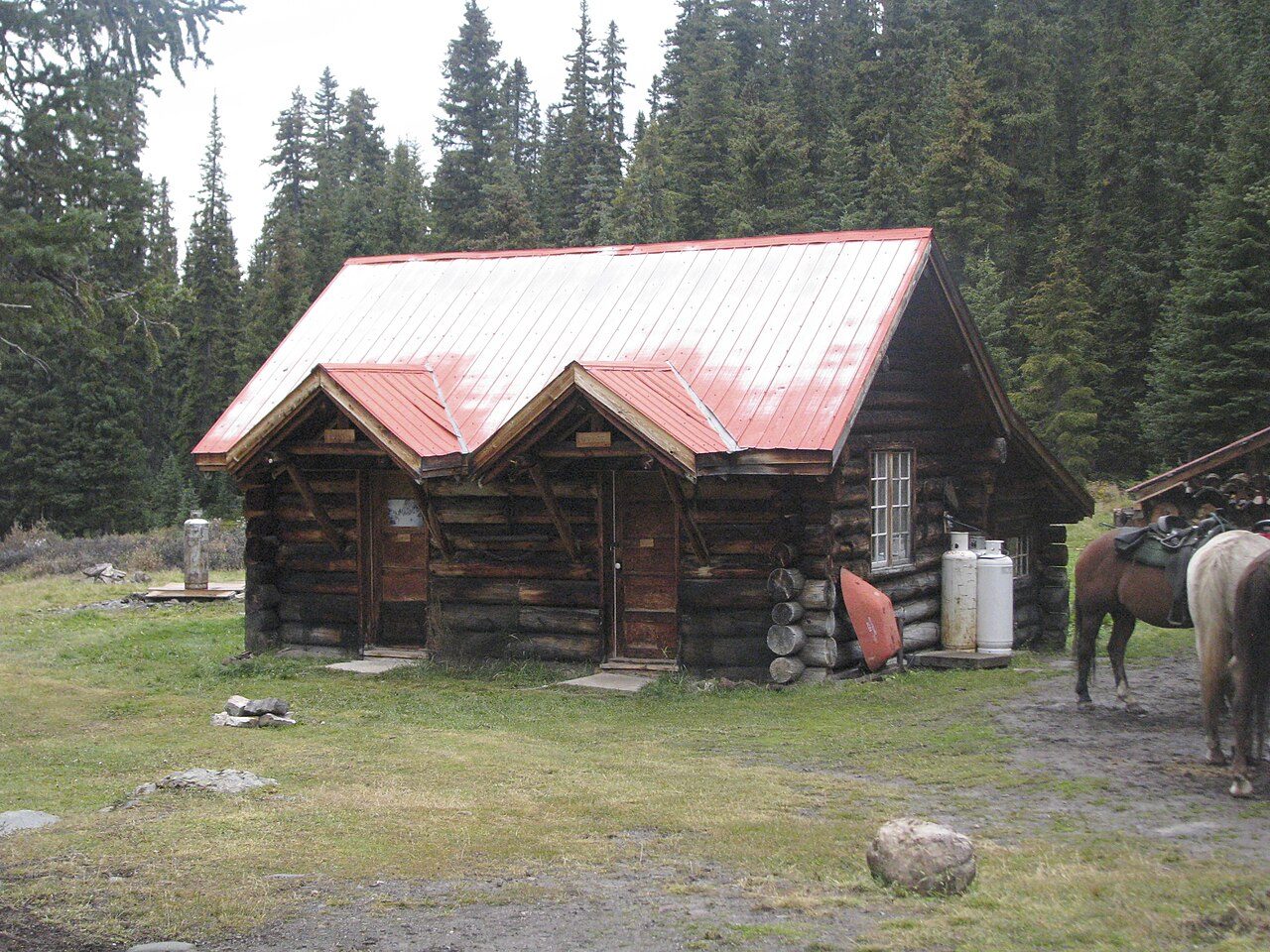 Former Bathhouse
 Bunkhouse
 Creek Cabin+14See all photos
Photos from Wikimedia Commons, each credited to its photographer with its licence; names open the place’s page. Tap a photo to step through them full screen.
Through time
Improvement District No. 9 Banff between 1887 and 1910
The oldest views of 2 of its historic places, from oldest to latest. A tap on any picture opens it with its credit.
 1887
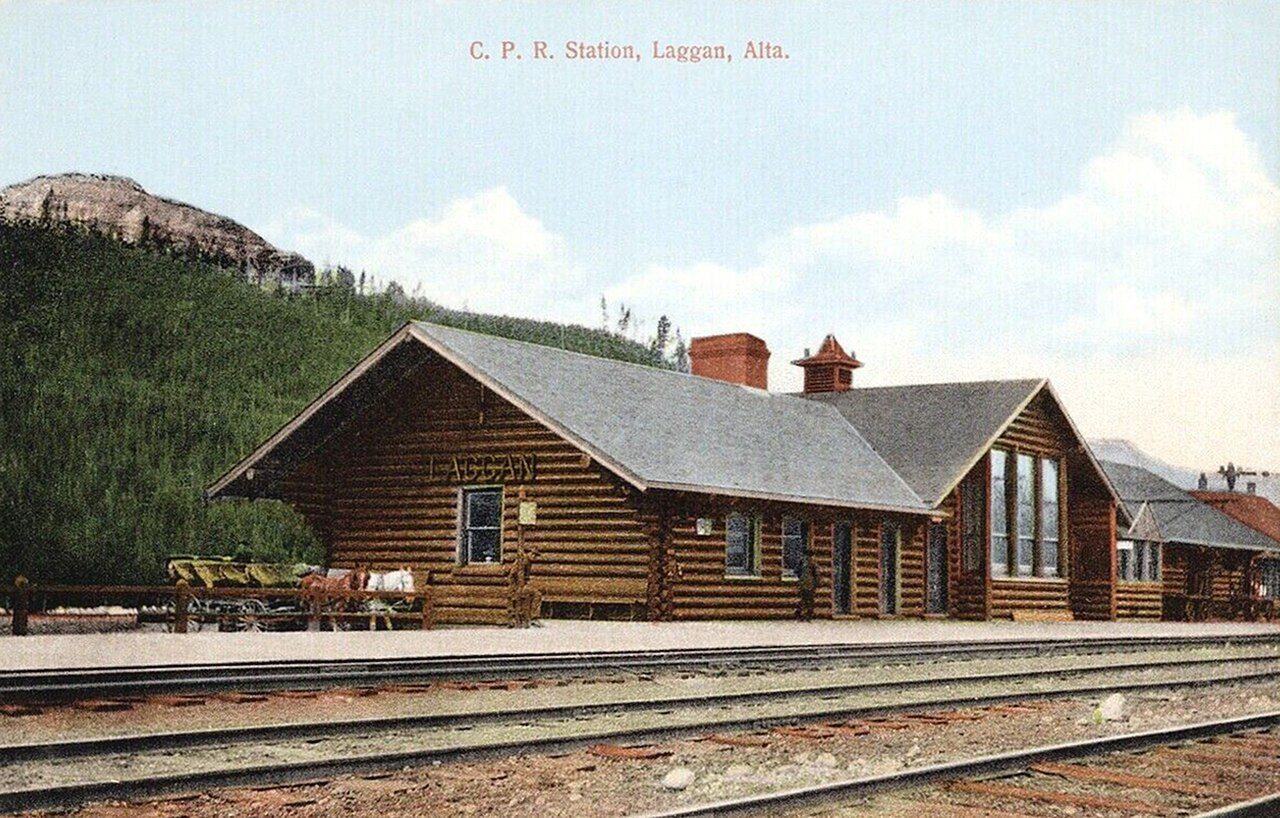 c. 1910
Public domain or CC0, made before 1950, from Wikimedia Commons; old views of places can be drawings, prints or maps of their time. Each credit opens the image’s page.
The map
Where Improvement District No. 9 Banff’s history is
Every place on the registers inside the town, by its designation.
Highest designationsOther federal designationsProvincial and local listings400 m from Bunkhouse
6 of 10within 400 m of Bunkhouse, the heart of the town’s history
Hover a dot for its name; tap one to open its page.
The 30, by tier
10 Highest designations19 Other federal designations1 Provincial and local listings
Most entries are federal, from Parks Canada’s Directory of Federal Heritage Designations; local listings outside Québec are known only through Wikidata items with an article.
Points from Wikidata (Parks Canada’s files carry none) and from Québec’s register, as mapped there.
Highest designations
10 places in Improvement District No. 9 Banff with the highest designation
The oldest, Kicking Horse Pass, dates from 1881; the newest from 1956. They are 7 Classified Federal Heritage Buildings and 3 National Historic Sites. National Historic Sites and Classified Federal Heritage Buildings, Canada’s highest federal recognition. Each one opens its own page.
 Top
National Historic Site · 1883Cave and Basin311 Cave AvenuePhoto: Sovernigo · CC BY-SA 4.0 · Commons file
 Top
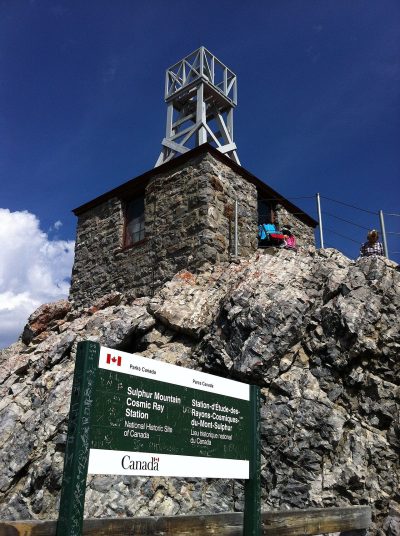
National Historic Site · 1956–1958Sulphur Mountain Cosmic Ray StationPhoto: Chris Short · CC BY-SA 3.0 · Commons file
 Top
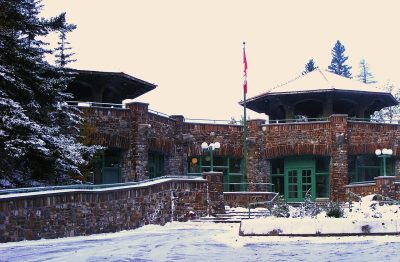
Classified Federal Heritage Building · 1912–1915Cave and Basin Bathing PavilionPhoto: Diannaa · CC BY-SA 3.0 · Commons file
 Top
Classified Federal Heritage Building · 1930–1931Main BuildingPhoto: Odysseus1479 · CC BY-SA 3.0 · Commons file
 Top
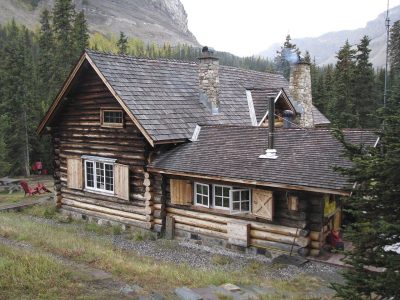
Classified Federal Heritage Building · 1932–1933Honeymoon CabinPhoto: Odysseus1479 · CC BY-SA 3.0 · Commons file
 Top
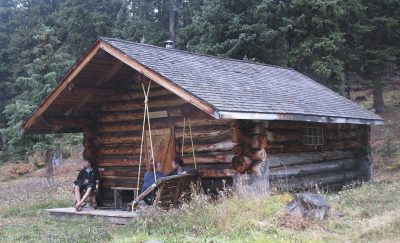
Classified Federal Heritage Building · 1932–1933Wolverine CabinPhoto: Odysseus1479 · CC BY-SA 3.0 · Commons file
 Top
Classified Federal Heritage Building · 1936–1937BunkhousePhoto: Odysseus1479 · CC BY-SA 3.0 · Commons file
 Top
Classified Federal Heritage Building · 1936–1937Creek CabinPhoto: Odysseus1479 · CC BY-SA 3.0 · Commons file
 Top
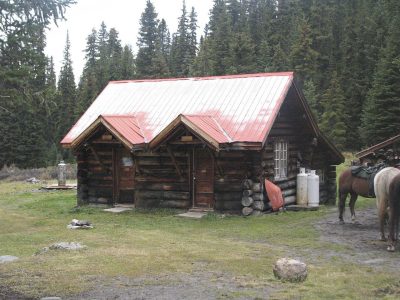
Classified Federal Heritage Building · 1936–1937Former BathhousePhoto: Odysseus1479 · CC BY-SA 3.0 · Commons file
Other federal designations
19 other places Canada recognizes in Improvement District No. 9 Banff
They were designated between 1985 and 2000. Here that means 18 Recognized Federal Heritage Buildings and a heritage railway station. Recognized Federal Heritage Buildings, heritage railway stations and lighthouses. Each one opens its own page.
All 19, A to Z
Bryant Creek Warden CabinCamp Parker Warden CabinCanadian Pacific Railway Station, Lake Louise, AlbertaClearwater Lakes Warden CabinCuthead Warden CabinDivide Warden CabinEast Gate Registration Buildings, Building 1East Gate Registration Buildings, Building 2East Gate Registration Buildings, Building 3Egypt Lakes Warden CabinFortune Warden CabinHalfway HutMedicine Tent Warden CabinSandhills Wardens CabinSaskatchewan Crossing Warden’s Residence No. 1Upper Hot Pool ResidenceUpper Hot Springs Bath HouseWardens CabinWindy Lodge Warden Cabin
What’s designated
Improvement District No. 9 Banff’s record leans to theatres, museums and memorials: 40%
The list spans 6 kinds of place. Second on the list: houses, 8 of them. Leading by designation: Kicking Horse Pass and Cave and Basin.
Theatres, museums and memorials12
Houses8
Stations, lighthouses and bridges2
Mills, shops and works2
Forts and military buildings1
Other places5
Grouped by what each register says the place is or was; a converted building counts as what it was built for.
Provincial and local listings
One local listing in Improvement District No. 9 Banff
Provincial and municipal listings that Wikidata records and an encyclopedia describes. Each one opens its own page.
 Local
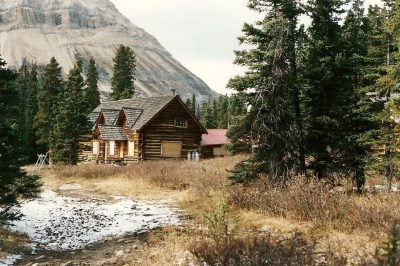
National historic site of CanadaSkoki Ski LodgePhoto: jockrutherford from Owen Sound, ON · CC BY-SA 2.0 · Commons file
How old
Most of Improvement District No. 9 Banff’s dated places come from the wars and the Depression
Each place by the first construction date on its record.
British North America 1760–18660
After Confederation 1867–19134
Wars and Depression 1914–194520
Since 1946 1946 on5
When designated
Improvement District No. 9 Banff on the registers since 1971
The places by the year of their designation.
1997 · 8
1960198020002020
It began with Kicking Horse Pass in 1971. In 1997 alone, 8 were designated. No place here has been designated since 2011.
Homes by age
Improvement District No. 9 Banff added no homes from 2016 to 2021, where most towns have 4.1%
Few of Improvement District No. 9 Banff’s homes date from 1961 to 1980: 19%, the norm 27%. Improvement District No. 9 Banff has an unusual share of homes built from 1981 to 2000: 48%, where most towns have 23%. 22% of Improvement District No. 9 Banff’s homes were built from 2001 to 2015, more than the typical town’s 15%.
7.4%
Before 1961
19%
1961–80
48%
1981–2000
22%
2001–15
0%
2016–21
Improvement District No. 9 BanffTypical town
2021 Census, private dwellings by period of construction (Statistics Canada); the typical town is the middle Canadian town of 2,500 or more.
In brief
Improvement District No. 9 Banff in brief
The registers count 30 historic places in Improvement District No. 9 Banff, 10 with the highest designation, Kicking Horse Pass first. Around Bunkhouse, 6 of the places of the highest designation lie within 400 m. Of the 29 with a date, 20 come from the wars and the Depression. Pre-1961 homes are a small part of its stock: 7.4%, against 18% in the typical town.
How to read these numbers
What this data can and can’t tell you
- Map points. Pins for federal places come from Wikidata rather than Parks Canada, which gives no points.
- Provincial and municipal lists. The local and provincial lists outside Québec aren’t published openly, so this page counts what Wikidata records and pages only the places an encyclopedia describes.
- People and events. Persons of national historic significance come with no location; a town gets one only by birthplace (name and both life years agreeing) or by one of its own places that bears the name and whose record tells the story. Events, which can’t be tied, are left out.
- The federal register. Federal places come from Parks Canada’s directory, which counts National Historic Sites, federal heritage buildings, stations and lighthouses; their statements are the register’s own.
- The tiers. The highest designations are National Historic Sites, Classified Federal Heritage Buildings and Québec’s classements; then come the other federal designations; then provincial and local listings.
- Protection. Federal recognition isn’t a planning control: buildings the federal government owns follow its heritage policy, while others are protected only by a provincial or municipal designation.
- The grade. This page gives no grade; history doesn’t count toward a Canadian town’s letter.
Questions about Improvement District No. 9 Banff’s history
Which places in Improvement District No. 9 Banff have the highest designation?
Kicking Horse Pass, Cave and Basin, Sulphur Mountain Cosmic Ray Station, Cave and Basin Bathing Pavilion, Main Building and Honeymoon Cabin, and 4 more.
What is the oldest building in Improvement District No. 9 Banff?
Kicking Horse Pass — its record dates it to 1881 (National Historic Site).
How old are the homes in Improvement District No. 9 Banff?
7.4% predate 1961, where the typical town has 18%.
Contains information licensed under the Open Government Licence – Canada (Parks Canada).
Sources: Parks Canada, Directory of Federal Heritage Designations · Canadian Register of Historic Places (federal extract) · Wikidata (CC0) for map points, other names and articles · Statistics Canada, 2021 Census (homes by period of construction). Under the Statistics Canada Open Licence.
Adapted from Statistics Canada (Census of Population 2021, population estimates 2025, 2021 census boundaries) under the Statistics Canada Open Licence; this does not constitute an endorsement by Statistics Canada. Neighbourhood names in some cities © OpenStreetMap contributors (ODbL).