History of Fort Macleod · Canada’s heritage registers
4 historic places in Fort Macleod, 3 of them top designations
Among the places are a provincial or municipal listing. Few towns have as much for their size as Fort Macleod: 10 for every 10,000 residents, more than 98% of Canadian towns. The typical town has 18% of its homes from before 1961; here it is 33%. Fort Macleod, begun in 1874, is the oldest by its record.
National Historic Sites and Classified Federal Heritage Buildings
Provincial and local listings
1
provincial and municipal listings with an encyclopedia article
Oldest building
1874
the first construction date on its record
Homes built before 1961
33%
typical town: 18%
In pictures
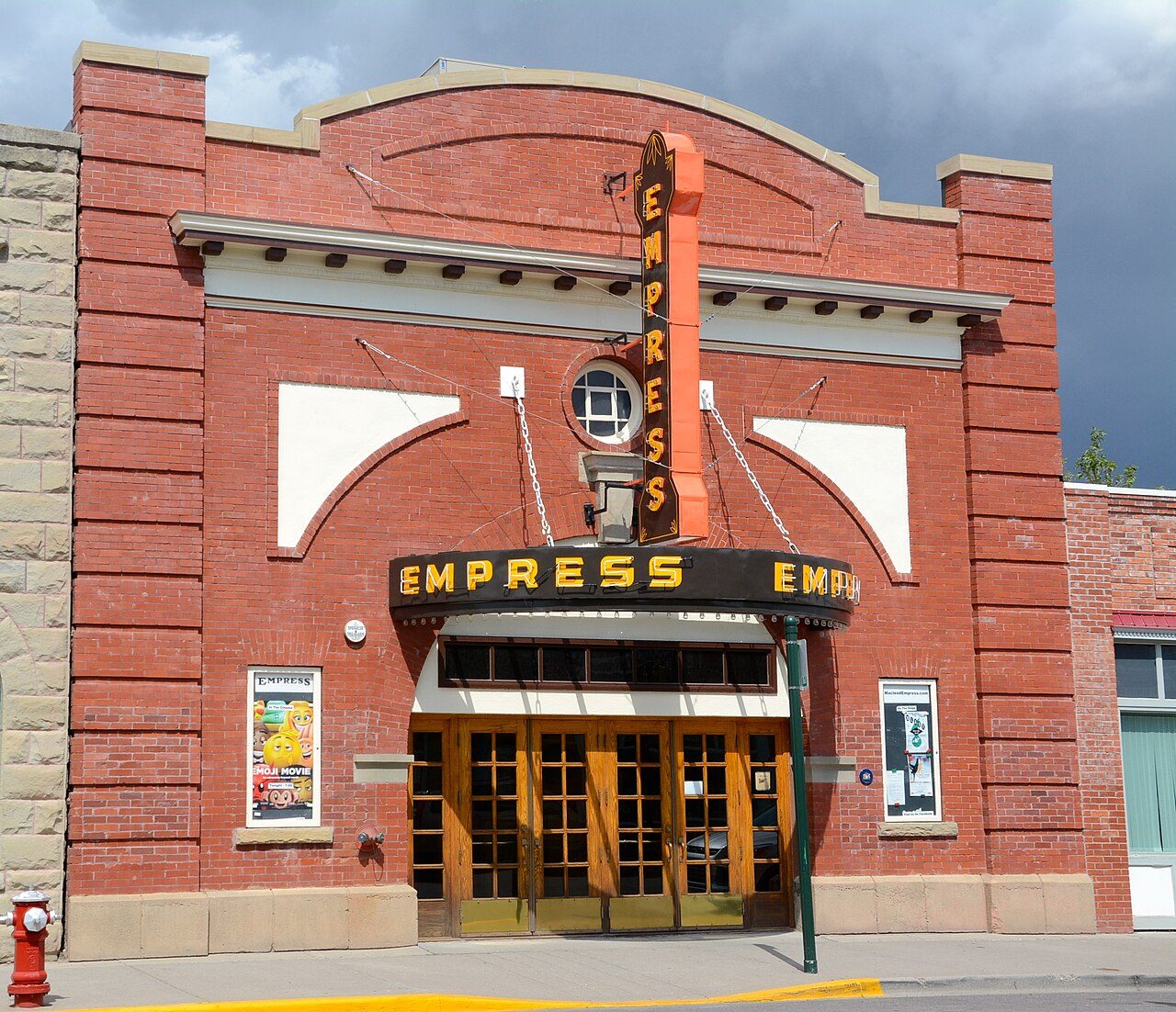
Historic Fort Macleod: 3 photos, 1 old pictures
The first two: Fort Macleod and Territorial Court House. 3 designated places in Fort Macleod have a photo. 2 of the top-tier places in Fort Macleod have a photo.
Photos from Wikimedia Commons, each credited to its photographer with its licence; names open the place’s page. Tap a photo to step through them full screen.
Through time
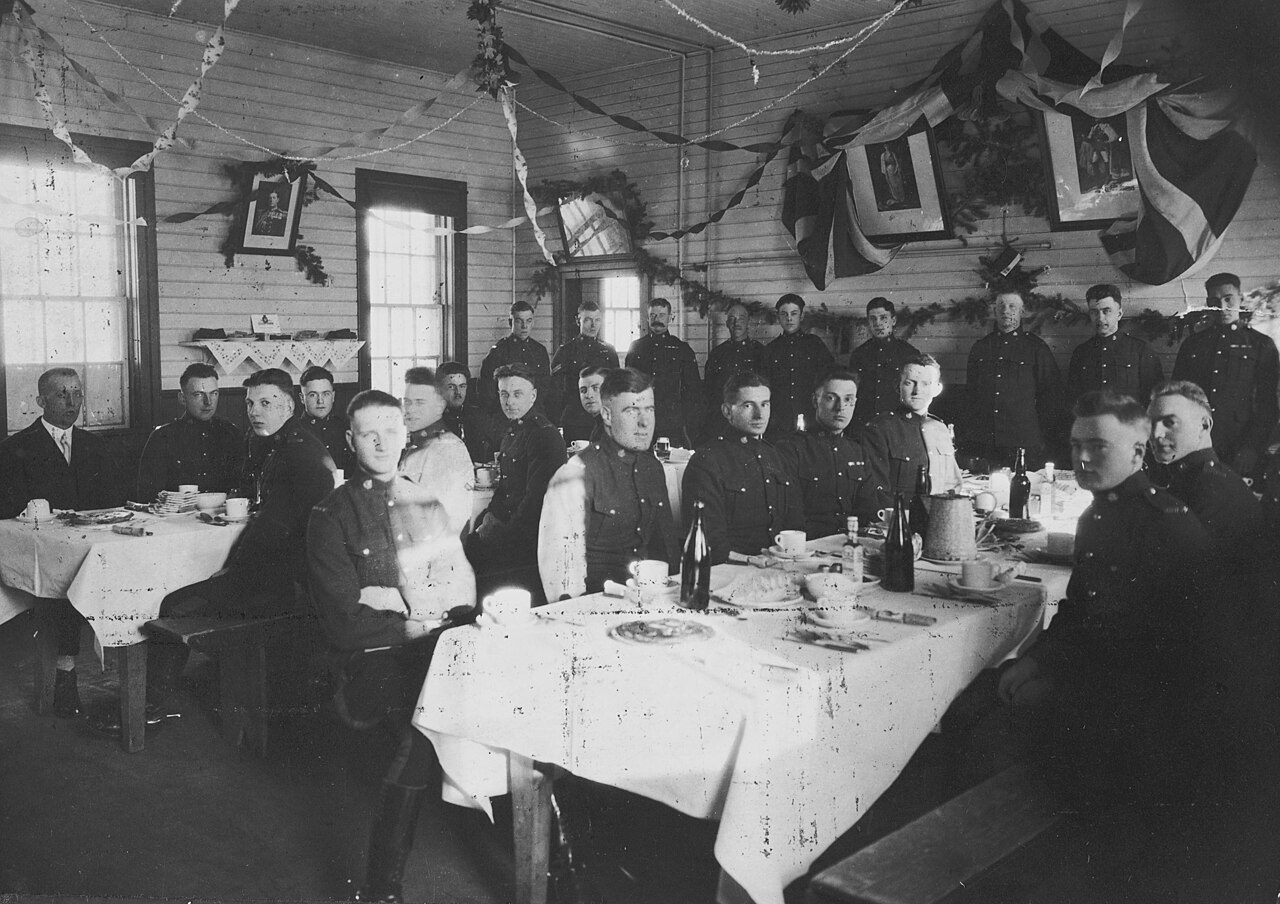
Old pictures of Fort Macleod
From before 1950 comes the oldest view of one of its historic places. Tap it to see it full screen.
Public domain or CC0, made before 1950, from Wikimedia Commons; old views of places can be drawings, prints or maps of their time. Each credit opens the image’s page.
How it began
From 1874: how Fort Macleod got started
Fort Macleod was founded in 1874. 152 years have passed since. The name Macleod lasted until 1913, when Fort Macleod took another.
Every place on the registers inside the town, by its designation.
Highest designationsProvincial and local listings
Names show on hover, and a tap takes you to the place’s page.
The 4, by tier
3 Highest designations1 Provincial and local listings
The federal directory kept by Parks Canada supplies most of these places; provincial and municipal lists outside Québec aren’t open data, so only the ones Wikidata documents with an article appear.
Points from Wikidata (Parks Canada’s files carry none) and from Québec’s register, as mapped there. One place, placed by its register’s municipality, has no point and isn’t on the map.
Highest designations
3 places in Fort Macleod with the highest designation
They date from 1874 (Fort Macleod) to 1902. National Historic Sites and Classified Federal Heritage Buildings, Canada’s highest federal recognition. The first was designated in 1923, the latest in 1981. Each one opens its own page.
New homes are rare in Fort Macleod: 2.3% from 2016–21, against a usual 4.1%
Over half of the homes in Fort Macleod were already standing by 1981. Building from 1961 to 1980 gave Fort Macleod 28% of its homes, near the usual 27%. 20% of Fort Macleod’s homes were built from 1981 to 2000, close to the typical town’s 23%.
33%
Before 1961
28%
1961–80
20%
1981–2000
17%
2001–15
2.3%
2016–21
Fort MacleodTypical town
2021 Census, private dwellings by period of construction (Statistics Canada); the typical town is the middle Canadian town of 2,500 or more.
Towns its size
Fort Macleod has the most of 16 towns its size
Towns of 3,900 to 4,000 residents, by places on the registers.
The middle one has 0. 13 of them have nothing on the registers.
In brief
Fort Macleod in brief
Counted by age, 33% of Fort Macleod’s homes predate 1961, against 18% in the typical town. Together that makes 4 historic places, 3 with the highest designation. Of the 16 towns closest in size, it has the most historic places. The rest is about typical: its past has lives on the record such as Archibald Hugh Mitchell (1903) and Howard Clark (1903); and the list grew between 1923 and 1981.
How to read these numbers
What this data can and can’t tell you
•
The tiers. National Historic Sites and the most protected buildings form the top tier; recognized federal buildings, stations and lighthouses the second; provincial and municipal listings the third.
•
Protection. A National Historic Site designation recognises significance; it doesn’t by itself protect a building the federal government doesn’t own. Legal protection comes from provincial and municipal designations, whose own registers aren’t open data outside Québec.
•
Provincial and municipal lists. Provincial and municipal listings here come from Wikidata alone, since the provinces’ own registers can’t be reused; a listing needs an encyclopedia article to get a page.
•
The federal register. Parks Canada’s Directory of Federal Heritage Designations lists every National Historic Site, federal heritage building, heritage railway station and lighthouse; the Canadian Register of Historic Places adds their statements in English and French.
•
The grade. History isn’t one of Canada’s graded pillars, so this page describes and compares without a letter.
•
Map points. Pins for federal places come from Wikidata rather than Parks Canada, which gives no points.
•
People and events. The open directory puts its national historic persons nowhere, so a town shows one only on firm ground: a birth there, matched by name and life years, or a historic place there named for the person whose record says so. Events are left out.
Questions about Fort Macleod’s history
Which places in Fort Macleod have the highest designation?
Fort Macleod, Territorial Court House and Head-Smashed-In Buffalo Jump.
How old are the homes in Fort Macleod?
33% of its homes were built before 1961, against 18% in the typical Canadian town.
What is the oldest building in Fort Macleod?
Fort Macleod, a National Historic Site, begun in 1874.
Why might a heritage building in Fort Macleod be missing here?
Provincial and municipal registers outside Québec aren’t open data. Wikidata knows 5 more listings in Fort Macleod, but without an open description or an encyclopedia article they get no page.
Contains information licensed under the Open Government Licence – Canada (Parks Canada).
Sources: Parks Canada, Directory of Federal Heritage Designations · Canadian Register of Historic Places (federal extract) · Wikidata (CC0) for map points, other names and articles · Statistics Canada, 2021 Census (homes by period of construction). Under the Statistics Canada Open Licence.


 1919
 Top
 Top
 Local