
ALMap-doton-Warrior, 2004
Warrior’s story
154 years in pictures
Census counts: 1,018 in 1900, a low of 568 in 1920, 3,224 in 2020. The archive holds 1 old photo or paper going back to 2004 and 3 maps from 1951 on.
- 1872Warrior is settled
Each edition grades its towns against each other only.
A town of 3,320, settled in 1872.
Warrior gives you more for your money than most places: homes are within reach, about $239K for a typical one, or 3.3 years of the Birmingham metro’s $71K median household income. It grades C overall, ranked 97th of 187 in Alabama. The low prices come with trade-offs. Residents are less healthy than 78% of U.S. towns on CDC estimates, and it reports more crime per resident than 77% of U.S. towns, including 29 violent crimes reported to the FBI in 2025. Warrior’s violent crime rate is 8.9 per 1,000 residents, where Alabama’s towns sit at 2.9 and U.S. towns at 1.6. On walkability, just 26 of Alabama’s 308 towns do better.
Where Warrior beats most towns.
Where Warrior’s working residents go each day. Line width shows the share.
Census LEHD 2023
Each subject compared with towns across the country (schools within Alabama), ordered by how far Warrior is from typical.
How TownRatings grades towns →
Census counts: 1,018 in 1900, a low of 568 in 1920, 3,224 in 2020. The archive holds 1 old photo or paper going back to 2004 and 3 maps from 1951 on.
Who provides power, water and the rest in Warrior, and how to reach them.
EPA SDWIS (Oct 9, 2026) · HIFLD + EIA-861 2025 · Census 2020 ZCTAs · NCES 2024–25 · registration: vote.gov, updated Nov 18, 2024.
Ordered by what stands out in Warrior.
Warrior trades lower home prices for longer drives to work and is healthier than towns with similar incomes, but it reports violent crime at about twice the Alabama rate.
Against the 8,187 U.S. towns with household incomes like Warrior’s, it is less healthy than 63%, so its C− isn’t only a matter of income. Within Alabama it is less healthy than 58% of the 187 graded towns: much of Alabama scores lower on these measures.
39% of adults feel lonely in Warrior. Warrior beats the Alabama average on 0 of 32 CDC measures and trails it on 2. 27% of adults have been diagnosed with depression in Warrior.
| Warrior | Alabama towns | U.S. towns | |
|---|---|---|---|
| Feel lonely (CDC PLACES) | 39% | 36% | 33% |
| Depression (CDC PLACES) | 27% | 24% | 23% |
| Smoke cigarettes (CDC PLACES) | 18% | 16% | 14% |
| Diabetes (CDC PLACES) | 15% | 15% | 12% |
| What stands out | Warrior | AL |
|---|---|---|
| More adults with COPD | 9.3% | 8% |
| More adults with depression | 26.5% | 23.3% |
CDC PLACES 2025 · modeled estimates for adults · CMS · HRSA
Its public schools are run by the Jefferson County school district. Its one school is below.
| School | Level | Students | Letter |
|---|---|---|---|
| Warrior Elementary SchoolLargest public elementary schoolGrades PK–5 | Grades PK–5 | 612 | B |
NCES · EDFacts · graded within AL on state tests and graduation
Violent crime runs at 8.9 per 1,000 residents, about twice the Alabama rate; the Safety Grade counts each violent crime four times, so this weighs most on its C−. Reported crimes rose from 15 to 82 over the last three FBI years, a rise beyond ordinary year-to-year swings.
Warrior reports more crime per resident than most U.S. towns we grade: about 77% report less. Within Alabama, it does better than 53% of towns.
FBI crime data, 2025 · crimes reported to police
Most working residents leave Warrior for work: only 6% work in town. 18% of Warrior residents live below the poverty line. Since 2013, Warrior has added 77 jobs, to 762 in 2023.
| Warrior | Alabama towns | U.S. towns | |
|---|---|---|---|
| Below the poverty line | 18% | 16% | 9.6% |
| Median household income | $58,000 | $62,000 | $80,000 |
| Working residents who work in town | 6.1% | 10% | 8% |
Census LEHD 2023 · ACS
Warrior has mild winters and warm summers, with plenty of rain. The July high in Warrior is 91°F.
NOAA U.S. Climate Normals, 1991–2020
Expected storm and flood damage is lower than in 65% of U.S. communities. One flood insurance claim has been paid in Warrior since 2003.
FEMA flood insurance claims · FEMA National Risk Index · OpenFEMA
Homes are within reach (about $239K for the typical one, A for cost of living), but half of working residents commute more than 21 miles.
Warrior’s median rent is $774 a month. The typical Warrior home is worth about $239,000, up 3.4% in a year, close to the Alabama typical home.
| Warrior | Alabama towns | U.S. towns | |
|---|---|---|---|
| Median rent | $774 a month | $943 a month | $1,185 a month |
| Households that own their home | 64% | 70% | 73% |
Census ACS, 2020–24 · Zillow Home Value Index · Redfin Data Center
Museums, parks, gardens and other places to visit around Warrior. Close and well known come first.
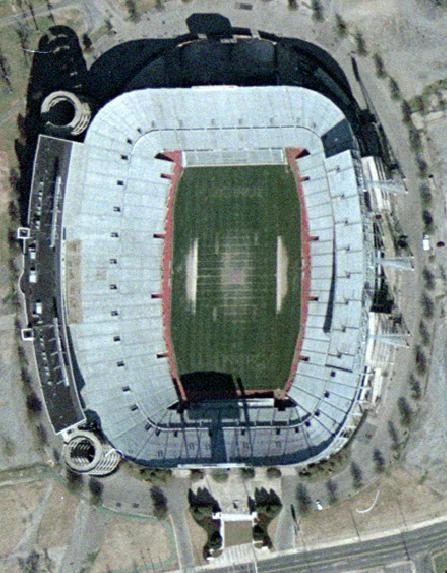 21 mi Stadium & arenaLegion Field
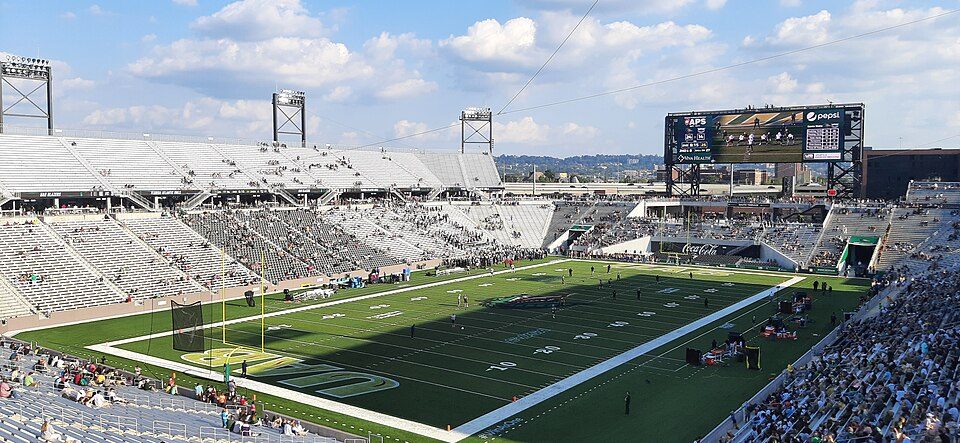 20 mi Stadium & arenaProtective Stadium19 mi LakeLewis Smith Lake
 20 mi MuseumSloss Furnaces
 20 mi Stadium & arenaLegacy Arena
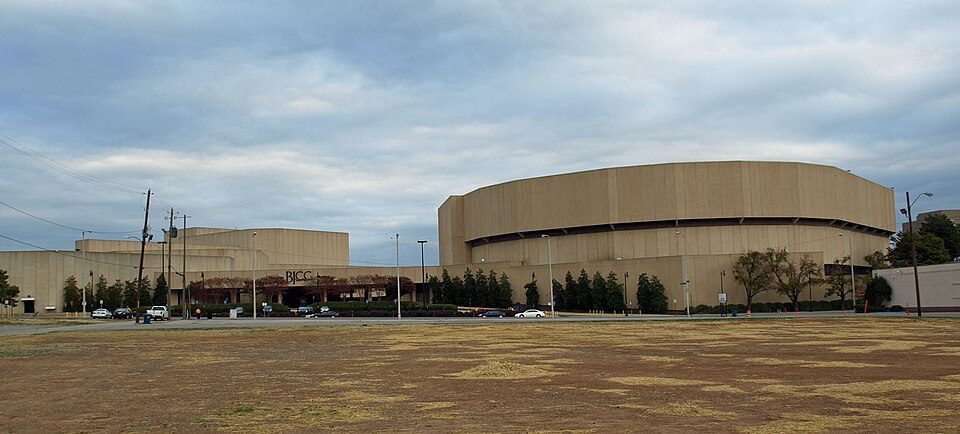 20 mi Stadium & arenaBirmingham–Jefferson Convention Complex
Legion Field: USGS, Public domain · Protective Stadium: Unknown, CC BY-SA 4.0 · Sloss Furnaces: DXR, CC BY-SA 4.0 · Legacy Arena: AuburnShuffle, CC0 · Birmingham–Jefferson Convention Complex: Chris Pruitt, CC BY-SA 3.0
1 within 15 miles of the center of Warrior
About 7 of every 100 Warrior residents are enrolled in college, about the same as Alabama.
City in Alabama, United States
Warrior is a city in Jefferson and Blount counties in the State of Alabama. At the 2020 census, the population was 3,224. It is a northern suburb of Birmingham.
From Wikipedia, licensed CC BY-SA 4.0 · facts via Wikidata (CC0)
2 towns share a border with Warrior.
Trafford isn’t graded (fewer than 1,000 residents, or not enough data). Compare Warrior with a neighbor →
Short answers, built from the data on this page.
Warrior grades C overall, better than 27% of U.S. towns and #97 of 187 in Alabama. It grades C− for health, C− for safety and C for schools. Health is its weak spot, with a C−.
Within Alabama, it does better than 53% of towns.
Not for the area. Cost of living, which also weighs rents, property taxes and how many households pay 30% or more of their income for housing, grades A.


