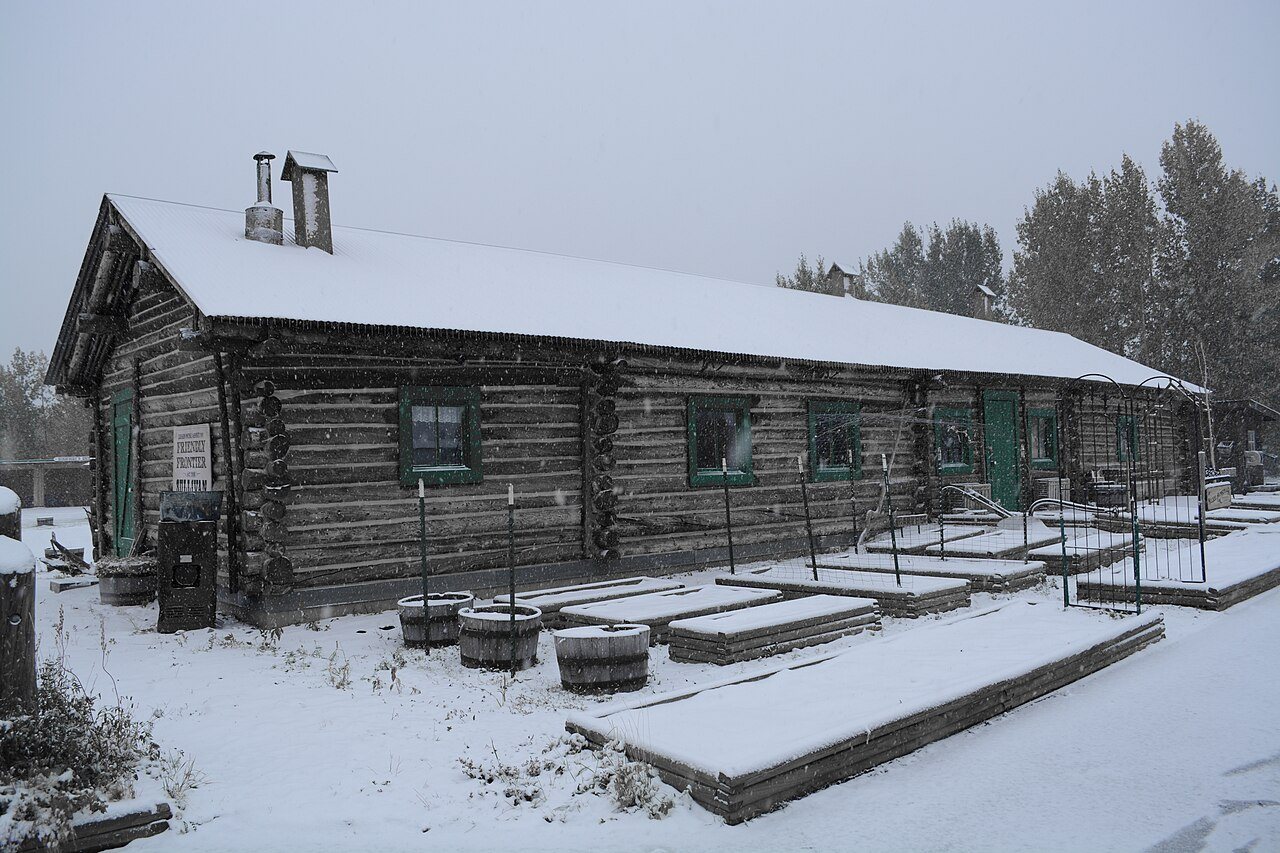
 Sullivan Roadhouse · Photo: Ovmalyk · CC BY-SA 3.0
Delta Junction’s library logs 43 visits per resident, against a typical 3.5 for libraries its size
Delta Community Library serves Delta Junction’s 978 residents. Last year it lent 44K books, movies and e-books and logged 42K visits.
What Delta Junction’s library is like
More library cards than residents
3,213 cards for 978 people. Cards held by people from outside the service area count too, so the total can pass the population. At the typical library serving under 2,500 people, it’s 54%. How it compares ↓
Delta Junction uses its library more than almost any town its size
Delta Community Library logs 43 visits per resident, against a typical 3.5 for libraries serving under 2,500 people, and lends 37 print items per resident against a typical 3.9. On both counts it beats 99% of similar-size libraries across the U.S. How it compares ↓
More than half the print loans are for kids
Children’s books and media are 61% of print loans, and kids’ borrowing per resident is higher than at 99% of similar-size libraries. That works out to about 73 items per child in Delta Junction last year. Kids & programs ↓
Programs are almost all for children
84% of the 197 programs last year were for ages 11 and under, including about 2.2 a week for ages 0–5. Kids & programs ↓
Big on e-books and audiobooks
Digital borrowing runs 8.1 e-items per resident, against a typical 1, higher than at 97% of similar-size libraries. It’s 18% of all loans. What people borrow ↓
This summary is written from the numbers on this page. Numbers are the library’s own report to the Public Libraries Survey, fiscal year 2024; in a town this small, one busy program or a few avid readers move the per-resident numbers.
What’s behind Delta Junction’s civic life grade
Delta Junction isn’t graded on civic life: TownRatings grades towns of 1,000 residents or more.
Civic life counts registered nonprofits, library visits and online volunteering groups, so it can miss civic life that runs through congregations, mutual aid or neighbors looking out for each other.
Library visits: IMLS Public Libraries Survey, FY2024. Nonprofits: IRS Exempt Organizations Business Master File, October 2026. Volunteering: Social Capital Atlas (Opportunity Insights), from data by Meta Platforms, Inc.; Chetty et al., Nature 2022. How TownRatings grades civic life →
About 3 kids’ programs a week
Story times, clubs, classes and events, by who they’re for.
Programs last year by age group
story times and programs a week for ages 0–5, on average.
children’s books and media borrowed per child under 18 in Delta Junction last year.
Ahead of most similar-size libraries on all 8 measures
Per resident, against libraries serving under 2,500 people across the U.S.
Delta Community Library serves 978 people, so it’s measured against U.S. libraries serving under 2,500.
Every hour the doors are open, about 18 items go out
Fiscal year 2024. The library’s own count.
More than half the print loans are kids’ books
44K loans last year: print, kids’ and digital.
Each of the 18K books and other items on the shelves went out about 2 times last year, on average.
7,877 e-books, e-audiobooks and streams last year. Borrow from home with your card, plus research databases: courses, journals, genealogy and more.
Find it
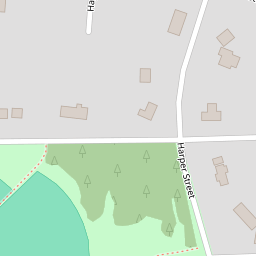
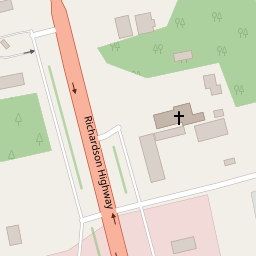
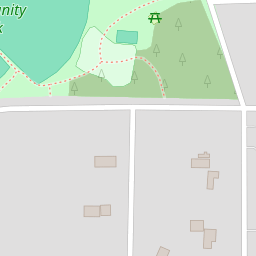
Delta Community Library, 2291 Deborah Street, Delta Junction.


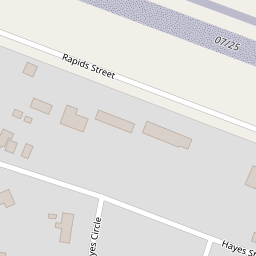

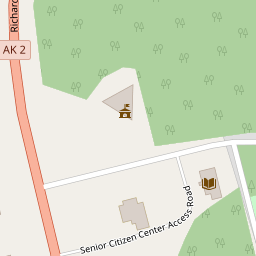



No late fees. E-books and audiobooks from home. Research databases: courses, journals, genealogy.
New in Delta Junction? The Handbook →Hours are the survey’s yearly average. Check the library’s own site for today’s hours.
For every $1 it spends, the library lends about $2.36 worth
Set what you’d borrow in a month. It starts at what the average Delta Junction cardholder borrows.
Typical for a library this size: $54. Operating budget $293K.
Last year the library lent and hosted about $690K worth of books, e-books, programs and Wi-Fi on a $293K budget.
Fine-free. No late fees on books returned late.
Retail prices are typical, rounded down: a new book $17, a kids’ book $12, an e-book or e-audiobook $15, a movie rental $4, a class or program $10, a computer or Wi-Fi session $3. The average cardholder’s month = the library’s yearly loans, attendance and Wi-Fi sessions ÷ its 3,213 cardholders ÷ 12.
Libraries next door
Who has a library of their own, and how much each town borrows. Tap a town to see its library.
Loans = print + digital items borrowed in the library’s fiscal year, per person it serves. — = no library of its own, a county or regional system (its numbers cover many towns), or no report. Civic life: — = not graded (unincorporated places, whose nonprofits can’t be placed by mailing address, or towns with fewer than two of the three inputs).
What this data can and can’t tell you
From the Public Libraries Survey, fiscal year 2024.
- Visits count everyone. Delta Junction’s 41,736 visits include people from nearby towns and summer visitors; the survey has no resident share.
Hours are the survey’s yearly average; libraries are compared with others serving about as many people. How TownRatings uses library figures →
Questions about the library and civic life in Delta Junction
Does Delta Junction have a public library?
Yes. Delta Community Library, 2291 Deborah Street, serves Delta Junction’s 978 residents (the survey’s count) and is open about 46 hours a week, averaged over the year.
Is Delta Community Library fine-free? Does it lend e-books?
Yes to both: no late fees, and e-books, audiobooks and research databases with a card (the library’s 2024 survey report).
How busy is Delta Junction’s library?
It logged 42.7 visits and lent 44.6 items per resident in 2024, against a typical 3.5 visits for libraries serving under 2,500 people.
What is Delta Junction’s civic life grade?
Delta Junction isn’t graded on civic life: TownRatings grades towns of 1,000 residents or more. How it works.
Book talk
Reading, story times and the library in Delta Junction.
Libraries: Institute of Museum and Library Services, Public Libraries Survey, fiscal year 2024. Each library reports its own numbers. Distances are straight-line from the town center. “What your card is worth” uses typical retail prices and is an estimate, not an official figure.