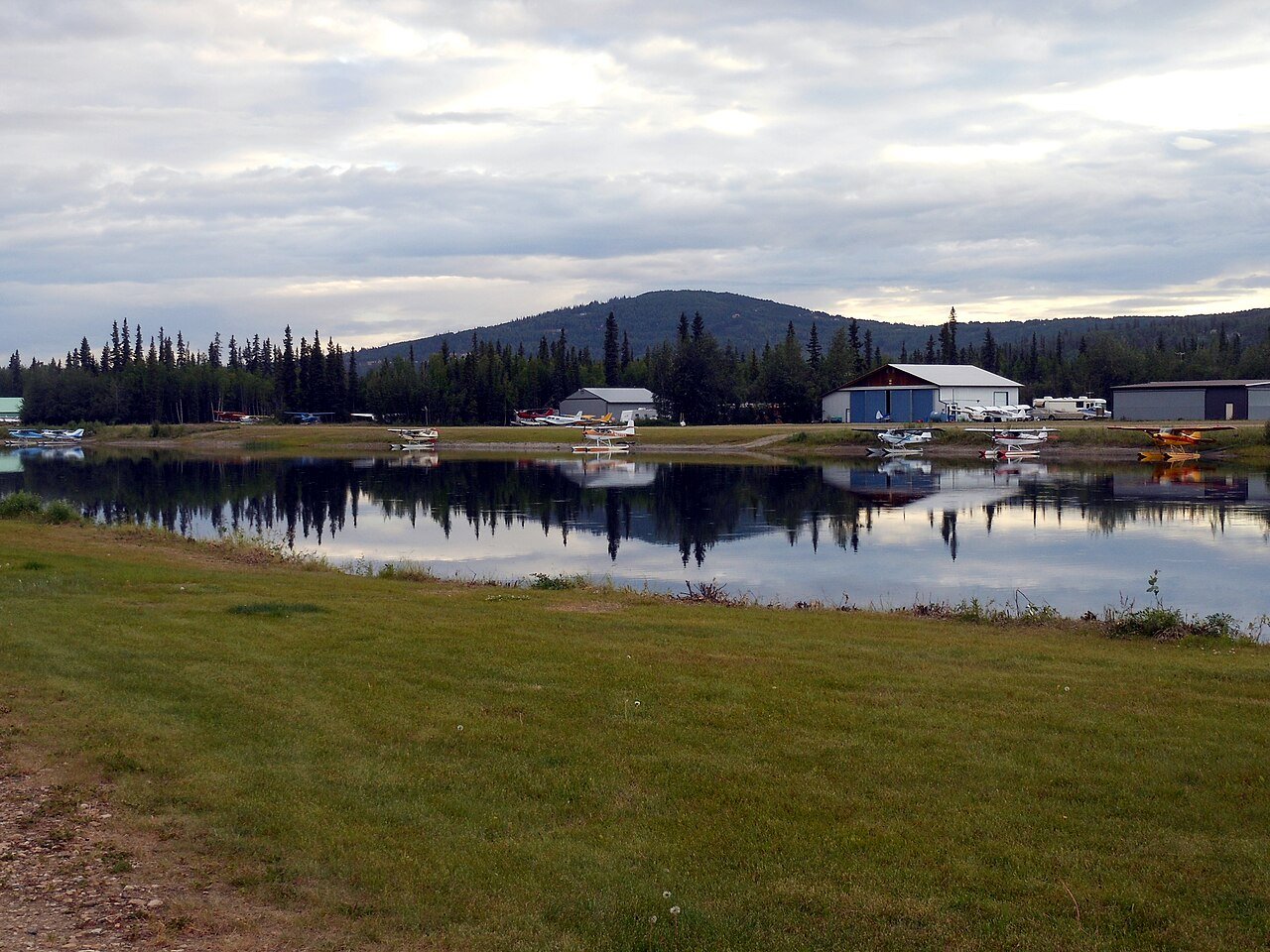
Chena Ridge in pictures
The archive holds 6 old photos and papers going back to 1973 and 4 maps from 1949 on.
2 places on the National Register of Historic Places.
Explore the history →Each edition grades its towns against each other only.

A town of 5,881.
Chena Ridge grades B− overall, ranked 15th of 41 in Alaska, with clear strengths and some subjects that lag. It is healthier than 91% of U.S. towns. On the other side, FEMA rates its natural-hazard risk higher than 78% of U.S. communities, with earthquakes at the top. Chena Ridge’s January low is -17°F, below both Alaska’s towns (7°F) and U.S. towns (22°F). The biggest place to walk is Tanana Valley State Forest, 6,855 acres with 36 miles of trail. Most errands need a car: it is less walkable than 81% of U.S. towns.
Where Chena Ridge beats most towns.
Each subject compared with towns across the country (schools within Alaska), ordered by how far Chena Ridge is from typical.
How TownRatings grades towns →
The archive holds 6 old photos and papers going back to 1973 and 4 maps from 1949 on.
2 places on the National Register of Historic Places.
Explore the history →Chena Ridge is unincorporated, so Fairbanks North Star Borough and regional agencies provide most services.
EPA SDWIS (Oct 9, 2026) · HIFLD + EIA-861 2025 · Census 2020 ZCTAs · NCES 2024–25 · registration: vote.gov, updated Sep 30, 2026.
Ordered by what stands out in Chena Ridge.
Chena Ridge is the healthiest town in Alaska, has a shorter frost-free season than nearly all U.S. towns and keeps more of its land conserved than most of Alaska.
Its 12,763 conserved acres are a larger share of the town than in 80% of Alaska towns.
Trails total 74 miles in 2 parks and preserves.
| Biggest places to walk | Trails | Acres |
|---|---|---|
| 1. Tanana Valley State Forest | 36 mi | 6,855 |
| 2. Bee Field | — | 1 |
Trails & parks © OpenStreetMap contributors · Conserved land: USGS PAD-US
It is the healthiest of the 41 Alaska towns we grade on the CDC estimates behind the Health Grade. Its widest gap with Alaska is tooth loss: 6.9% of those 65+ have lost all their teeth, against 13.5% statewide.
18% of Chena Ridge adults get no exercise outside work. No town among the 41 in Alaska we compare has a lower share of adults who smoke cigarettes than Chena Ridge. Among adults in the town, 11% report frequent physical distress and 14% report frequent mental distress.
| Chena Ridge | Alaska towns | U.S. towns | |
|---|---|---|---|
| Yearly checkup (CDC PLACES) | 68% | 68% | 79% |
| Frequent physical distress (CDC PLACES) | 11% | 13% | 14% |
| Frequent mental distress (CDC PLACES) | 14% | 16% | 17% |
| Fair or poor health (CDC PLACES) | 13% | 18% | 19% |
| What stands out | Chena Ridge | AK |
|---|---|---|
| Fewer older adults who have lost all their teeth | 6.9% | 13.5% |
| Fewer adults facing food insecurity | 7.4% | 14.3% |
CDC PLACES 2025 · modeled estimates for adults · CMS · HRSA
Flood insurance has paid out on 42 claims in Chena Ridge since 1991. 43% of the town’s expected losses from natural hazards come from earthquakes, followed by cold waves at 26%.
FEMA flood insurance claims · FEMA National Risk Index · OpenFEMA
The Fairbanks Intl Ap weather station, 5 miles away, records that the frost-free season runs about 121 days, shorter than in 97% of U.S. towns. January nights average -17.2°, colder than in 100% of U.S. towns; July afternoons average 72.7°.
The town’s midsummer high stands at 73°F. About 65 inches of snow falls in a winter.
NOAA U.S. Climate Normals, 1991–2020
Among 41 Alaska towns, just 4 have a lower rent at the middle of the market than Chena Ridge. For households here, the share who own their home is 76%.
| Chena Ridge | Alaska towns | U.S. towns | |
|---|---|---|---|
| Median rent | $1,110 a month | $1,412 a month | $1,185 a month |
| Households that own their home | 76% | 68% | 73% |
Census ACS, 2020–24 · Zillow Home Value Index · Redfin Data Center
Museums, parks, gardens and other places to visit around Chena Ridge. Close and well known come first.
8 mi Park & preservePioneer Park
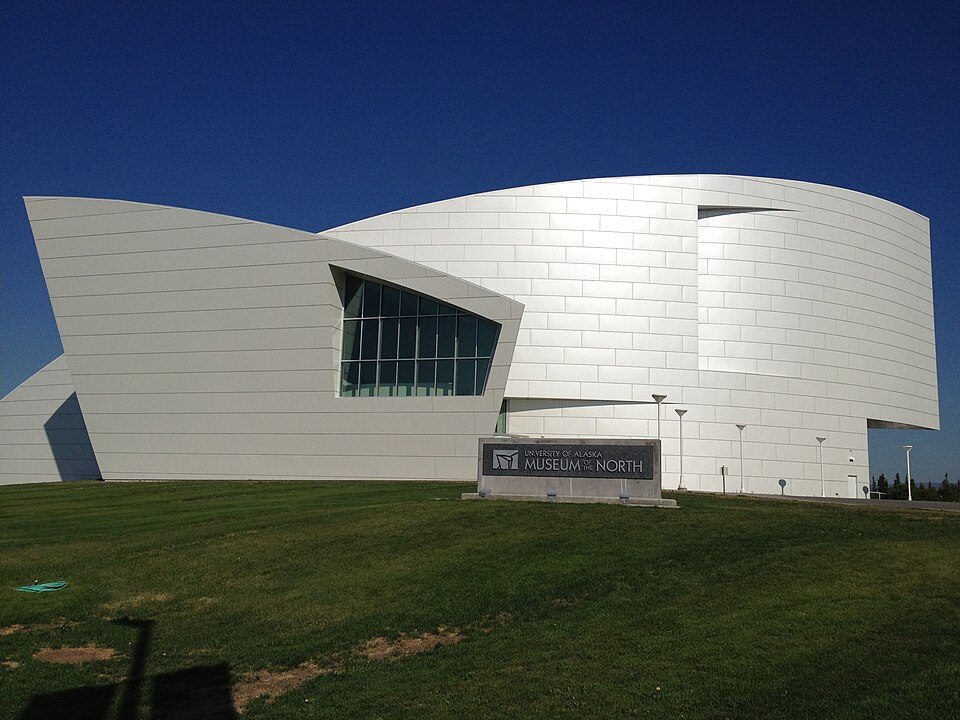
7 mi MuseumUniversity of Alaska Museum of the North11 mi Ski areaMoose Mountain Ski Resort98 runs · 1,311 ft vertical25 mi Ski areaSki Land (Mt Aurora)45 runs · 1,084 ft vertical
35 mi MuseumNenana Depot
7 mi GardenGeorgeson Botanical GardenPioneer Park: Enrico Blasutto, CC BY-SA 4.0 · University of Alaska Museum of the North: Maureen amerune, CC BY 2.0 · Nenana Depot: JERRYE & ROY KLOTZ MD, CC BY-SA 3.0 · Georgeson Botanical Garden: Abalg, CC BY-SA 4.0
1 within 15 miles of the center of Chena Ridge
About 3 of every 100 Chena Ridge residents are enrolled in college, against 5 across Alaska.
CDP in Alaska, United States
Chena Ridge (Lower Tanana: Khotughee'oden) is a census-designated place (CDP) in Fairbanks North Star Borough, Alaska, United States. It is the location of the former city (1903–73) of Chena, now a ghost town that once rivaled nearby Fairbanks in importance. One of the new CDPs created in 2010 in Alaska, Chena Ridge is now a western suburb of Fairbanks, located between the George Parks Highway and the Tanana River. As of the 2020 Census, the population was 6,015, up from 5,791 in 2010. Chena Ridge is the ninth-most populated CDP in Alaska.
From Wikipedia, licensed CC BY-SA 4.0 · facts via Wikidata (CC0)
3 towns share a border with Chena Ridge.
| Town | AK rank | Overall | Cost | Safety | Schools | Health |
|---|---|---|---|---|---|---|
| Chena Ridge | #15 | B− | C+ | — | B | A |
| Ester | #25 | C+ | B− | — | B | A |
| College | #13 | B | C | — | B | A− |
| South Van Horn | — | — | — | — | — | — |
Chena Ridge, Ester and College report no FBI crime data of their own. South Van Horn isn’t graded (fewer than 1,000 residents, or not enough data). Compare Chena Ridge with a neighbor →
Short answers, built from the data on this page.
Chena Ridge grades B− overall, better than 55% of U.S. towns and #15 of 41 in Alaska. It grades A for health and B for schools. Hazard risk is its weak spot, with a C−.
The typical home is worth about $396,000, 1% below the Alaska typical home. Cost of living, which also weighs rents, property taxes and how many households pay 30% or more of their income for housing, grades C+.