The Faraday Effect
The Faraday Effect is a science museum. It stands inside Tower Hamlets’ built-up area. Nearby, Tower of London (5.9 km) heads a list of 559 within 15 km.
Museum in Tower Hamlets
Inside Tower Hamlets
The Faraday Effect is inside Tower Hamlets’ built-up area, with 54 more places to visit within 5 km. Towns near it ↓
Written from OpenStreetMap, Wikidata, the ONS built-up areas and Met Office 1991–2020 averages.
Which month to go
May to September are the warmest in Tower Hamlets, with afternoon highs of 19–24°C.
The Faraday Effect
Museum: science.
In Tower Hamlets, inside the town’s built-up area.
- Type
- Museum
- Town
- in Tower Hamlets
- Official site
- trinitybuoywharf.com/whats-on/the-faraday-effect
Mapping The Faraday Effect
Numbered points are the places near The Faraday Effect, which is in orange.
© OpenStreetMap contributors · The dashed line is Tower Hamlets’ built-up area. · ONS built-up area 2022
Towns that list The Faraday Effect
Newham tops the 7 for size, at 351,065 people. The list runs from its own town outward.
Tower Hamlets
Newham
Greenwich
Southwark
Compare the 7 towns
| Town | Where The Faraday Effect is | People | Places to visit |
|---|---|---|---|
| Tower Hamlets | It’s in town | 311,072 | 430 |
| Newham | 100 m northeast of it | 351,065 | 133 |
| Greenwich | 400 m southeast of it | 288,117 | 125 |
| Southwark | 2.8 km southwest of it | 307,076 | 471 |
| Lewisham | 3.2 km south of it | 300,764 | 218 |
| Hackney | 4.4 km northwest of it | 258,464 | 407 |
| Waltham Forest | 4.8 km north of it | 278,129 | 73 |
What else is near The Faraday Effect
Nearby, 559 places within 15 km include 3 museums, 2 cathedrals and a castle.
 Big drawCastleTower of London5.9 km away · 2.7M visitors a year (2016)2
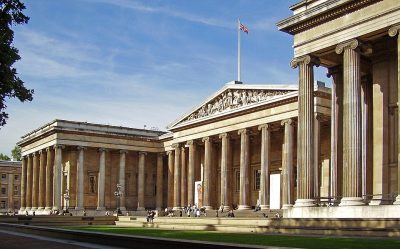 Big drawMuseumBritish Museum9.4 km away · 5.8M visitors a year (2023)3MuseumMuseumRoyal Observatory Greenwich3.4 km away4
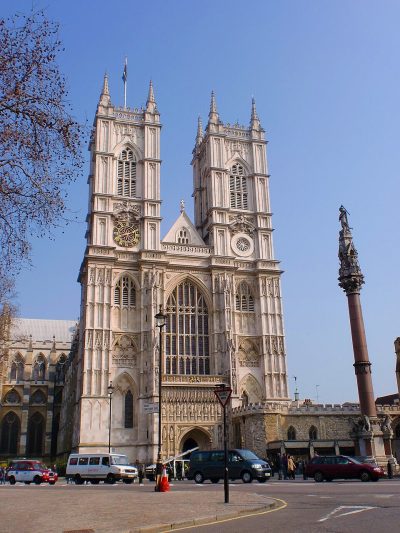 Cathedral · English HeritageWestminster Abbey9.4 km away5
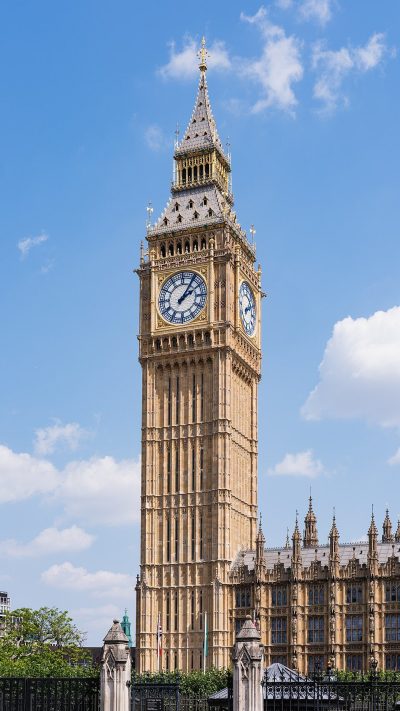 AttractionElizabeth Tower9.2 km away6
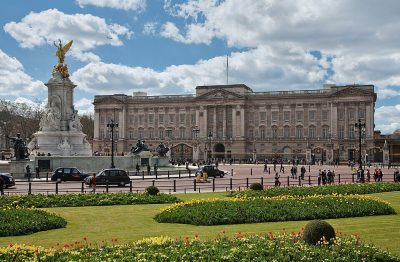 Historic houseBuckingham Palace10 km away7
 CathedralSt Paul's Cathedral7.4 km away8
 Big drawMuseumNational Maritime Museum3.1 km away · 2.4M visitors a year
Within 15 km, close and well known first. Numbers match the map.
Questions about The Faraday Effect
Where is The Faraday Effect?
The Faraday Effect is in Tower Hamlets, London, inside the town’s built-up area.
What is The Faraday Effect?
Museum: science.
When is the best time to visit The Faraday Effect?
May to September are the warmest months in Tower Hamlets, with afternoon highs of 19–24°C (Met Office 1991–2020 averages).
What else is there to see near The Faraday Effect?
Within 15 km: Tower of London (5.9 km), British Museum (9.4 km), Royal Observatory Greenwich (3.4 km) and Westminster Abbey (9.4 km).
Places: OpenStreetMap (© OpenStreetMap contributors, Open Database Licence) and Wikidata (CC0), placed in the ONS 2022 built-up area (Open Government Licence v3.0). Visitor counts are the latest Wikidata gives, with their year.
Photos: each place’s Wikidata image, from Wikimedia Commons under the licence below (our copy, resized).
Photo credits (7)
- Tower of London: Bob Collowan, CC BY-SA 3.0, Wikimedia Commons
- British Museum: Ham, CC BY-SA 3.0, Wikimedia Commons
- Westminster Abbey: Σπάρτακος, CC BY-SA 3.0, Wikimedia Commons
- Elizabeth Tower: Christian David, CC BY-SA 4.0, Wikimedia Commons
- Buckingham Palace: Diliff, CC BY-SA 3.0, Wikimedia Commons
- St Paul's Cathedral: Mark Fosh, CC BY 2.0, Wikimedia Commons
- National Maritime Museum: Katie Chan, CC BY-SA 3.0, Wikimedia Commons
Contains public sector information licensed under the Open Government Licence v3.0. Contains HM Land Registry data © Crown copyright and database right 2026. Contains OS data © Crown copyright and database right 2026 (ONS boundaries). Northern Ireland: Source: NISRA; contains Land & Property Services data and Ordnance Survey of Northern Ireland information, © Crown copyright, licensed under the Open Government Licence v3.0. Scotland: contains National Records of Scotland data, Registers of Scotland data and SEPA data, © Crown copyright / © SEPA 2025, licensed under the Open Government Licence v3.0.